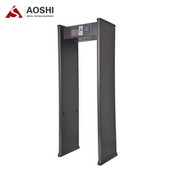


In the manufacturing process of bags, shoes, and hats, the use of metal tools such as sewing needles is inevitable, but once these metal tools are left inside the shoes, it will seriously endanger the safety of consumers. The application of needle testing machines can ensure that products do not contain any metal foreign objects, thereby ensuring product quality.
Many countries have strict metal foreign object detection requirements for imported footwear products. By using a needle inspection machine, products can be ensured to meet export standards and avoid being stuck or returned at customs.
Using a needle testing machine for metal foreign object detection can reflect the company's emphasis on product quality and concern for consumer safety, thereby enhancing brand image and consumer trust.


How to choose and use a needle testing machine?
Choose a suitable needle inspection machine: According to the actual needs of the luggage, shoe, and hat industry, a luggage needle inspection machine with high detection accuracy and stability should be selected. First level needle inspection machines usually have high detection accuracy and stability, and are suitable for occasions with high requirements for metal impurities, such as the footwear industry.
Proper use of needle testing machine: When using the needle testing machine, follow the instructions and operating procedures to ensure that the instrument is in the best working condition. At the same time, the needle testing machine should be calibrated and maintained regularly to ensure its accuracy and reliability.
Training operators: The operation of the shoe and hat needle inspection machine requires certain professional knowledge and skills, so specialized training should be provided to operators to familiarize them with the performance, operation methods, and precautions of the instrument.