

Operating a weight sorter machine efficiently requires a blend of technical know - how and hands - on skills. As a weight sorter machine supplier, I've seen firsthand the importance of proper training for those who are going to work with these machines. In this blog, I'll break down the key types of training needed to operate a weight sorter machine effectively.
1. Basic Machine Familiarization
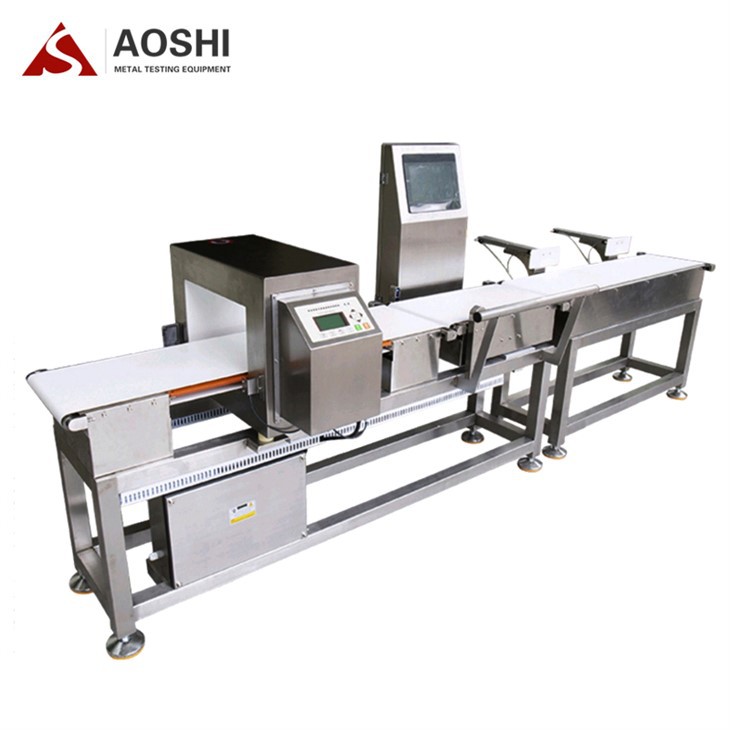
Before you can start sorting weights, you gotta know your machine inside out. This means understanding the physical components of the weight sorter. You need to be able to identify parts like the conveyor belts, weighing sensors, and the control panel.
The conveyor belts are the workhorses that move the products through the sorting process. You should learn how to adjust the speed of the conveyor to match the type of product you're weighing. For example, if you're sorting small, lightweight items, a slower conveyor speed might be necessary to ensure accurate weighing.
The weighing sensors are the heart of the machine. They measure the weight of each item passing through. You need to know how these sensors work, how to calibrate them, and what to do if they start giving inaccurate readings. Calibration is crucial because even a small error in weighing can lead to big problems in the sorting process.
The control panel is where you'll be making most of your adjustments. It's like the cockpit of an airplane. You'll learn how to set the weight limits for different sorting categories, how to start and stop the machine, and how to access the machine's diagnostic information.
2. Safety Training
Safety should always be a top priority when operating any industrial machine, and weight sorter machines are no exception. You need to learn about the potential hazards associated with the machine and how to avoid them.
One of the main hazards is getting your fingers or clothing caught in the moving parts, like the conveyor belts or the sorting mechanisms. You'll be trained on how to use the safety guards properly and how to shut down the machine in case of an emergency.
Another important aspect of safety training is learning about the electrical hazards. Weight sorter machines are powered by electricity, and if you're not careful, you could get an electric shock. You'll learn how to handle electrical cords safely, how to identify signs of electrical problems, and what to do if there's an electrical fire.
3. Software and Programming Training
Most modern weight sorter machines come with advanced software that allows you to customize the sorting process. You'll need to learn how to use this software to set up different sorting programs.
For example, you can create programs that sort products based on different weight ranges. You might have a program for sorting products that weigh between 100 and 200 grams, and another program for products that weigh between 200 and 300 grams. You'll learn how to input these weight ranges into the software, how to save and recall different programs, and how to make changes to the programs as needed.
The software also provides valuable data about the sorting process. You can view statistics like the number of products sorted, the average weight of the products, and the number of products that fall outside the specified weight ranges. You'll learn how to analyze this data to identify trends and make improvements to the sorting process.
4. Maintenance and Troubleshooting Training
A well - maintained weight sorter machine will perform better and last longer. You'll need to learn how to perform basic maintenance tasks like cleaning the machine, lubricating the moving parts, and replacing worn - out components.
Cleaning is important because dirt and debris can build up on the weighing sensors and the conveyor belts, which can affect the accuracy of the machine. You'll learn how to use the right cleaning agents and tools to clean the machine without damaging it.
Lubricating the moving parts helps to reduce friction and wear. You'll learn which parts need to be lubricated, what type of lubricant to use, and how often to lubricate them.
When something goes wrong with the machine, you'll need to be able to troubleshoot the problem. You'll learn how to identify common problems like sensor malfunctions, conveyor belt jams, and software glitches. You'll also learn how to use the machine's diagnostic tools to find the root cause of the problem and how to fix it.

5. Product - Specific Training
Different products have different characteristics, and you'll need to learn how to adjust the weight sorter machine to handle these differences.
For example, if you're sorting food products, you'll need to be aware of food safety regulations. You'll learn how to clean the machine to prevent cross - contamination between different food products. You'll also learn how to adjust the weighing settings to account for the moisture content of the food, which can affect the weight.
If you're sorting electronic components, you'll need to be careful not to damage the delicate parts. You'll learn how to adjust the conveyor speed and the sorting mechanism to handle the components gently.
Some Related Machines
If you're interested in other related machines, we also offer some great options. Check out our Metal Detector Online Weighing Machine Combined Machine, which combines the functions of a metal detector and an online weighing machine. It's perfect for industries where you need to detect metal contaminants while weighing products.
We also have the Automatic Food Weight Checker, which is specifically designed for the food industry. It can accurately check the weight of food products and ensure that they meet the required standards.
And for those who need a more specialized weighing solution, our Drop Type Automatic Weighing Machine is a great choice. It's ideal for weighing products that are dropped into a container or a package.
Conclusion
Operating a weight sorter machine is not as simple as just pushing a button. It requires a comprehensive training program that covers machine familiarization, safety, software and programming, maintenance and troubleshooting, and product - specific knowledge. If you're in the market for a weight sorter machine and need help with training or have any questions about our products, don't hesitate to reach out. We're here to make sure you get the most out of your weight sorter machine and that your sorting process runs smoothly.
References
- Industrial Machine Training Manuals
- Safety Guidelines for Weight Sorter Machines
- Product - Specific Industry Standards and Regulations