

In the food processing industries, ensuring product safety and quality is of paramount importance. The implementation of advanced technologies and equipment plays a crucial role in achieving these goals. One such technology that has gained attention is the thermometric gate. As a thermometric gate supplier, I am often asked whether a thermometric gate can be used in food processing industries. In this blog post, I will explore this question in detail, discussing the potential applications, benefits, and limitations of thermometric gates in food processing.
Understanding Thermometric Gates
A thermometric gate is a device that measures the temperature of objects passing through it. It typically consists of sensors that detect the infrared radiation emitted by the object and convert it into a temperature reading. Thermometric gates are commonly used in various industries, such as security screening, where they can detect elevated body temperatures, indicating potential illness. In the context of food processing, thermometric gates can be used to monitor the temperature of food products as they move along the production line.
Potential Applications in Food Processing
Temperature Monitoring during Production
One of the primary applications of thermometric gates in food processing is temperature monitoring during production. Maintaining the correct temperature is essential for food safety and quality. For example, in the meat processing industry, it is crucial to keep the meat at a specific temperature range to prevent the growth of harmful bacteria. Thermometric gates can be installed at key points in the production line, such as after cooking, cooling, or storage, to ensure that the food products are within the desired temperature range.
Cold Chain Management
The cold chain is a critical aspect of food processing, especially for perishable products. It involves maintaining a continuous temperature-controlled environment from the point of production to the point of consumption. Thermometric gates can be used to monitor the temperature of food products as they are loaded onto trucks, transported, and unloaded at distribution centers or retail stores. By ensuring that the temperature remains within the specified range throughout the cold chain, thermometric gates can help prevent spoilage and ensure the safety of the food products.
Hygiene and Sanitation
Temperature can also play a role in maintaining hygiene and sanitation in food processing facilities. For instance, high temperatures can promote the growth of bacteria and other microorganisms. Thermometric gates can be used to monitor the temperature of equipment, surfaces, and even the air in the processing area. By detecting any abnormal temperature increases, operators can take immediate action to prevent the spread of contaminants and maintain a clean and safe working environment.
Benefits of Using Thermometric Gates in Food Processing
Improved Food Safety
One of the most significant benefits of using thermometric gates in food processing is improved food safety. By continuously monitoring the temperature of food products, thermometric gates can help detect any potential issues early on, such as improper cooking or cooling. This allows for timely corrective actions to be taken, reducing the risk of foodborne illnesses and ensuring that the food products meet the required safety standards.
Enhanced Quality Control
Temperature is a critical factor in determining the quality of food products. For example, overcooking or undercooking can affect the texture, flavor, and nutritional value of the food. Thermometric gates can help ensure that the food products are cooked and processed at the optimal temperature, resulting in consistent quality and improved customer satisfaction.
Increased Efficiency
Thermometric gates can also improve the efficiency of food processing operations. By providing real-time temperature data, operators can make informed decisions about production processes, such as adjusting cooking times or cooling rates. This can help reduce waste, increase productivity, and lower production costs.
Compliance with Regulations
The food processing industry is subject to strict regulations regarding food safety and quality. Using thermometric gates can help food processing companies comply with these regulations by providing accurate and reliable temperature monitoring. This can help avoid costly fines and legal issues, as well as protect the reputation of the company.
Limitations of Thermometric Gates in Food Processing
Accuracy and Precision
While thermometric gates are generally accurate, their performance can be affected by various factors, such as the distance between the object and the sensor, the surface properties of the object, and the ambient temperature. In some cases, the temperature readings may not be precise enough to detect small temperature variations, which can be critical in certain food processing applications.

Cost
Thermometric gates can be relatively expensive to purchase and install, especially for small and medium-sized food processing companies. In addition, there may be ongoing costs associated with maintenance, calibration, and replacement of sensors. These costs need to be carefully considered when evaluating the feasibility of using thermometric gates in food processing.
Compatibility with Existing Equipment
Integrating thermometric gates into existing food processing equipment and systems can be challenging. The gates need to be compatible with the production line layout, conveyor systems, and other equipment. In some cases, modifications may be required to ensure proper installation and operation, which can add to the overall cost and complexity of the project.
Comparison with Other Detection Technologies
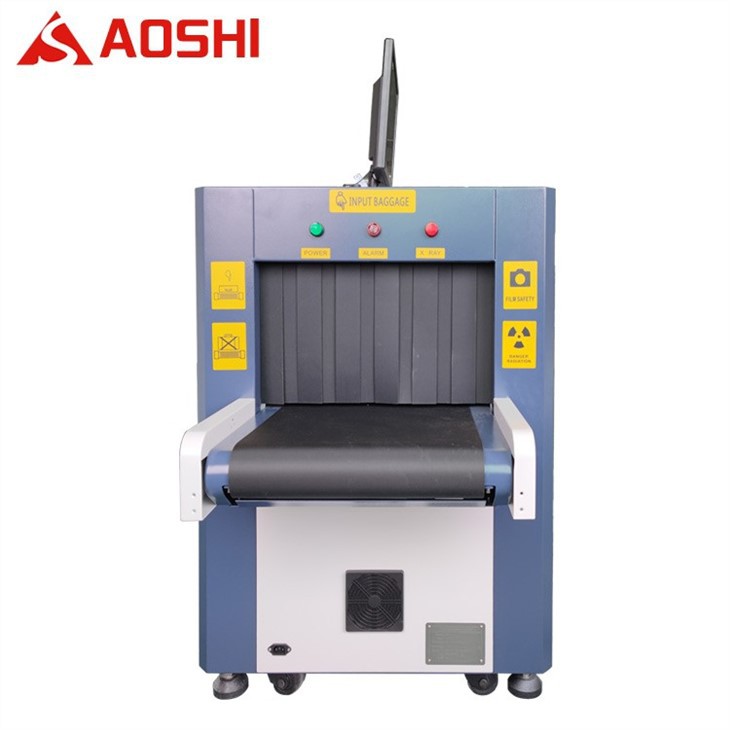
In addition to thermometric gates, there are other detection technologies available for food processing industries, such as Baggage Screening X-ray Machines, X-ray Foreign Body Detector, and Hand Held Iron Detector. Each technology has its own advantages and limitations, and the choice of technology depends on the specific requirements of the food processing application.
X-ray Machines
X-ray machines are commonly used for detecting foreign objects, such as metal, glass, or plastic, in food products. They can provide detailed images of the internal structure of the food products, allowing for the detection of even small foreign objects. However, X-ray machines are not designed for temperature monitoring and may not be suitable for applications where temperature control is the primary concern.
Metal Detectors
Metal detectors are used to detect the presence of metal contaminants in food products. They are relatively simple and cost-effective to use, but they can only detect metal objects and may not be able to detect other types of foreign objects. Metal detectors also do not provide temperature information.
Thermometric Gates
Thermometric gates, on the other hand, are specifically designed for temperature monitoring. They can provide real-time temperature data for food products as they pass through the gate, allowing for immediate action to be taken if the temperature is outside the desired range. While thermometric gates may not be able to detect foreign objects, they can be used in conjunction with other detection technologies to provide comprehensive food safety and quality control.
Conclusion
In conclusion, thermometric gates can be a valuable tool in food processing industries. They offer several benefits, including improved food safety, enhanced quality control, increased efficiency, and compliance with regulations. However, they also have some limitations, such as accuracy and precision issues, cost, and compatibility with existing equipment. When considering the use of thermometric gates in food processing, it is important to carefully evaluate the specific requirements of the application, compare the different detection technologies available, and weigh the benefits against the limitations.
If you are interested in learning more about thermometric gates and how they can be used in your food processing operations, I encourage you to contact us for a consultation. Our team of experts can provide you with detailed information, answer your questions, and help you determine the best solution for your specific needs. Let's work together to ensure the safety and quality of your food products.
References
- Food and Agriculture Organization of the United Nations. (2023). Food safety and quality control in the food processing industry.
- International Organization for Standardization. (2023). ISO standards for food safety management systems.
- World Health Organization. (2023). Guidelines for food safety and hygiene in food processing.