

As a supplier of Footwear Metal Testers, I often get asked about the lifespan of these essential machines. Understanding the lifespan of a Footwear Metal Tester is crucial for businesses in the footwear industry, as it helps in planning for maintenance, replacement, and overall budgeting. In this blog, I will delve into the factors that influence the lifespan of a Footwear Metal Tester, provide some general estimates, and discuss how to extend its useful life.
Factors Affecting the Lifespan of a Footwear Metal Tester
Quality of Manufacturing
The quality of manufacturing is one of the most significant factors that determine the lifespan of a Footwear Metal Tester. Testers made from high - quality materials and with precision manufacturing processes are likely to last longer. For example, a tester with a well - built frame, high - grade electronic components, and a robust sensor system will be more durable and less prone to breakdowns. At our company, we take pride in using only the best materials and state - of - the - art manufacturing techniques to ensure the longevity of our Footwear Metal Testers.
Frequency of Use
The more frequently a Footwear Metal Tester is used, the shorter its lifespan is likely to be. In high - volume production facilities where the tester is in constant use throughout the day, the wear and tear on the machine will be more significant. Components such as the conveyor belt, sensors, and control panels will experience more stress and may need to be replaced more frequently. On the other hand, in smaller workshops with less frequent use, the tester may last much longer.
Operating Conditions
The operating conditions also play a vital role in determining the lifespan of a Footwear Metal Tester. If the tester is used in a harsh environment with high humidity, dust, or extreme temperatures, it can cause damage to the electronic components and mechanical parts. For instance, excessive moisture can lead to corrosion of the metal parts, while dust can clog the sensors and affect their performance. It is essential to ensure that the tester is installed in a clean, dry, and well - ventilated area to minimize the impact of these environmental factors.
Maintenance and Care
Proper maintenance and care can significantly extend the lifespan of a Footwear Metal Tester. Regular cleaning of the machine, calibration of the sensors, and inspection of the mechanical parts can help identify and address potential issues before they become major problems. For example, cleaning the conveyor belt to remove any debris or dirt can prevent it from wearing out prematurely. Additionally, following the manufacturer's recommended maintenance schedule and using genuine replacement parts can ensure the optimal performance of the tester over its lifespan.
General Estimates of the Lifespan
On average, a well - maintained Footwear Metal Tester can last between 5 to 10 years. However, this is just a rough estimate, and the actual lifespan can vary depending on the factors mentioned above. In some cases, with excellent manufacturing quality, minimal use, and proper maintenance, a tester can last even longer. Conversely, in a high - stress environment with heavy use and poor maintenance, the lifespan may be significantly shorter.
How to Extend the Lifespan of a Footwear Metal Tester
Regular Maintenance
As mentioned earlier, regular maintenance is key to extending the lifespan of a Footwear Metal Tester. This includes daily cleaning, weekly inspections, and monthly calibration. Cleaning the machine after each use can prevent the build - up of dirt and debris, while inspections can help identify any signs of wear or damage. Calibration ensures that the tester is accurate and reliable, which is crucial for detecting metal contaminants in footwear.
Proper Training of Operators
Proper training of operators is essential to ensure the correct use of the Footwear Metal Tester. Operators should be familiar with the machine's functions, operating procedures, and safety guidelines. Incorrect use of the tester, such as overloading the conveyor belt or using the wrong settings, can cause damage to the machine and reduce its lifespan. By providing comprehensive training to operators, businesses can minimize the risk of operator - induced damage.
Upgrades and Retrofits
Over time, technology advances, and new features become available for Footwear Metal Testers. Consider upgrading the machine's software or retrofitting it with new components to improve its performance and functionality. For example, upgrading the sensor technology can enhance the tester's sensitivity and accuracy, while adding new safety features can protect the machine from damage.
Use of Genuine Parts
When replacement parts are needed, it is essential to use genuine parts from the manufacturer. Genuine parts are designed to fit the machine perfectly and are made to the same high - quality standards as the original components. Using non - genuine parts can lead to compatibility issues, reduced performance, and a shorter lifespan for the tester.
Related Products
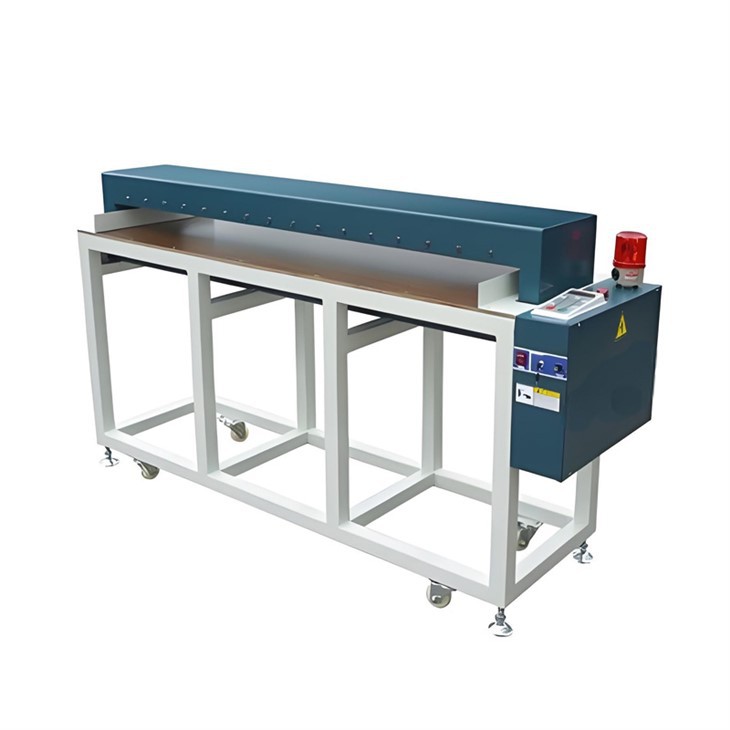
In addition to Footwear Metal Testers, we also offer a range of other metal detection machines that may be of interest to our customers. These include the Long Strip Needle Inspection Machine, which is designed for detecting needles in long strips of materials, the Non Driving Non - woven Needle Detector for non - woven fabrics, and the High Gantry Needle Detector for larger objects.

Conclusion
Understanding the lifespan of a Footwear Metal Tester and taking steps to extend it is essential for businesses in the footwear industry. By considering factors such as manufacturing quality, frequency of use, operating conditions, and maintenance, companies can make informed decisions about purchasing, maintaining, and replacing these machines. If you are interested in learning more about our Footwear Metal Testers or are looking to purchase a machine for your business, we encourage you to contact us for further details and to discuss your specific requirements.
References
- "Best Practices for Maintaining Metal Detection Equipment", Industry Insights Magazine, 20XX.
- "The Impact of Environmental Conditions on Metal Detector Performance", Journal of Manufacturing Technology, 20XX.