

Hey there! As a supplier of toy needle detectors, I often get asked about the self-diagnostic function in these machines. It kind of acts as a built - in health check for the detector, and it's super important for keeping things running smoothly.
Let's start by understanding what exactly a toy needle detector does. Its main job is to find any metal needles or other small metal fragments that might be lurking in toys. This is crucial because having needles in toys is a huge safety hazard, especially for kids. You definitely don't want a child to accidentally get pricked by a needle hidden in their favorite teddy bear, right?
Now, the self - diagnostic function comes into play to ensure that the detector is always up to the task. First off, it checks the hardware components. The detector is made up of a bunch of parts like sensors, circuits, and power supplies. Over time, these parts can wear out, get damaged, or malfunction. The self - diagnostic function regularly runs tests on all these components. It's like getting a full - body check - up at the doctor's office, but for your detector.
For example, it'll check if the sensors are working correctly. The sensors are the eyes of the toy needle detector. They're the ones that actually detect the presence of metal. If a sensor is not functioning properly, it might miss a needle or give false alarms. The self - diagnostic function will look for things like correct signal strength from the sensors. If the signal is too weak or too strong, it'll flag it as a problem.
Another aspect it monitors is the circuit boards. Circuit boards are where all the electrical magic happens in the detector. They're responsible for processing the signals from the sensors and making decisions about whether there's a metal object present or not. The self - diagnostic function checks for things like short circuits, open circuits, or any abnormal electrical currents on the circuit boards. If it finds any issues, it'll let you know, so you can get it fixed before it causes bigger problems.

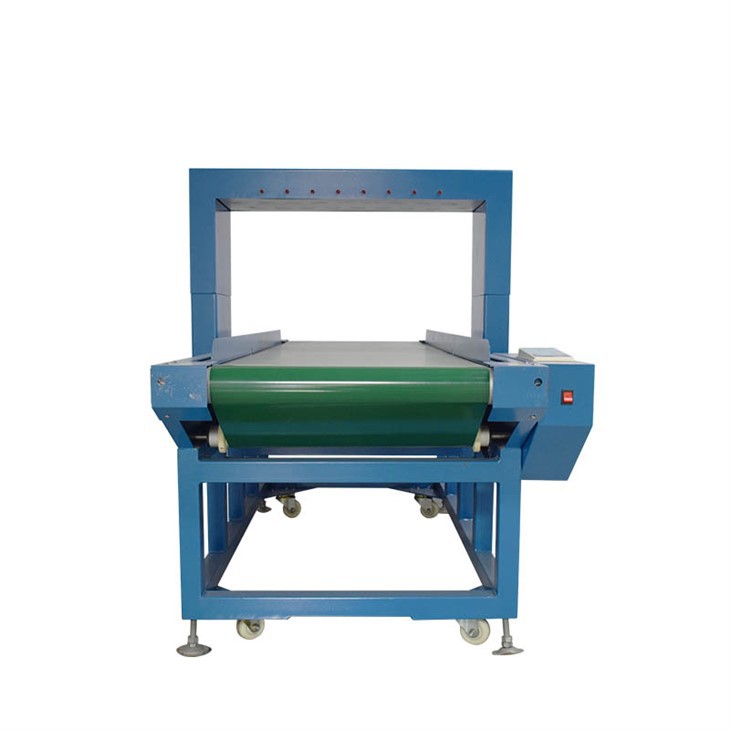
The power supply is also a key part of the detector, and the self - diagnostic function keeps tabs on it. It checks if the power is stable and at the right voltage. If the power supply is fluctuating or if there's a sudden drop in voltage, it can affect the performance of the detector. For instance, the detector might not be able to detect needles accurately, or it might shut down completely. So, by monitoring the power supply, the self - diagnostic function helps prevent these issues.
Apart from checking the hardware, the self - diagnostic function also looks into the software side of things. The detector has software that controls its operations, like setting the sensitivity levels, displaying the results, and communicating with other devices. This software can sometimes have glitches or bugs. The self - diagnostic function runs tests on the software to make sure it's working as it should. It checks for things like error codes, system crashes, or incorrect settings. If it detects any software problems, it can often suggest solutions or even try to fix them automatically in some cases.
One of the great things about the self - diagnostic function is that it saves a lot of time and effort. Without it, you'd have to manually check each and every component of the detector regularly. This would be a very time - consuming and complicated process, especially for someone who's not a technical expert. But with the self - diagnostic function, it can quickly give you a report on the overall health of the detector.
Let's say you're running a toy manufacturing plant. You have a production line with multiple toy needle detectors. You don't have the time to stop the production and check each detector every day. The self - diagnostic function allows you to keep an eye on the detectors' performance without interrupting the production process. If there's a problem, it'll alert you, and you can schedule maintenance during a break in the production schedule.
Now, as a supplier, we offer a range of toy needle detectors with top - notch self - diagnostic functions. For example, our Non Driving Non - woven Needle Detector is perfect for detecting needles in non - woven materials used in toys. It has a very advanced self - diagnostic function that can quickly identify any issues with the machine.
Our Wide Width Needle Inspection Machine is great for larger toy production lines. It can handle a wide range of toy sizes and has a robust self - diagnostic system. This system ensures that the machine is always in optimal condition, so you can keep your production running smoothly.
And then there's our High Gantry Needle Detector. It's designed for situations where you need to detect needles in tall or bulky toys. The self - diagnostic function in this detector is very reliable and helps in maintaining the highest level of accuracy.
If you're in the toy manufacturing business, having a toy needle detector with a good self - diagnostic function is a must. It's an investment in the safety of your products and the efficiency of your production. It can prevent costly recalls due to needles in toys and can also save you money on unnecessary maintenance.
So, if you're interested in learning more about our toy needle detectors or if you want to discuss your specific requirements, don't hesitate to reach out. We're here to help you find the best solution for your business. Our team of experts can answer all your questions and guide you through the purchasing process.
Let's work together to make sure that every toy that leaves your factory is safe and free from any metal needles or fragments. Whether you have a small toy workshop or a large - scale manufacturing plant, we have the right detector for you.
References:
- General knowledge about toy needle detectors from years of experience in the industry.
- Technical documentation of our own toy needle detector products.