

As a supplier of food metal detectors, I've witnessed firsthand the challenges that come with ensuring the quality and safety of food products. Food metal detectors play a crucial role in the food industry, helping to identify and remove metal contaminants from food items before they reach consumers. However, like any technology, they are not without their issues. In this blog post, I'll discuss some of the common problems with food metal detectors and how to address them.
False Alarms
One of the most frequent complaints from food manufacturers using metal detectors is false alarms. A false alarm occurs when the metal detector signals the presence of metal when there is none. This can be incredibly frustrating for operators, as it disrupts the production process and can lead to unnecessary product waste.

There are several reasons why false alarms might occur. One common cause is product effect. Certain food products, such as those with high salt or moisture content, can generate an electrical signal that the metal detector may misinterpret as metal. For example, wet or salty products like pickles or cured meats can be particularly challenging for metal detectors.
Another factor that can contribute to false alarms is environmental interference. Electrical equipment, magnetic fields, and even vibrations can disrupt the metal detector's sensors and cause false readings. To minimize false alarms, it's important to properly calibrate the metal detector for the specific product being inspected and to ensure that it is installed in an area free from potential sources of interference.

Sensitivity Issues
The sensitivity of a food metal detector is crucial for detecting small metal contaminants. However, achieving the right level of sensitivity can be a delicate balance. If the detector is set too sensitive, it may generate false alarms, as mentioned earlier. On the other hand, if it's not sensitive enough, it may miss small but potentially dangerous metal fragments.
The type of metal being detected also affects sensitivity. Different metals have different magnetic and electrical properties, which means that some metals are easier to detect than others. For example, ferrous metals (such as iron and steel) are generally easier to detect than non - ferrous metals (such as aluminum and copper). Non - ferrous metals, especially those with low conductivity like stainless steel, can be particularly challenging to detect.
To address sensitivity issues, it's important to choose a metal detector that is suitable for the type of food product and the size of metal contaminants you need to detect. Some modern metal detectors offer adjustable sensitivity settings, allowing operators to fine - tune the detector based on the specific requirements of each production run.
Product Packaging
The packaging of food products can also pose challenges for metal detectors. Metalized packaging, such as Aluminum foil bagged product metal detector, can interfere with the metal detector's ability to accurately detect metal contaminants. The metal layer in the packaging can generate a signal that masks the presence of real metal contaminants inside the product.
In addition, the shape and size of the packaging can affect the performance of the metal detector. Irregularly shaped packages or large packages may be more difficult to scan effectively, as the metal detector's sensors may not be able to cover the entire surface area of the product.
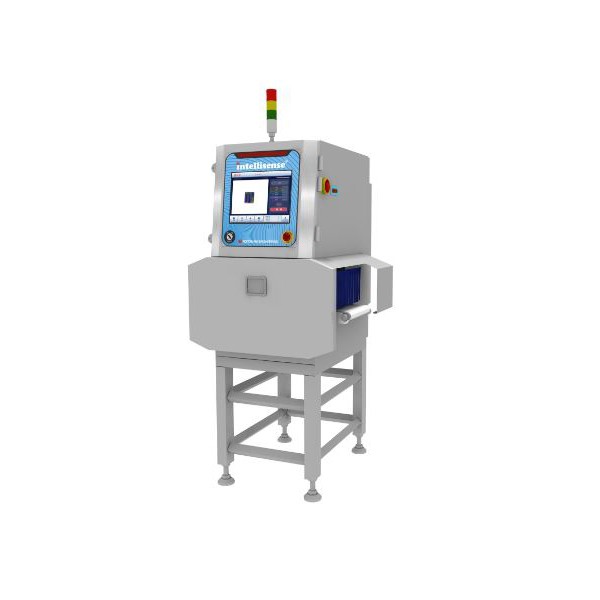
To overcome these challenges, some food manufacturers use specialized metal detectors designed to work with specific types of packaging. For example, X Ray Metal Detector Food can be more effective at detecting metal contaminants in metalized packaging, as they use X - ray technology to penetrate the packaging and identify foreign objects.
Maintenance and Calibration
Proper maintenance and calibration are essential for the reliable operation of food metal detectors. Over time, the sensors and other components of the metal detector can wear out or become misaligned, which can affect its performance.
Regular maintenance tasks include cleaning the detector to remove any food debris or dust that may accumulate on the sensors, checking the electrical connections for loose wires or corrosion, and inspecting the conveyor belt (if applicable) for signs of wear.
Calibration is also crucial to ensure that the metal detector is accurately detecting metal contaminants. Calibration involves testing the detector with known metal samples of different sizes and types to verify its sensitivity and accuracy. Most manufacturers recommend calibrating the metal detector at least once a day, or more frequently if the production environment is particularly harsh.
Integration with Production Lines
Integrating a food metal detector into an existing production line can be a complex process. The metal detector needs to be compatible with the speed and throughput of the production line, as well as the other equipment used in the manufacturing process.
For example, if the metal detector is too slow, it can cause a bottleneck in the production line, reducing overall efficiency. On the other hand, if it's not synchronized with the other equipment, it may not be able to accurately detect metal contaminants as they pass through the system.

Some food manufacturers choose to use Metal Detection And Weighing Integrated Machine, which combines the functions of metal detection and weighing. This type of machine can streamline the production process by eliminating the need for separate metal detection and weighing stations.
Training and Operator Error
Finally, operator error can also contribute to problems with food metal detectors. If operators are not properly trained on how to use the metal detector, they may make mistakes that affect its performance. For example, they may not calibrate the detector correctly, or they may not recognize the difference between a real alarm and a false alarm.
To address this issue, it's important to provide comprehensive training to all operators who will be using the metal detector. Training should cover topics such as how to operate the detector, how to perform routine maintenance and calibration, and how to respond to alarms.
Conclusion
Food metal detectors are an essential tool for ensuring the safety and quality of food products. However, they are not without their challenges. False alarms, sensitivity issues, product packaging, maintenance and calibration, integration with production lines, and operator error are all common problems that can affect the performance of food metal detectors.
As a supplier of food metal detectors, we are committed to helping our customers overcome these challenges. We offer a range of high - quality metal detectors that are designed to be reliable, accurate, and easy to use. Our team of experts can provide customized solutions to meet the specific needs of each customer, as well as training and support to ensure that the metal detectors are operated correctly.
If you are facing any of these common problems with your food metal detector or are looking to upgrade your existing system, we invite you to contact us for a consultation. We can help you choose the right metal detector for your application and provide you with the support you need to ensure its successful operation.
References
- "Food Safety and Quality Assurance in the Food Industry." John Wiley & Sons, Inc.
- "Principles of Food Processing Technology." Springer.
- Industry reports on food metal detection technology.