

As a supplier of weight sorter machines, I've witnessed firsthand the challenges that customers face when using these devices. Weight sorter machines are essential in various industries, including food processing, pharmaceuticals, and manufacturing, where precision and efficiency are paramount. However, like any complex machinery, they can encounter a range of problems that may disrupt operations and affect productivity. In this blog post, I'll discuss some of the common issues with weight sorter machines and provide practical solutions to address them.
1. Inaccurate Weight Measurements
One of the most prevalent problems with weight sorter machines is inaccurate weight measurements. This can lead to misclassification of products, resulting in quality control issues and potential financial losses. Several factors can contribute to inaccurate measurements, including:
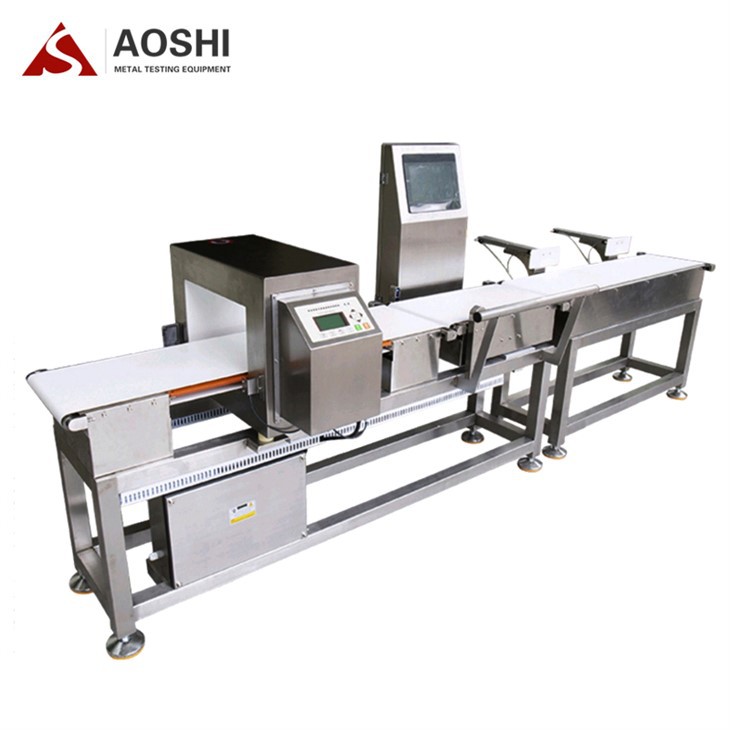

- Calibration Issues: Over time, the weight sensors in the machine may lose their calibration, leading to inaccurate readings. Regular calibration is essential to ensure the machine's accuracy. I recommend calibrating the machine at least once a week, or more frequently if it is used in a high-volume production environment.
- Environmental Factors: Temperature, humidity, and vibration can all affect the accuracy of weight measurements. It's important to install the weight sorter machine in a stable environment away from sources of heat, moisture, and vibration. Additionally, consider using a machine with temperature and humidity compensation features to minimize the impact of environmental factors.
- Product Variations: Some products may have irregular shapes, densities, or surface textures, which can make it challenging for the weight sorter machine to accurately measure their weight. In such cases, it may be necessary to adjust the machine's settings or use specialized sensors to improve measurement accuracy.
Solution: To address inaccurate weight measurements, start by performing a thorough calibration of the machine using certified weights. Check the environmental conditions around the machine and make any necessary adjustments to ensure a stable operating environment. If product variations are causing measurement issues, work with your machine supplier to explore options for customizing the machine's settings or using specialized sensors.
2. Conveyor Belt Problems
The conveyor belt is a critical component of the weight sorter machine, as it transports products through the weighing system. However, conveyor belt problems can occur, leading to issues such as product jams, misalignment, and uneven movement. Some common conveyor belt problems include:
- Wear and Tear: Over time, the conveyor belt can wear out due to continuous use, resulting in fraying, cracking, or stretching. This can cause the belt to slip or misalign, leading to product jams and inaccurate weight measurements.
- Misalignment: If the conveyor belt is not properly aligned, it can cause products to move unevenly or fall off the belt. Misalignment can be caused by improper installation, loose rollers, or worn-out bearings.
- Contamination: Dust, debris, and product residues can accumulate on the conveyor belt, affecting its performance and causing product jams. Regular cleaning and maintenance of the conveyor belt are essential to prevent contamination.
Solution: To prevent conveyor belt problems, regularly inspect the belt for signs of wear and tear and replace it as needed. Ensure that the belt is properly aligned and tensioned during installation and periodically check for any signs of misalignment. Implement a regular cleaning and maintenance schedule to keep the conveyor belt free from contamination.
3. Software and Control System Issues
The software and control system of the weight sorter machine play a crucial role in its operation and performance. However, software glitches, programming errors, or system malfunctions can occur, leading to issues such as incorrect sorting, data loss, or machine downtime. Some common software and control system issues include:
- Software Bugs: Like any software, the weight sorter machine's control software may contain bugs or glitches that can cause it to malfunction. Regular software updates are essential to fix these bugs and improve the machine's performance.
- Programming Errors: Incorrect programming of the machine's sorting parameters can lead to misclassification of products. It's important to ensure that the machine's software is programmed correctly and that the sorting parameters are regularly reviewed and updated.
- System Malfunctions: Hardware failures, power outages, or network issues can cause the machine's control system to malfunction. Implementing a backup power supply and a reliable network infrastructure can help minimize the impact of system malfunctions.
Solution: To address software and control system issues, regularly update the machine's software to the latest version provided by the manufacturer. Review and verify the programming of the sorting parameters to ensure accuracy. Implement a backup and recovery plan to protect against data loss and system malfunctions. Additionally, consider investing in a remote monitoring system that allows you to diagnose and troubleshoot issues in real-time.
4. Sensor Failures
The sensors in the weight sorter machine are responsible for detecting the weight and position of products as they pass through the weighing system. However, sensor failures can occur, leading to inaccurate measurements and sorting errors. Some common sensor failures include:
- Electrical Issues: Loose connections, damaged wires, or power surges can cause electrical problems in the sensors, leading to inaccurate readings or sensor failure.
- Mechanical Damage: Physical damage to the sensors, such as impact or vibration, can also cause them to malfunction.
- Contamination: Dust, debris, and product residues can accumulate on the sensors, affecting their performance and causing false readings.
Solution: To prevent sensor failures, regularly inspect the sensors for signs of electrical or mechanical damage. Check the connections and wiring to ensure they are secure and free from damage. Clean the sensors regularly to remove any contamination. If a sensor fails, replace it with a new one from a reputable supplier.
5. Sorting Errors
Sorting errors occur when the weight sorter machine misclassifies products based on their weight. This can lead to products being sent to the wrong bins or rejected when they should have been accepted. Some common causes of sorting errors include:
- Inaccurate Weight Measurements: As discussed earlier, inaccurate weight measurements can lead to sorting errors. Ensure that the machine is properly calibrated and that the environmental conditions are stable to minimize measurement inaccuracies.
- Software and Control System Issues: Incorrect programming of the sorting parameters or software glitches can also cause sorting errors. Review and verify the programming of the machine's sorting parameters and ensure that the software is up-to-date.
- Product Variations: Some products may have similar weights but different characteristics, which can make it challenging for the machine to accurately sort them. In such cases, it may be necessary to adjust the sorting parameters or use additional sorting criteria.
Solution: To address sorting errors, start by checking the accuracy of weight measurements and ensuring that the machine is properly calibrated. Review the programming of the sorting parameters and make any necessary adjustments to improve sorting accuracy. If product variations are causing sorting issues, work with your machine supplier to explore options for customizing the sorting criteria or using additional sensors.
6. Maintenance and Service Challenges
Proper maintenance and service are essential to keep the weight sorter machine running smoothly and to prevent costly breakdowns. However, maintenance and service challenges can arise, especially for companies with limited technical resources or experience. Some common maintenance and service challenges include:
- Lack of Training: Operators may not be properly trained on how to maintain and service the weight sorter machine, leading to improper maintenance practices and potential equipment damage.
- Difficulty Finding Replacement Parts: Finding replacement parts for the weight sorter machine can be challenging, especially if the machine is older or from a less well-known manufacturer.
- Long Service Response Times: In the event of a breakdown, long service response times can result in significant downtime and lost productivity.
Solution: To overcome maintenance and service challenges, provide comprehensive training to your operators on how to maintain and service the weight sorter machine. Work with your machine supplier to establish a regular maintenance schedule and ensure that you have access to a reliable supply of replacement parts. Consider signing a service contract with your machine supplier to ensure prompt response times in the event of a breakdown.
Conclusion
Weight sorter machines are valuable tools for improving quality control and productivity in various industries. However, like any complex machinery, they can encounter a range of problems that may disrupt operations and affect performance. By being aware of the common problems with weight sorter machines and implementing the solutions outlined in this blog post, you can minimize downtime, improve measurement accuracy, and ensure the long-term reliability of your weight sorter machine.
If you're experiencing problems with your weight sorter machine or are considering purchasing a new one, I encourage you to contact us. As a leading supplier of weight sorter machines, we offer a wide range of high-quality products, including the Seven Level Weight Sorting Machine, Metal Detector Online Weighing Machine Combined Machine, and Rolling Automatic Weighing Machine. Our team of experts can provide you with personalized advice and support to help you find the right solution for your specific needs. Contact us today to start a discussion about your weight sorting requirements.
References
- Manufacturer's manuals and technical documentation for weight sorter machines.
- Industry standards and best practices for weight sorting and quality control.
- Research studies on the impact of environmental factors on weight measurement accuracy.