

Hey there! As a supplier of Hand Held Iron Detectors, I've seen firsthand the importance of using these tools effectively. Whether you're in the construction industry, looking for buried treasures, or working in a security setting, a well - trained operator can get the most out of a hand - held iron detector. In this blog, I'll share some tips on how to train to use a hand - held iron detector effectively.
Understanding the Basics
First things first, you need to understand how a hand - held iron detector works. These devices operate on the principle of electromagnetic induction. When the detector's search coil passes over a metal object, it creates a disturbance in the electromagnetic field, which the detector then picks up and signals to the user, usually through an audible beep or a visual indicator on the screen.
Before you start using your detector, take the time to read the user manual. Every detector is a bit different, and the manual will give you specific information about your model, like how to adjust the sensitivity, what the different settings mean, and how to perform basic maintenance.
Getting Familiar with the Controls
Once you've read the manual, it's time to get hands - on with the controls. Start by powering on the detector and getting used to the feel of it in your hand. Most hand - held iron detectors have a few main controls: a sensitivity adjustment, a discrimination control, and a power switch.
The sensitivity adjustment is crucial. It determines how easily the detector can pick up metal objects. If you set the sensitivity too low, you might miss small or deeply buried objects. On the other hand, if it's set too high, the detector might give false signals from things like mineralized soil. Experiment with different sensitivity levels in a controlled environment, like your backyard, to find the sweet spot for your detector.
The discrimination control allows you to tell the detector which types of metal you're interested in and which ones you want to ignore. For example, if you're looking for valuable coins, you can set the detector to ignore iron junk. This can save you a lot of time and effort by reducing the number of false alarms.
Practicing in Different Environments
To become really good at using a hand - held iron detector, you need to practice in different environments. Start in an open area with few metal objects, like a grassy field. Walk slowly and steadily, keeping the search coil parallel to the ground at a consistent height, usually about 1 - 2 inches. Move the detector in a smooth, overlapping pattern, like mowing a lawn.
As you walk, pay close attention to the signals. When you hear a beep or see a visual indication, stop and mark the spot. Then, use a small digging tool to carefully uncover the object. This will help you learn how different types of metal sound and look on the detector.
After you've mastered the open field, try more challenging environments, like a park with lots of buried metal debris or a beach with sand and saltwater. These environments can be tricky because the soil or sand might contain minerals that can interfere with the detector's signals. You'll need to adjust the sensitivity and discrimination settings accordingly.
Interpreting the Signals
One of the most important skills in using a hand - held iron detector is learning to interpret the signals. Different types of metal produce different signals on the detector. For example, a large, solid piece of iron will usually give a strong, deep - sounding beep, while a small, thin piece of metal might produce a weaker, higher - pitched beep.
Some detectors also have a target ID feature that can tell you what type of metal you've found. However, these features aren't always 100% accurate, so it's still important to rely on your own experience and judgment. The more you practice, the better you'll get at distinguishing between different types of metal based on the signals.

Using Additional Tools
In addition to the hand - held iron detector, there are some other tools that can be helpful. A good digging tool, like a trowel or a spade, is essential for uncovering the objects you've found. A pinpointer can also be very useful. This is a small, handheld device that can help you locate the exact position of the metal object once you've detected it with the main detector.
Another useful tool is a metal detector pouch or belt. This allows you to keep your detector accessories organized and within easy reach while you're out searching.
Safety First
When using a hand - held iron detector, safety should always be your top priority. Make sure you have permission to search in the area you're using the detector. If you're digging, be careful not to damage any underground utilities, like water pipes or electrical cables.
Wear appropriate clothing and footwear, especially if you're searching in rough or outdoor environments. And always carry a first - aid kit in case of any minor injuries.
Continuous Learning
The world of metal detecting is constantly evolving, and there's always something new to learn. Join a metal detecting club or online community to connect with other enthusiasts. You can share tips, learn about new techniques, and stay up - to - date on the latest detector models and accessories.
There are also many books and online resources available that can teach you more about metal detecting. Reading these resources can help you expand your knowledge and improve your skills.
The Role of Our Hand Held Iron Detectors
As a supplier, we're committed to providing high - quality hand - held iron detectors that are easy to use and reliable. Our detectors are designed with the latest technology to ensure accurate and efficient detection. They're also built to be durable, so they can withstand the rigors of regular use in different environments.
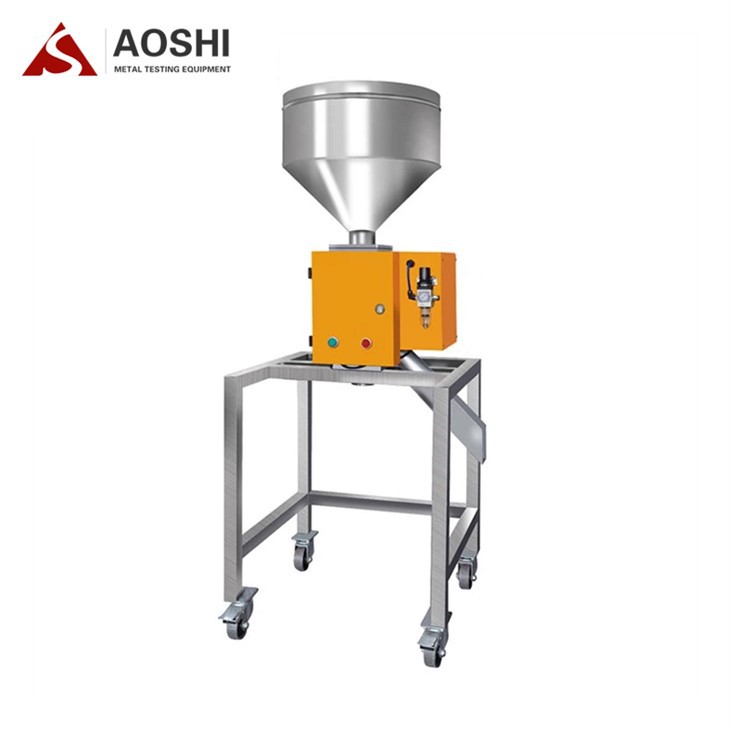
If you're interested in learning more about our products, you can check out our Particle Metal Separator, Metal Separator, and Particulate Metal Separator on our website. These products are designed to meet the diverse needs of our customers, whether you're a beginner or an experienced metal detectorist.
Conclusion
Training to use a hand - held iron detector effectively takes time and practice, but it's definitely worth it. By understanding the basics, getting familiar with the controls, practicing in different environments, interpreting the signals, using additional tools, and prioritizing safety, you can become a skilled metal detectorist.
If you're interested in purchasing a hand - held iron detector or have any questions about our products, don't hesitate to reach out. We're here to help you find the right detector for your needs and provide you with all the support you need to get the most out of it.
References
- "Metal Detecting for Beginners" by Dave Johnson
- Online metal detecting forums and communities