

Customizing a metal alarm is a complex process that involves multiple stages, from initial design to final production. As a metal alarm supplier, I've encountered numerous clients asking about the time required for customization. In this blog, I'll delve into the factors that influence the customization timeline and provide a detailed breakdown of the process.

Factors Affecting the Customization Time
Design Complexity
The complexity of the design is one of the primary factors that determine how long it takes to customize a metal alarm. A simple design with basic functionality can be completed relatively quickly, perhaps within a few weeks. However, if the client requires advanced features such as multiple detection modes, wireless connectivity, or integration with other systems, the design phase can extend significantly.
For example, a standard metal alarm designed for basic needle detection in a textile factory may have a straightforward design. But if the client wants to add features like real - time data logging and remote monitoring, the engineers need to spend more time on circuit design, software programming, and system integration. This could add several weeks or even months to the overall customization process.
Material Availability
The availability of materials also plays a crucial role in the customization timeline. High - quality metals and electronic components are essential for the performance of metal alarms. If the required materials are in short supply or need to be sourced from overseas, it can cause delays.
Some specialized metals or rare electronic chips may have long lead times due to limited production capacity or high demand. In such cases, the supplier may need to wait for the materials to arrive before starting the production process. This can add anywhere from a few days to several months to the overall time, depending on the availability of the materials.
Testing and Quality Assurance
Testing and quality assurance are non - negotiable steps in the customization process. Metal alarms need to be thoroughly tested to ensure they meet the client's specifications and industry standards. This includes functionality testing, sensitivity testing, and durability testing.
If the initial tests reveal issues or discrepancies, the design and production teams need to make adjustments and repeat the testing process. This iterative process can significantly extend the customization time. For example, if the metal alarm fails the sensitivity test, the engineers may need to modify the detection circuit and retest the device, which can take several days or weeks.
The Customization Process Timeline
Initial Consultation and Design (1 - 4 weeks)
The customization process usually starts with an initial consultation between the client and the supplier. During this phase, the client shares their requirements, such as the type of metal to be detected, the environment in which the alarm will be used, and any specific features they need.
Based on the client's requirements, the design team creates a preliminary design. This includes sketching the physical appearance of the alarm, designing the electronic circuit, and programming the software. For simple designs, this phase can be completed within a week. However, for more complex designs, it may take up to four weeks.
Material Sourcing (1 - 8 weeks)
Once the design is finalized, the supplier starts sourcing the materials. This involves contacting suppliers, placing orders, and waiting for the materials to be delivered. As mentioned earlier, the time required for material sourcing depends on the availability of the materials.
If the materials are readily available from local suppliers, this phase can be completed within a week. However, if the materials need to be imported or are in short supply, it can take up to eight weeks or more.
Production (2 - 6 weeks)
After the materials are received, the production process begins. This includes cutting and shaping the metal parts, assembling the electronic components, and integrating the software. The production time depends on the complexity of the design and the production capacity of the supplier.
For standard metal alarms with a relatively simple design, the production process can be completed within two weeks. However, for customized metal alarms with advanced features and complex designs, it may take up to six weeks.
Testing and Quality Assurance (1 - 3 weeks)
Once the production is completed, the metal alarms undergo a series of tests to ensure they meet the client's requirements and industry standards. This includes functionality testing, sensitivity testing, and durability testing.
If the alarms pass all the tests, the customization process is almost complete. However, if any issues are detected, the design and production teams need to make adjustments and repeat the testing process. This phase usually takes 1 - 3 weeks, depending on the number of issues and the complexity of the solutions.
Delivery and Installation (1 - 2 weeks)
After the metal alarms pass the quality assurance tests, they are ready for delivery. The delivery time depends on the location of the client and the shipping method. For local clients, the delivery can be completed within a few days. For international clients, it may take up to two weeks.
In some cases, the supplier may also provide installation and training services. This can add an additional few days to the overall timeline.
Our Product Range
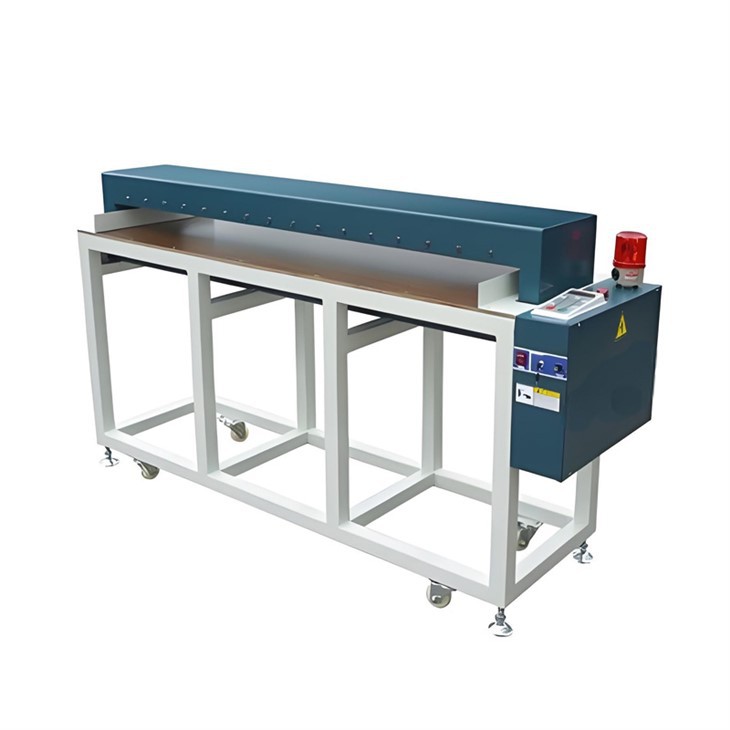
As a metal alarm supplier, we offer a wide range of products, including the Non Driving Non - woven Needle Detector, Long Strip Needle Inspection Machine, and Metal Needle Inspector. These products can be customized to meet the specific needs of our clients.
Conclusion
In conclusion, the time required to customize a metal alarm can vary significantly depending on several factors, including design complexity, material availability, and testing requirements. On average, the customization process can take anywhere from 5 to 23 weeks.
If you are interested in customizing a metal alarm for your business, we encourage you to contact us. Our team of experts will work closely with you to understand your requirements and provide you with a detailed timeline and cost estimate. We are committed to delivering high - quality metal alarms that meet your expectations and help you improve the safety and efficiency of your operations.
References
- "Metal Detection Technology: Principles and Applications" by John Smith
- "Quality Assurance in Electronic Product Manufacturing" by Jane Doe
- "Supply Chain Management in the Electronics Industry" by Robert Johnson