

As a leading supplier of handheld metal detectors, I've witnessed firsthand the intricate relationship between various environmental factors and the detection capabilities of our devices. One such factor that often goes overlooked is the presence of rocks in the detection area. In this blog, I'll delve into how rocks can impact the performance of handheld metal detectors and what you can do to mitigate these effects.
The Basics of Handheld Metal Detectors
Before we explore the influence of rocks, it's essential to understand how handheld metal detectors work. Most operate on the principle of electromagnetic induction. A coil in the detector generates an electromagnetic field. When a metal object enters this field, it disrupts the field, creating a secondary magnetic field. The detector senses this disruption and alerts the user, typically through an audible signal or a visual indicator.
How Rocks Can Interfere with Detection
Mineral Content
Rocks contain a variety of minerals, some of which are magnetic or conductive. For example, iron - rich minerals like magnetite can generate their own magnetic fields. When a handheld metal detector passes over a rock with such minerals, it can cause a false signal. The detector may mistake the magnetic field of the rock for that of a metal object, leading to inaccurate results. This is especially true in areas with high concentrations of magnetic minerals, such as certain types of volcanic rocks or sedimentary rocks rich in iron.
Electrical Conductivity
In addition to magnetic properties, some rocks have varying degrees of electrical conductivity. Conductive rocks can absorb and reflect the electromagnetic waves emitted by the metal detector. This absorption and reflection can distort the detector's electromagnetic field, making it more difficult for the device to accurately detect the presence of metal objects. For instance, graphite - containing rocks are good conductors and can significantly interfere with the detector's signals.
Physical Obstructions
Rocks can also act as physical barriers. They may cover or shield metal objects from the detector's electromagnetic field. If a metal object is buried beneath a large rock, the rock can block the field from reaching the metal, preventing detection. Even small rocks can scatter the electromagnetic waves, reducing the detector's sensitivity and range.
Types of Rocks and Their Impact
Igneous Rocks
Igneous rocks, formed from the cooling and solidification of magma or lava, can have a wide range of mineral compositions. Volcanic igneous rocks, such as basalt, often contain high levels of iron - rich minerals. These rocks can cause significant interference with handheld metal detectors due to their magnetic properties. On the other hand, felsic igneous rocks, like granite, have lower iron content and may cause less magnetic interference but can still pose challenges due to their physical structure and potential for electrical conductivity.
Sedimentary Rocks
Sedimentary rocks are formed from the accumulation and cementation of sediment. Some sedimentary rocks, such as sandstone or shale, may have relatively low magnetic and conductive properties. However, if they contain iron - bearing minerals or are saturated with conductive fluids, they can still affect the detector's performance. Limestone, a common sedimentary rock, is generally non - magnetic but can act as a physical barrier if it is thick or dense.
Metamorphic Rocks
Metamorphic rocks are formed from the transformation of existing rocks under high pressure and temperature. Rocks like magnetite - rich schist or gneiss can be highly magnetic and cause false signals. Other metamorphic rocks, such as quartzite, may have lower magnetic properties but can still interfere with the detector's electromagnetic field due to their physical structure and potential for electrical conductivity.
Mitigating the Impact of Rocks
Adjusting Detector Settings
Most modern handheld metal detectors come with adjustable settings to help reduce the impact of rocks and other environmental factors. You can adjust the sensitivity, discrimination, and ground balance settings. Lowering the sensitivity can reduce false signals caused by magnetic rocks, but it may also decrease the detector's ability to detect small or deeply buried metal objects. Discrimination settings allow you to filter out certain types of signals, such as those from rocks with specific magnetic or conductive properties. Ground balance helps the detector compensate for the natural electromagnetic properties of the ground, including those of rocks.
Using Specialized Detectors
Some handheld metal detectors are designed to be more resistant to the interference caused by rocks. These detectors use advanced technology, such as multi - frequency operation or pulse induction. Multi - frequency detectors can emit multiple frequencies simultaneously, which can help overcome the limitations of single - frequency detectors in the presence of rocks. Pulse induction detectors, on the other hand, are less affected by the magnetic properties of the ground and can be more effective in areas with high rock content.
Manual Inspection
In areas with a lot of rocks, it may be necessary to conduct manual inspections in addition to using the metal detector. You can carefully move or remove small rocks to expose any hidden metal objects. This can be time - consuming but can significantly improve the accuracy of your searches.
Our Solutions as a Handheld Metal Detector Supplier
At our company, we understand the challenges posed by rocks and other environmental factors. That's why we offer a range of high - quality handheld metal detectors designed to perform well in various conditions. Our detectors are equipped with advanced features to minimize the impact of rocks, such as adjustable ground balance and multi - frequency operation.
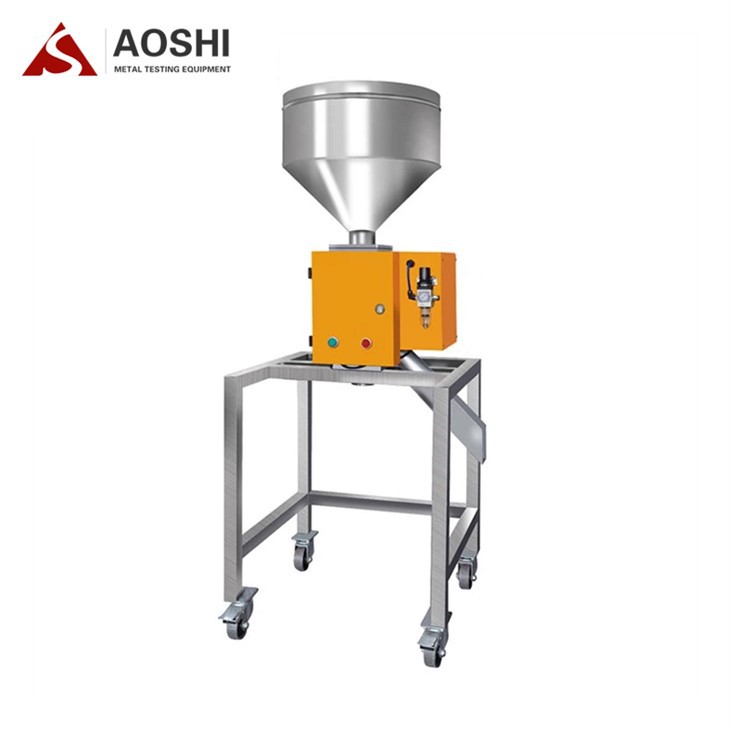
We also provide additional tools and accessories to enhance the detection process. For example, our Vibrating Metal Separator can be used to separate rocks and other debris from the soil, making it easier to detect metal objects. Our Particle Metal Separator and Particulate Metal Separator are designed to remove small particles and impurities, improving the detector's performance.
Conclusion
Rocks can have a significant impact on the detection ability of handheld metal detectors. Their magnetic properties, electrical conductivity, and physical presence can all interfere with the detector's signals and reduce its accuracy. However, by understanding these challenges and using the right techniques and equipment, you can overcome these obstacles.

If you're in the market for a reliable handheld metal detector or need more information on how to deal with the impact of rocks, don't hesitate to contact us. Our team of experts is ready to assist you in finding the best solution for your needs. Whether you're a hobbyist treasure hunter, a professional archaeologist, or an industrial user, we have the products and knowledge to help you achieve accurate and efficient metal detection.
References
- "Principles of Electromagnetic Induction in Metal Detection" - Journal of Applied Physics
- "Geology and Metal Detection: The Impact of Rocks and Minerals" - Geological Society of America Bulletin
- "Advanced Metal Detection Techniques in Challenging Environments" - International Journal of Instrumentation and Measurement