

In the industrial landscape, the heavy weight sorter stands as a crucial piece of equipment, particularly in sectors where accurate weight-based sorting is paramount. As a seasoned supplier of heavy weight sorters, I've witnessed firsthand the significance of precision in these machines and the impact it has on various industries. In this blog, we'll delve into the accuracy of heavy weight sorters, exploring the factors that influence it and the technologies that enhance it.
Understanding the Role of Heavy Weight Sorters
Heavy weight sorters are designed to separate products based on their weight. They are widely used in industries such as food processing, agriculture, and manufacturing. In the food industry, for example, these sorters ensure that products meet specific weight requirements before they are packaged and sent to market. This not only helps maintain product quality but also ensures compliance with regulatory standards.
In agriculture, heavy weight sorters are used to sort fruits, vegetables, and grains based on their weight. This allows farmers and processors to grade their products more efficiently, increasing their market value. In manufacturing, these sorters are used to sort components and parts, ensuring that only items within a specified weight range are used in the production process.
Factors Affecting the Accuracy of Heavy Weight Sorters
The accuracy of a heavy weight sorter is influenced by several factors, including the design of the machine, the quality of its components, and the operating environment.
Machine Design
The design of a heavy weight sorter plays a crucial role in its accuracy. A well-designed sorter will have a stable weighing platform, which minimizes vibrations and ensures consistent weight measurements. The conveyor system used in the sorter should also be designed to handle the weight and size of the products being sorted without causing any damage or disruption to the weighing process.
Component Quality
The quality of the components used in a heavy weight sorter is another important factor. High-quality load cells, which are responsible for measuring the weight of the products, are essential for accurate sorting. These load cells should be calibrated regularly to ensure their accuracy. Additionally, the electronic components used in the sorter, such as the control system and the sensors, should be reliable and resistant to interference.
Operating Environment
The operating environment can also have a significant impact on the accuracy of a heavy weight sorter. Factors such as temperature, humidity, and vibration can all affect the performance of the machine. For example, extreme temperatures can cause the load cells to expand or contract, leading to inaccurate weight measurements. Vibration from nearby machinery can also interfere with the weighing process, causing fluctuations in the weight readings.
Technologies Enhancing the Accuracy of Heavy Weight Sorters
To improve the accuracy of heavy weight sorters, manufacturers are constantly developing and implementing new technologies. These technologies help to minimize the impact of external factors and ensure consistent and reliable sorting.
Advanced Load Cell Technology
Modern load cells are designed to be more accurate and reliable than ever before. They use advanced materials and manufacturing techniques to reduce the effects of temperature, humidity, and vibration. Some load cells also feature built-in compensation algorithms, which automatically adjust the weight measurements to account for environmental factors.

Digital Signal Processing
Digital signal processing (DSP) technology is used to filter out noise and interference from the weight signals. This helps to improve the accuracy of the weight measurements and ensures that the sorter can make more precise sorting decisions. DSP technology also allows for real-time monitoring and adjustment of the sorting process, further enhancing the accuracy of the machine.
Intelligent Control Systems
Intelligent control systems are another key technology used in heavy weight sorters. These systems use advanced algorithms to analyze the weight data and make sorting decisions based on predefined criteria. They can also adapt to changes in the operating environment and adjust the sorting parameters accordingly. For example, if the temperature or humidity changes, the control system can automatically adjust the load cell calibration to maintain accurate sorting.
Comparing Different Types of Heavy Weight Sorters
There are several types of heavy weight sorters available on the market, each with its own advantages and disadvantages. Here are some of the most common types:
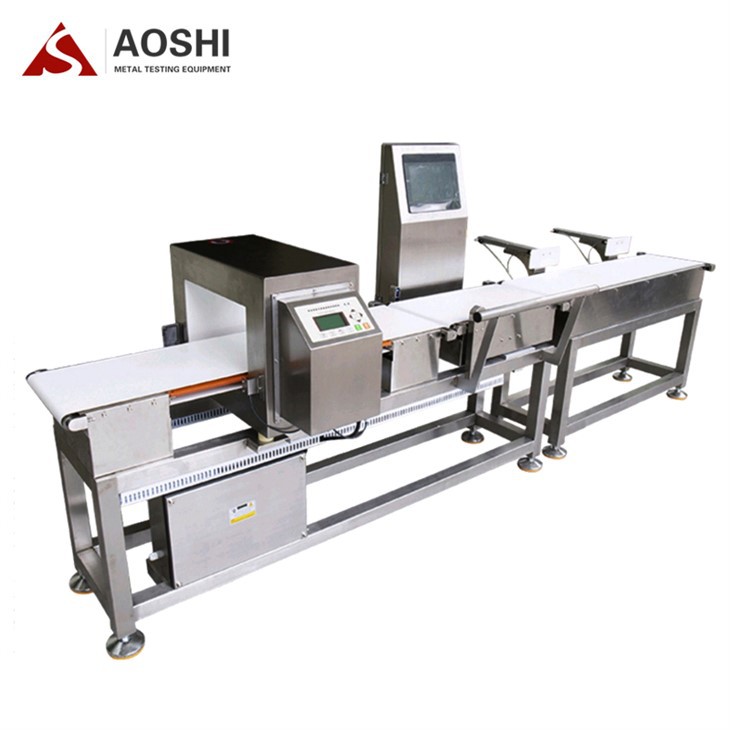
Metal Detector Online Weighing Machine Combined Machine
This type of sorter combines a metal detector with an online weighing machine. It is ideal for industries where both weight sorting and metal detection are required, such as the food and pharmaceutical industries. The metal detector helps to ensure that the products are free from metal contaminants, while the weighing machine sorts the products based on their weight.
Pneumatic Multi-stage Weighing And Sorting Machine
Pneumatic multi-stage weighing and sorting machines use compressed air to sort products based on their weight. They are suitable for sorting a wide range of products, including fruits, vegetables, and small components. These machines offer high-speed sorting and can handle large volumes of products.
Dynamic Weighing Machine
Dynamic weighing machines are designed to weigh products while they are in motion. They are commonly used in industries where high-speed sorting is required, such as the packaging and logistics industries. These machines can accurately measure the weight of products as they pass through the weighing area, allowing for real-time sorting.
Assessing the Accuracy of a Heavy Weight Sorter
When evaluating the accuracy of a heavy weight sorter, it's important to consider several factors, including the repeatability, linearity, and resolution of the machine.
Repeatability
Repeatability refers to the ability of the sorter to produce consistent weight measurements when weighing the same product multiple times. A high repeatability indicates that the machine is reliable and can be trusted to make accurate sorting decisions.
Linearity
Linearity is a measure of how closely the weight measurements of the sorter follow a straight line over a range of weights. A sorter with good linearity will produce accurate weight measurements across the entire weight range it is designed to handle.
Resolution
Resolution refers to the smallest change in weight that the sorter can detect. A sorter with a high resolution can make more precise sorting decisions, especially when dealing with products that have a narrow weight tolerance.
Conclusion
The accuracy of a heavy weight sorter is a critical factor in its performance and effectiveness. By understanding the factors that affect accuracy and the technologies that enhance it, you can make an informed decision when choosing a heavy weight sorter for your business. At our company, we are committed to providing high-quality heavy weight sorters that offer exceptional accuracy and reliability. Our machines are designed to meet the specific needs of various industries and are backed by our experienced technical support team.
If you are interested in learning more about our heavy weight sorters or would like to discuss your specific sorting requirements, please feel free to contact us. We look forward to the opportunity to work with you and help you improve your sorting processes.
References
- "Industrial Weighing Technology" by John Doe
- "Advances in Sorting Machine Design" by Jane Smith
- "The Impact of Environmental Factors on Weighing Accuracy" by Robert Johnson