

In the realm of archaeological research, the utilization of advanced tools and technologies has always been a game - changer. One such tool that has sparked a significant amount of interest is the handheld metal detector. As a supplier of handheld metal detectors, I have witnessed firsthand the potential and limitations of these devices in archaeological work. In this blog, we will explore whether a handheld metal detector can be effectively used in archaeological research.
The Basics of Handheld Metal Detectors
Handheld metal detectors operate on the principle of electromagnetic induction. When the detector's search coil is passed over a metal object, the magnetic field generated by the coil interacts with the metal, inducing an electrical current in the metal. This, in turn, creates a secondary magnetic field that is detected by the coil, triggering an audible or visual signal for the user.
These detectors come in various types, including VLF (Very Low Frequency) and PI (Pulse Induction). VLF detectors are more commonly used for general metal detecting and are sensitive to a wide range of metals, including ferrous and non - ferrous metals. PI detectors, on the other hand, are better suited for detecting metals in highly mineralized soil and are often used in beach detecting and deep - target hunting.
Advantages of Using Handheld Metal Detectors in Archaeological Research
Discovery of Metal Artifacts
One of the most obvious advantages of using handheld metal detectors in archaeology is the ability to discover metal artifacts. Throughout history, humans have used metals for a variety of purposes, from tools and weapons to jewelry and coins. Metal detectors can help archaeologists locate these artifacts, even when they are buried beneath the surface.
For example, in a Roman archaeological site, a handheld metal detector can be used to find coins, brooches, and small metal tools that may have been lost or discarded over time. These artifacts can provide valuable insights into the daily life, trade, and technology of the Roman civilization.
Time - Saving
Compared to traditional archaeological excavation methods, using a handheld metal detector can significantly save time. Instead of painstakingly sifting through large areas of soil by hand, archaeologists can quickly scan an area with a metal detector to identify potential artifact locations. This allows them to focus their excavation efforts on specific areas, increasing the efficiency of the research process.
Non - Invasive Exploration
Handheld metal detectors offer a non - invasive way to explore archaeological sites. They can be used to survey large areas without causing significant damage to the soil or other cultural remains. This is particularly important in sensitive archaeological sites where preserving the integrity of the site is crucial.
Limitations of Handheld Metal Detectors in Archaeological Research
Limited Detection Depth
One of the main limitations of handheld metal detectors is their limited detection depth. Most consumer - grade handheld metal detectors can only detect metals at a depth of a few inches to a couple of feet. In some archaeological sites, artifacts may be buried much deeper, making it difficult for these detectors to locate them.
False Signals
Handheld metal detectors can also produce false signals. Soil minerals, such as iron oxide, can cause the detector to trigger a signal, even when there is no metal artifact present. This can lead to wasted time and effort in investigating false alarms.
Inability to Identify Artifacts
While a handheld metal detector can indicate the presence of a metal object, it cannot provide detailed information about the object. Archaeologists still need to excavate the object and conduct further analysis to determine its age, origin, and significance.
Applications in Different Archaeological Contexts
Historical Battlefields
In historical battlefields, handheld metal detectors can be extremely useful. They can help locate bullets, cannonballs, and other metal military artifacts. These artifacts can provide valuable information about the weapons used in the battle, the tactics employed, and the scale of the conflict.
For instance, in the American Civil War battlefields, metal detectors have been used to discover thousands of bullets and other military relics. These discoveries have helped historians gain a better understanding of the war and its impact on the region.
Ancient Settlements
In ancient settlements, handheld metal detectors can be used to find a wide range of metal artifacts, including tools, jewelry, and coins. By mapping the distribution of these artifacts, archaeologists can gain insights into the layout of the settlement, the social structure, and the economic activities of the people who lived there.
Our Handheld Metal Detectors and Related Products
As a supplier of handheld metal detectors, we offer a wide range of products suitable for archaeological research. Our detectors are equipped with advanced technology to improve detection accuracy and depth.
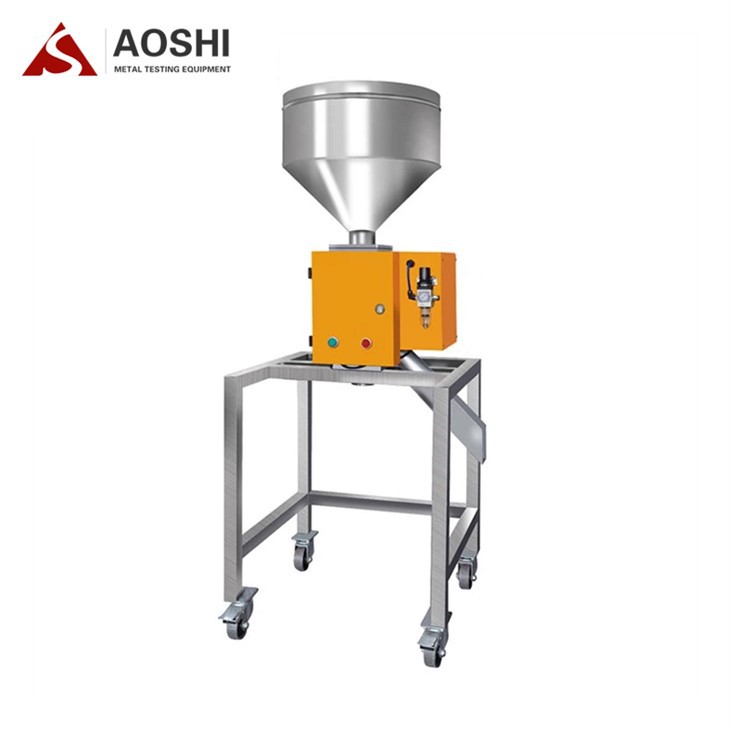
In addition to handheld metal detectors, we also provide related products such as Particulate Metal Separator, Metal Separator, and Plastic Raw Material Metal Separator. These products can be used in conjunction with handheld metal detectors to enhance the archaeological research process.
Conclusion
In conclusion, handheld metal detectors can be a valuable tool in archaeological research. They offer several advantages, such as the ability to discover metal artifacts, save time, and conduct non - invasive exploration. However, they also have limitations, including limited detection depth, false signals, and the inability to identify artifacts.

Despite these limitations, when used in conjunction with other archaeological methods and tools, handheld metal detectors can significantly contribute to our understanding of the past. If you are an archaeologist or involved in archaeological research, we encourage you to consider our handheld metal detectors and related products. Contact us to discuss your specific needs and start a procurement negotiation to enhance your archaeological research capabilities.
References
- Pollard, A. M., & Heron, C. (1996). Archaeological Chemistry. Royal Society of Chemistry.
- Schiffer, M. B. (1987). Formation Processes of the Archaeological Record. University of New Mexico Press.
- Thompson, M. (2010). Metal Detecting: A Practical Guide. Amberley Publishing.