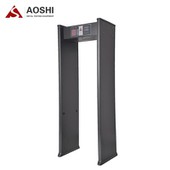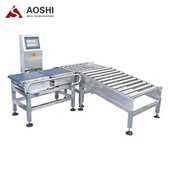

Metal detection machines are widely used in industries such as food, pharmaceuticals, and cosmetics to detect metal foreign objects in products, ensuring their safety and quality. Daily maintenance is crucial to ensure its accuracy and reliability.

1. Cleaning work:
Before and after each use, use a clean cloth to wipe the casing and working area of the metal detector to prevent dust and dirt accumulation.
Regularly clean sensors and detection areas to avoid metal shavings or other debris affecting detection accuracy.
2. Check the power supply and connections:
Ensure that the power connection is stable and the voltage meets the equipment requirements.
Regularly inspect cables and interfaces to prevent looseness or damage.
3. Environmental control:
It should be placed in a dry and vibration free environment, avoiding special temperatures and humidity.
Regularly check the environmental conditions to ensure that the equipment is operating in optimal condition.
4. Component inspection:
Regularly inspect the wear and tear of conveyor belts, sensors, and other critical components, and promptly replace damaged parts.
Ensure that the conveyor belt runs smoothly without any jamming.
5. Record maintenance logs:
Record the time, content, and identified issues of each maintenance to facilitate tracking and management of the device's operational status.
Regularly review and maintain records, identify potential issues, and promptly address them.