

As a leading supplier of garment needle detectors, I've witnessed firsthand the critical role these machines play in the textile and garment industries. Ensuring product safety and quality is paramount, and needle detectors are the front - line defense against potential hazards. In this blog, we'll delve into the signal output of a garment needle detector, exploring what it is, how it works, and its significance in the manufacturing process.
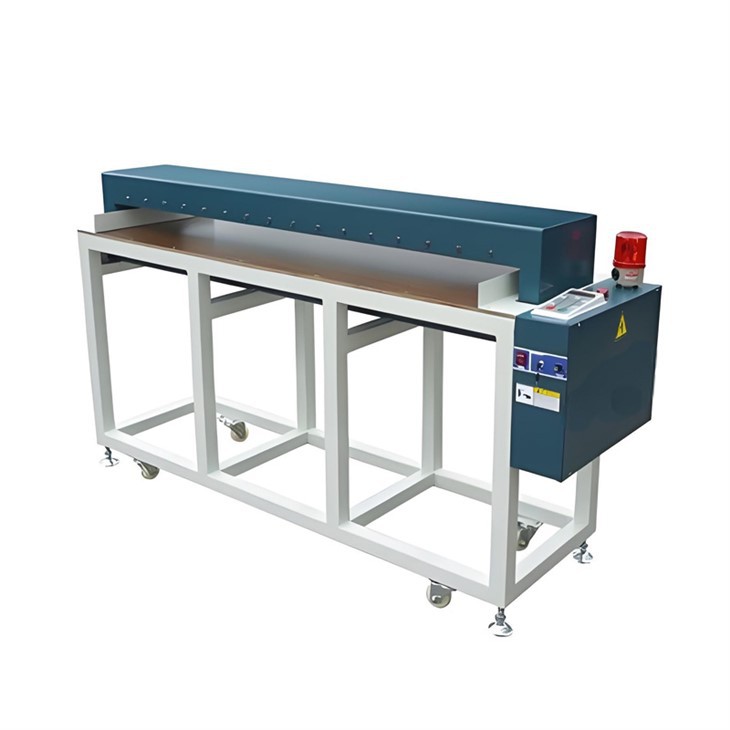
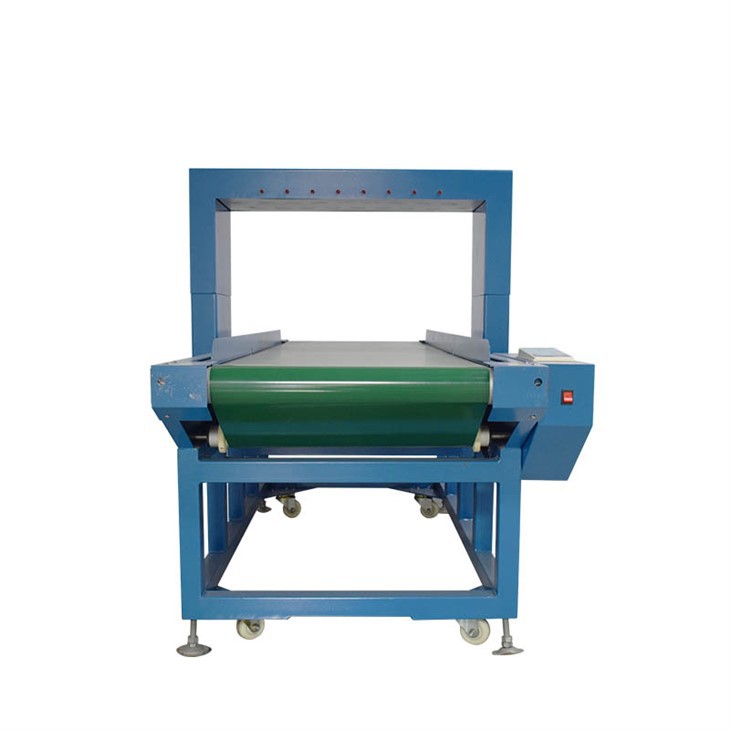
Understanding the Basics of a Garment Needle Detector
A garment needle detector is a specialized device designed to identify the presence of metal needles or other ferrous and non - ferrous metal fragments within garments or textile products. These detectors use advanced electromagnetic induction technology to sense the presence of metal objects. When a metal object passes through the detection zone of the needle detector, it disrupts the electromagnetic field, triggering a signal output.
Types of Signal Outputs
There are several types of signal outputs that a garment needle detector can generate, each serving a specific purpose.
Audible Signals
One of the most common signal outputs is an audible alarm. When a metal object is detected, the needle detector emits a loud, distinct sound. This is an immediate alert to the operator that there is a potential problem with the product. The advantage of an audible signal is that it can be heard even in a noisy factory environment, ensuring that the operator is quickly notified. For example, in a large - scale garment manufacturing facility where multiple machines are running simultaneously, an audible alarm can cut through the background noise and draw attention to the issue.
Visual Signals
In addition to audible signals, garment needle detectors also provide visual cues. These can include flashing lights or illuminated indicators on the control panel. Visual signals are particularly useful in situations where the operator may not be able to hear the audible alarm clearly, such as when wearing hearing protection. For instance, in a high - decibel work area, the flashing lights can clearly indicate that a metal object has been detected. Some advanced needle detectors also display detailed information on a digital screen, such as the approximate location of the metal within the garment and the size of the detected object.
Electrical Signals
Electrical signals are another important output of a garment needle detector. These signals can be used to interface with other equipment in the production line. For example, when a metal object is detected, the needle detector can send an electrical signal to a conveyor system, causing it to stop automatically. This prevents the contaminated product from moving further down the production line, reducing the risk of the defective product being packaged and shipped. Electrical signals can also be used to trigger other safety mechanisms, such as activating a reject system that removes the detected product from the line.
How the Signal Output is Generated
The generation of the signal output in a garment needle detector is a complex process that involves several key components.
Detection Coils
At the heart of the needle detector are the detection coils. These coils generate an electromagnetic field. When a metal object passes through this field, it changes the magnetic properties of the field. The detector continuously monitors the changes in the field and compares them to a baseline value. If the change exceeds a pre - set threshold, it indicates the presence of a metal object.
Signal Processing Unit
Once the detection coils sense a change in the electromagnetic field, the signal is sent to the signal processing unit. This unit analyzes the signal, filters out any background noise, and determines whether the detected signal is indeed due to a metal object. It then processes the signal to generate the appropriate output, whether it's an audible alarm, a visual signal, or an electrical signal.
Calibration
Calibration is a crucial step in ensuring accurate signal output. The needle detector needs to be calibrated regularly to account for changes in the environment, such as temperature and humidity, as well as variations in the products being tested. During calibration, the detector is adjusted to set the correct sensitivity level. If the sensitivity is set too high, the detector may generate false alarms. Conversely, if the sensitivity is set too low, it may fail to detect small metal objects.
Significance of Signal Output in the Garment Industry
The signal output of a garment needle detector is of utmost importance in the garment industry for several reasons.
Product Safety
The primary reason for using a needle detector is to ensure the safety of the end - user. Needles or metal fragments left in garments can pose a serious risk of injury, especially to children. By generating reliable signal outputs, the needle detector helps to prevent these hazardous products from reaching the market.
Quality Control
In addition to safety, signal output plays a vital role in quality control. Detecting and removing defective products early in the production process helps to maintain high - quality standards. This reduces the number of returns and customer complaints, which can have a significant impact on a company's reputation and bottom line.
Compliance with Regulations
Many countries and regions have strict regulations regarding the presence of metal objects in garments. Garment manufacturers are required to use needle detectors to ensure compliance. The accurate signal output of the needle detector provides evidence that the products have been properly inspected and meet the regulatory requirements.
Our Range of Garment Needle Detectors
As a supplier, we offer a wide range of garment needle detectors to meet the diverse needs of our customers. Our High Gantry Needle Detector is suitable for large - sized garments and bulk products. It provides reliable signal output and high - precision detection. The Non Driving Non - woven Needle Detector is designed specifically for non - woven fabrics, ensuring efficient and accurate detection. And our Metal Needle Inspector is a compact and versatile option for smaller - scale operations.
Conclusion
In conclusion, the signal output of a garment needle detector is a critical aspect of its functionality. It serves as the primary means of alerting operators to the presence of metal objects in garments, ensuring product safety, quality control, and regulatory compliance. Our range of needle detectors is designed to provide accurate and reliable signal outputs, helping our customers to maintain high - quality standards in their garment production.
If you're interested in learning more about our garment needle detectors or would like to discuss your specific requirements, we invite you to contact us for a detailed consultation. Our team of experts is ready to assist you in finding the perfect solution for your business.
References
- "Textile Testing Handbook" by B. K. Behera
- "Quality Control in Garment Manufacturing" by S. K. Das