

When it comes to the service life of a metal alarm, it's a topic that many of our customers are deeply concerned about. As a trusted metal alarm supplier, we understand the importance of providing long - lasting and reliable products. In this blog, we'll explore the factors that influence the service life of metal alarms, and share some tips on how to extend it.
Factors Affecting the Service Life of Metal Alarms
1. Quality of Components
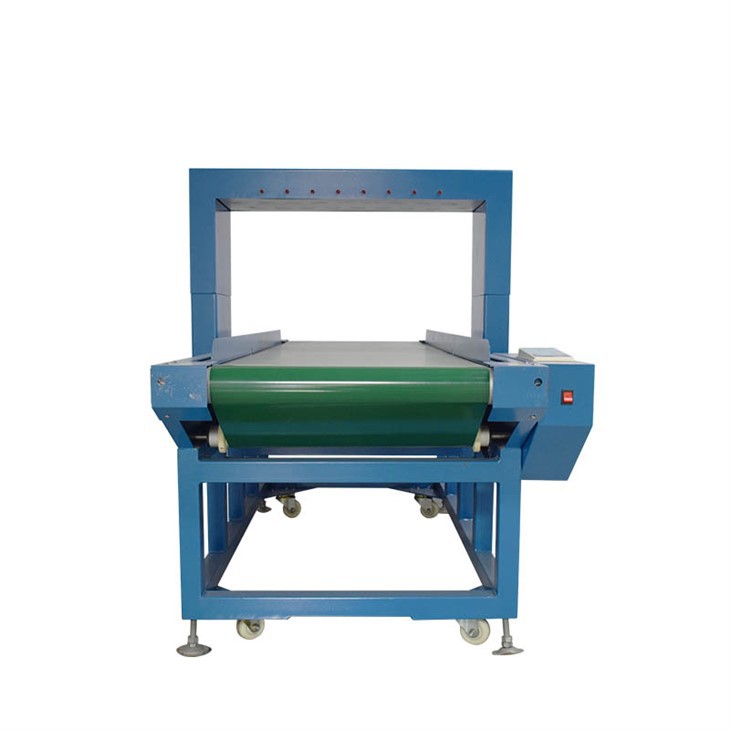
The quality of the components used in a metal alarm is a fundamental factor. High - end sensors, stable circuit boards, and durable casings are essential for a long - lasting product. For example, our Double Probe Needle Detector Double Probe Needle Detector is equipped with top - grade sensors that can accurately detect even the smallest metal objects. These sensors are designed to withstand continuous use and environmental factors, which significantly contribute to the overall service life of the detector.
2. Usage Frequency
The frequency of use directly impacts the service life of a metal alarm. If a metal alarm is used continuously for long hours every day, it will experience more wear and tear compared to one that is used only occasionally. For instance, in a large manufacturing plant where products are inspected at a high volume, the metal alarm may need to operate non - stop during working hours. In such cases, the components will be under constant stress, potentially shortening the service life. On the other hand, a metal alarm used in a small workshop with sporadic inspections may last much longer.
3. Environmental Conditions
The environment in which a metal alarm operates also plays a crucial role. Harsh environments with high humidity, extreme temperatures, dust, or corrosive substances can damage the internal components of the metal alarm. For example, in a food processing plant where there is high humidity and the presence of cleaning agents, the metal alarm needs to be resistant to corrosion. Our High Gantry Needle Detector High Gantry Needle Detector is designed to be robust enough to withstand such challenging environments, with a protective coating on its casing and sealed internal components.
4. Maintenance and Care
Proper maintenance and care can significantly extend the service life of a metal alarm. Regular cleaning, calibration, and inspection are essential. Dust and debris can accumulate inside the metal alarm over time, affecting its performance. By cleaning the external and internal parts regularly, we can prevent the build - up of dirt that may cause malfunctions. Calibration ensures that the metal alarm is accurate in detecting metal objects. If a metal alarm is not calibrated correctly, it may give false alarms or fail to detect actual metal contaminants, which can put unnecessary stress on the components.
Average Service Life Expectations
Under normal usage conditions, which include moderate usage frequency, a relatively stable environment, and proper maintenance, a high - quality metal alarm can last anywhere from 5 to 10 years. However, this is just an average estimate. Some metal alarms may last longer if they are used sparingly and well - maintained, while others in more demanding environments may need to be replaced sooner.
For example, our Non Driving Non - woven Needle Detector Non Driving Non-woven Needle Detector, when used in a standard non - woven fabric production facility with regular maintenance, has been known to serve our customers for over 8 years.
Tips to Extend the Service Life of Metal Alarms
1. Follow the Manufacturer's Instructions
The manufacturer's instructions provide detailed information on how to use, maintain, and store the metal alarm. By following these instructions carefully, users can ensure that the metal alarm operates within its designed parameters, reducing the risk of damage. For example, the instructions may specify the correct power supply voltage, the appropriate cleaning agents to use, and the recommended calibration intervals.
2. Train the Operators
Properly trained operators are less likely to misuse the metal alarm. They should be educated on how to handle the equipment gently, how to load products onto the conveyor belt (if applicable) without causing excessive vibration, and how to respond to error messages. Training can also include safety procedures to prevent accidental damage to the metal alarm.

3. Use Surge Protectors
Power surges can damage the electronic components of a metal alarm. By using surge protectors, we can protect the metal alarm from sudden voltage spikes that may occur due to electrical problems in the building or power grid. This simple measure can significantly reduce the risk of component failure and extend the service life of the metal alarm.
4. Keep a Maintenance Log
Maintaining a log of all maintenance activities, including cleaning, calibration, and component replacements, can help track the history of the metal alarm. This log can be useful for predicting when certain components may need to be replaced and for demonstrating compliance with quality control standards.
Conclusion
The service life of a metal alarm is influenced by multiple factors, including component quality, usage frequency, environmental conditions, and maintenance. As a metal alarm supplier, we are committed to providing products that are built to last. Our range of metal alarms, such as the Double Probe Needle Detector, High Gantry Needle Detector, and Non Driving Non - woven Needle Detector, are designed with high - quality components and robust construction to withstand various usage scenarios.
If you are in the market for a reliable metal alarm or need advice on extending the service life of your existing equipment, we invite you to contact us for a procurement discussion. Our team of experts is ready to assist you in finding the best solution for your specific needs.
References
- "Industrial Metal Detection Handbook", published by a leading industry association.
- Research papers on the durability of electronic components in harsh environments.