

In the dynamic landscape of modern healthcare, the role of an X-ray technician stands as a linchpin, bridging the gap between medical inquiry and diagnostic clarity. As an X-ray supplier deeply entrenched in this field, I've witnessed firsthand the indispensable contributions these professionals make to the medical ecosystem. In this blog, I'll delve into the multifaceted role of an X-ray technician, exploring their responsibilities, skills, and the impact they have on patient care.
Patient Interaction and Preparation
At the heart of an X-ray technician's role is patient interaction. They are often the first point of contact for patients entering the radiology department, and their ability to establish a rapport and alleviate anxiety is crucial. When a patient arrives, the technician greets them warmly, explains the X-ray procedure in detail, and addresses any concerns they may have. This communication is essential not only for patient comfort but also for ensuring cooperation during the imaging process.
Once the patient is at ease, the technician proceeds with the preparation. This involves positioning the patient correctly on the X-ray table or against the imaging device. Proper positioning is vital to obtain clear and accurate images. For example, when performing an X-ray of Extremities, the technician must ensure that the limb is straight, the joints are properly aligned, and the patient remains still to avoid blurry images. They may also need to remove any jewelry or metal objects that could interfere with the X-ray, as these can create artifacts on the image and compromise the diagnostic value.
Equipment Operation and Maintenance
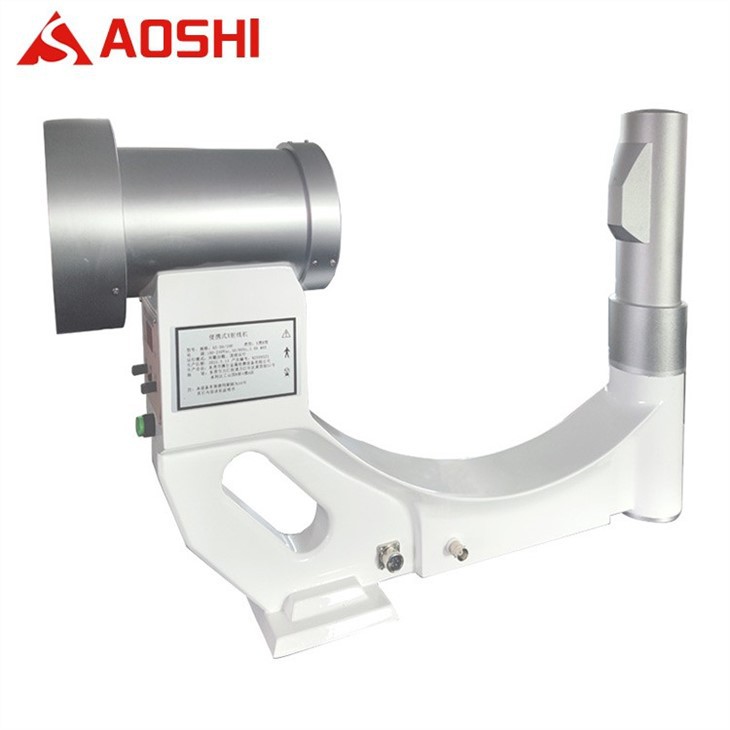
X-ray technicians are responsible for operating a variety of X-ray equipment, each with its own set of specifications and functions. They must be proficient in adjusting the settings of the X-ray machine to obtain the optimal image quality for different types of examinations. For instance, when using a Microfocal X-ray Machine, which is designed for high-resolution imaging of small structures, the technician needs to set the appropriate voltage, current, and exposure time to capture detailed images without overexposing or underexposing the patient.
In addition to operating the equipment, X-ray technicians are also tasked with its maintenance. They perform routine checks to ensure that the machine is functioning properly, clean the equipment regularly to prevent contamination, and report any malfunctions or technical issues to the appropriate personnel. By taking good care of the X-ray equipment, technicians not only ensure its longevity but also minimize the risk of errors and ensure the safety of the patients.
Image Acquisition and Quality Control
Once the patient is positioned and the equipment is set up, the X-ray technician takes the images. They must be able to capture multiple views of the area of interest to provide comprehensive information for the radiologist. For example, in a chest X-ray, the technician may take both a frontal and a lateral view to detect any abnormalities in the lungs, heart, or other thoracic structures.
After the images are taken, the technician reviews them to ensure their quality. They check for proper positioning, exposure, and clarity, and may retake the images if necessary. Quality control is an essential part of the X-ray technician's role, as inaccurate or low-quality images can lead to misdiagnosis and delay in treatment. By ensuring that the images are of high quality, technicians play a crucial role in providing accurate diagnostic information to the medical team.
Collaboration with the Medical Team
X-ray technicians work closely with other members of the medical team, including radiologists, physicians, and nurses. They communicate the patient's history, symptoms, and any relevant information to the radiologist, who then interprets the X-ray images and provides a diagnosis. The technician may also be involved in assisting the radiologist during more complex procedures, such as fluoroscopy or interventional radiology.
In addition to collaborating with the radiologist, X-ray technicians also work with physicians and nurses to provide patient care. They may assist in the preparation of the patient for other diagnostic tests or treatments, and may provide support and education to the patient and their family. By working as a team, the medical professionals can provide the best possible care for the patients.
Safety and Radiation Protection
One of the most important aspects of an X-ray technician's role is ensuring the safety of the patients and themselves. X-rays are a form of ionizing radiation, which can be harmful if not used properly. Therefore, X-ray technicians must follow strict safety protocols to minimize the exposure to radiation.
They use lead aprons, shields, and other protective devices to protect themselves and the patients from unnecessary radiation exposure. They also ensure that the X-ray equipment is properly calibrated and maintained to reduce the radiation dose. In addition, X-ray technicians are trained to use the ALARA (As Low As Reasonably Achievable) principle, which means that they use the lowest possible radiation dose to obtain the necessary diagnostic information.
Continuing Education and Professional Development
The field of radiology is constantly evolving, with new technologies and techniques being developed all the time. Therefore, X-ray technicians must stay up-to-date with the latest advancements in the field to provide the best possible care for their patients. They are required to complete continuing education courses to maintain their certification and license.
These courses cover a wide range of topics, including new X-ray equipment, imaging techniques, radiation safety, and patient care. By participating in continuing education, X-ray technicians can enhance their skills and knowledge, and improve the quality of their work.
The Impact of X-ray Technicians on Patient Care
The role of an X-ray technician has a profound impact on patient care. By providing accurate and high-quality X-ray images, they enable the radiologist to make a timely and accurate diagnosis. This, in turn, allows the physician to develop an appropriate treatment plan for the patient.
In addition to their diagnostic role, X-ray technicians also play a crucial role in patient comfort and safety. By establishing a good rapport with the patients, explaining the procedure clearly, and ensuring their comfort during the examination, they help to reduce the patient's anxiety and make the experience as stress-free as possible.

Conclusion
In conclusion, the role of an X-ray technician is diverse and challenging. They are responsible for patient interaction, equipment operation, image acquisition, quality control, collaboration with the medical team, safety, and continuing education. By performing these tasks with skill and precision, X-ray technicians play a vital role in providing accurate diagnostic information and ensuring the safety and well-being of the patients.
As an X-ray supplier, I understand the importance of having well-trained and experienced X-ray technicians. That's why we offer a wide range of high-quality X-ray equipment, including Microfocal X-ray Machine and Medical X-ray Machine, to meet the needs of different healthcare facilities. If you're interested in learning more about our products or would like to discuss your X-ray equipment requirements, please feel free to contact us for a procurement discussion.
References
- Bushong, S. C. (2012). Radiologic Science for Technologists: Physics, Biology, and Protection. Elsevier Health Sciences.
- Fauber, T. L. (2017). Radiographic Imaging and Exposure. Elsevier Health Sciences.
- Wall, B. F., & Fauber, T. L. (2019). Radiography in the Digital Age: Physics, Exposure, Radiation Biology. Elsevier Health Sciences.