

As a seasoned supplier in the field of garment needle detectors, I often receive inquiries about the detection speed of these essential machines. The detection speed of a garment needle detector is a critical factor that significantly impacts the efficiency and productivity of garment manufacturing processes. In this blog post, I will delve into the concept of detection speed, its influencing factors, and its importance in the garment industry.
Understanding Detection Speed
The detection speed of a garment needle detector refers to the rate at which the machine can scan and inspect garments for the presence of needles or other metallic objects. It is typically measured in units per minute or meters per minute, depending on the type of detector and the nature of the inspection process. For instance, a conveyor - type needle detector may measure its speed in meters per minute, indicating how fast the conveyor belt can move while still accurately detecting needles, while a handheld detector might be evaluated based on the number of garments it can scan per minute.
Factors Affecting Detection Speed
1. Machine Design and Technology
The design and technological capabilities of the needle detector play a crucial role in determining its detection speed. Advanced detectors are equipped with high - sensitivity sensors and sophisticated signal processing algorithms. These features allow the machine to quickly analyze the signals received from the sensors and make accurate determinations about the presence of metallic objects. For example, some modern Metal Needle Inspector models use digital signal processing (DSP) technology, which can significantly enhance the detection speed compared to older analog - based systems.
2. Sensitivity Settings
The sensitivity of the needle detector is directly related to its detection speed. Higher sensitivity settings are required to detect smaller needles or metallic fragments. However, increasing the sensitivity can also slow down the detection process as the machine needs to take more time to analyze the signals to avoid false positives. Manufacturers often need to strike a balance between sensitivity and speed based on the specific requirements of their production. For example, in a factory producing high - end garments where even the smallest needle fragment can cause significant damage, a lower detection speed with higher sensitivity may be preferred.
3. Garment Characteristics
The type, size, and material of the garments being inspected can also affect the detection speed. Bulky or thick garments may require more time for the detector to scan thoroughly, as the metallic objects may be buried deeper within the fabric. Similarly, garments made of conductive materials can interfere with the detector's signals, potentially reducing the detection speed as the machine needs to filter out the noise. For instance, a High Gantry Needle Detector may be more suitable for inspecting large - sized or bulky garments, but the inspection speed may be slightly lower compared to smaller, lighter garments.

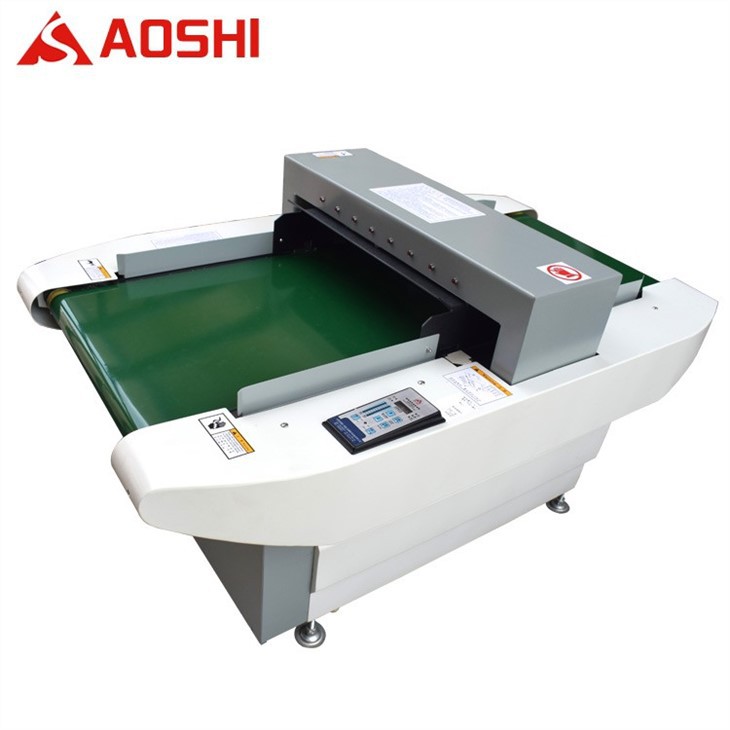
4. Conveyor System
In conveyor - based needle detectors, the speed of the conveyor system is a key factor in determining the overall detection speed. A faster conveyor belt can move more garments through the detector in a given time, but it also requires the detector to have a high enough processing speed to keep up. If the conveyor moves too fast, the detector may miss some metallic objects. Therefore, the conveyor speed needs to be carefully calibrated to match the capabilities of the detector.
Importance of Detection Speed in the Garment Industry
1. Productivity
In the highly competitive garment industry, productivity is a top priority. A fast - detecting needle detector can significantly increase the throughput of a garment production line. For example, if a needle detector can inspect 100 garments per minute instead of 50, the overall production output can be doubled, allowing manufacturers to meet larger orders in a shorter time frame.
2. Cost - Efficiency
Faster detection speeds can also lead to cost savings. By reducing the time required for inspection, manufacturers can save on labor costs. Additionally, a more efficient inspection process means fewer bottlenecks in the production line, reducing the chances of production delays and associated costs.
3. Quality Control
While speed is important, it should not come at the expense of quality control. A reliable needle detector with an appropriate detection speed ensures that all garments leaving the factory are free from needles or metallic objects. This helps to maintain the brand reputation of the garment manufacturer and reduces the risk of product recalls, which can be extremely costly.
Different Types of Garment Needle Detectors and Their Typical Detection Speeds
1. Handheld Needle Detectors
Handheld needle detectors are often used for spot - checking or for inspecting small batches of garments. They are relatively portable and easy to use. The detection speed of handheld detectors typically ranges from 20 - 50 garments per minute, depending on the operator's skill and the complexity of the garments.
2. Conveyor - Type Needle Detectors
Conveyor - type needle detectors are commonly used in large - scale garment production facilities. These detectors can have a wide range of detection speeds, from 20 - 100 meters per minute. The Long Strip Needle Inspection Machine is a type of conveyor - based detector that is designed for inspecting long strips of fabric, and its speed can be adjusted according to the specific requirements of the production line.
Conclusion
The detection speed of a garment needle detector is a multi - faceted concept that is influenced by various factors such as machine design, sensitivity settings, garment characteristics, and conveyor system. It is of utmost importance in the garment industry as it directly impacts productivity, cost - efficiency, and quality control. As a supplier of garment needle detectors, we understand the diverse needs of our customers and offer a range of products with different detection speeds to meet various production requirements.
If you are in the garment manufacturing industry and are looking for a reliable needle detector with the right detection speed for your production line, we would be more than happy to assist you. Contact us to discuss your specific needs and explore our range of high - quality needle detection solutions.
References
- "Garment Inspection Technology: Advancements and Applications" - Journal of Textile Engineering
- "The Impact of Detection Speed on Garment Production Efficiency" - International Journal of Apparel Manufacturing