

Exploring cemeteries with a toy metal detector can be an unexpectedly rewarding and educational experience. As a supplier of high - quality toy metal detectors, I've had numerous customers share their exciting finds and stories from these solemn grounds. In this blog, I'll delve into what you might discover when you take one of our toy metal detectors to a cemetery.
Historical Artifacts
Cemeteries are often centuries old, and over time, various historical artifacts can find their way into the ground. One of the most common items you might uncover is old coins. These could range from pre - decimal coins in countries like the UK to early colonial coins in the United States. For example, in some American cemeteries, there's a chance of finding large cents, which were minted from 1793 to 1857. These coins are not only valuable in terms of numismatic worth but also offer a tangible link to the past.
Buttons are another common find. In the 19th and early 20th centuries, buttons were made from a variety of materials such as bone, horn, and metal. Military buttons, in particular, can be quite interesting. They often bear the insignia of different regiments or military branches. Finding a military button in a cemetery could potentially be associated with a veteran buried there, adding a personal and historical touch to the discovery.
Brooches and hairpins are also possibilities. Victorian brooches, with their intricate designs and use of precious metals and gemstones, are highly sought after by collectors. Even simple hairpins can tell a story about the fashion trends of the era. They were often made of brass, silver, or even gold - plated materials.
Personal Keepsakes
Cemeteries are places where people come to remember and honor their loved ones. It's not uncommon for visitors to leave behind personal keepsakes at the gravesites. These can include small tokens like lockets, which might have held a photograph of the deceased or a lock of their hair. A locket found in a cemetery could be a deeply emotional discovery, as it was once a cherished item for someone mourning the loss of a family member or friend.
Rings are another type of personal keepsake that could be buried in the ground. Wedding rings, in particular, carry a lot of sentimental value. They could have been accidentally dropped by a mourner or perhaps buried with the deceased. Finding a ring in a cemetery can be a powerful reminder of the love and relationships that endured even after death.
Small religious artifacts are also frequently left at graves. These can include crosses, rosaries, or medallions. They represent the faith and spiritual beliefs of the people visiting the cemetery and can provide insights into the religious practices of the time.
Tools and Miscellaneous Items
In addition to historical artifacts and personal keepsakes, you might also come across tools or other miscellaneous items. Nails and screws are common finds. They could have come from the maintenance of grave markers, fences, or other structures in the cemetery. These seemingly mundane items can still be interesting from a historical perspective, as they can indicate the type of construction materials and techniques used in the past.
Pieces of metal from old wagons or carriages are also possible. Cemeteries were often located on the outskirts of towns in the past, and roads near them would have seen a lot of traffic. Worn - out parts from vehicles could have fallen off and been buried over time.
The Role of Our Toy Metal Detectors
Our toy metal detectors are designed to make these discoveries possible. They are equipped with advanced technology that can detect a wide range of metals, from small coins to larger artifacts. The detectors are lightweight and easy to use, making them suitable for both children and adults. Whether you're a history enthusiast looking to uncover the secrets of the past or a family on a fun outdoor adventure, our toy metal detectors are the perfect tool.

We also offer a range of accessories to enhance your detecting experience. For example, we have specialized headphones that can help you hear the faint signals more clearly, especially in noisy environments. Additionally, our detectors come with adjustable sensitivity settings, allowing you to fine - tune the device according to the type of terrain and the objects you're hoping to find.
Related Products
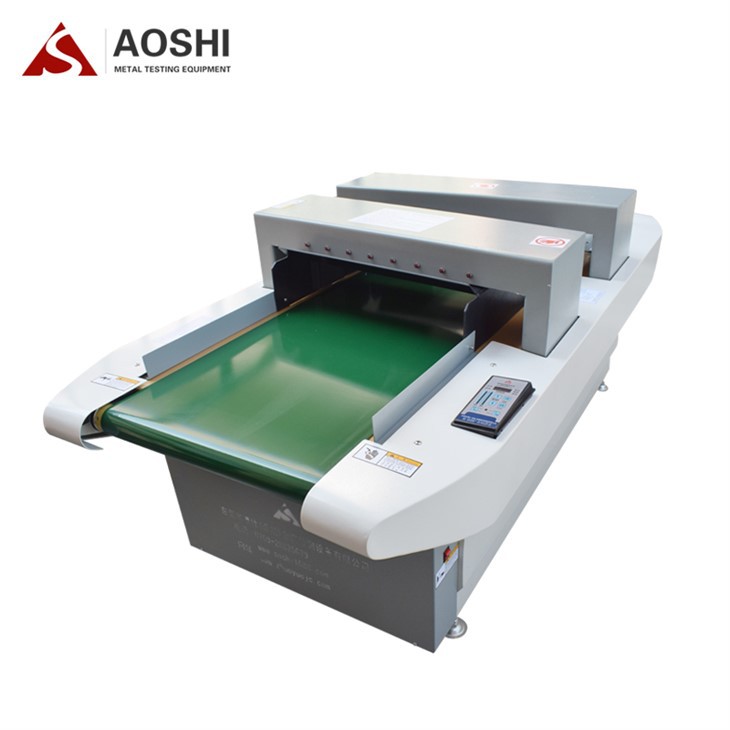
If you're interested in other metal - detecting products, we also have a range of industrial - grade metal detectors. Check out our Wide Width Needle Inspection Machine, which is designed for high - volume production lines. It can quickly and accurately detect metal needles in various materials. Our Double Probe Needle Detector offers enhanced sensitivity and reliability, making it ideal for industries where precision is crucial. And for those dealing with long - strip materials, our Long Strip Needle Inspection Machine is the perfect solution.
Ethical and Legal Considerations
Before you head out to a cemetery with your toy metal detector, it's important to be aware of the ethical and legal considerations. Always obtain permission from the cemetery management before using a metal detector. Cemeteries are sacred places, and it's essential to respect the privacy and dignity of the deceased and their families.
When you make a discovery, handle the items with care. If you believe an item might be of historical significance, consider contacting local historical societies or museums. They can provide guidance on how to preserve and document the find properly.
Conclusion
Exploring cemeteries with a toy metal detector can be a fascinating and rewarding experience. From historical artifacts to personal keepsakes, there's a wealth of treasures waiting to be discovered. As a supplier of toy metal detectors, we're committed to providing you with the best tools to make these adventures possible. If you're interested in purchasing one of our toy metal detectors or learning more about our products, we encourage you to reach out for a procurement discussion. Our team is ready to assist you in finding the perfect detector for your needs.
References
- "The History of Coinage in America" by John Kleeberg
- "Victorian Jewelry: A Guide to Identification and Value" by Diana Scarisbrick
- Local cemetery records and historical archives