

In the pharmaceutical industry, ensuring product safety and quality is of utmost importance. Metal contamination in pharmaceutical products can pose serious risks to patients, ranging from minor injuries to life - threatening situations. This is where metal alarms play a crucial role. As a metal alarm supplier, I understand the strict standards that pharmaceutical factories must adhere to when it comes to these devices.
Regulatory Requirements
Pharmaceutical manufacturing is heavily regulated by various national and international bodies. For example, the United States Food and Drug Administration (FDA) and the European Medicines Agency (EMA) have set comprehensive guidelines for pharmaceutical safety. These guidelines mandate that pharmaceutical products be free from any foreign contaminants, including metals.
The FDA's Current Good Manufacturing Practice (cGMP) regulations require manufacturers to implement appropriate control measures to prevent, detect, and remove metal contaminants. Metal alarms are an essential part of these control measures. They must be able to detect even the smallest metal particles, as even a tiny piece of metal can cause harm if ingested by a patient.
Sensitivity Standards
One of the most critical aspects of metal alarms in pharmaceutical factories is their sensitivity. The sensitivity of a metal alarm refers to its ability to detect metal particles of different sizes and types. In pharmaceutical applications, the sensitivity requirements are extremely high.
For ferrous metals (such as iron), the metal alarm should be able to detect particles as small as 0.2 - 0.5 millimeters. Non - ferrous metals, like aluminum and copper, also need to be detected at similarly small sizes. Stainless steel, which is commonly used in pharmaceutical manufacturing equipment, presents a particular challenge due to its low magnetic permeability. Metal alarms must be calibrated to detect stainless steel particles as small as 0.3 - 0.8 millimeters.
To achieve such high sensitivity, modern metal alarms use advanced technologies such as multiple - frequency detection. This technology allows the alarm to distinguish between different types of metals and ignore non - metallic substances, reducing false alarms.
False Alarm Rates
False alarms can be a significant problem in pharmaceutical factories. They can disrupt the production process, leading to delays and increased costs. Therefore, metal alarms must have a very low false alarm rate.
A false alarm occurs when the metal alarm detects something that is not actually metal or when it is triggered by normal variations in the product. To minimize false alarms, metal alarms are designed with sophisticated filtering algorithms. These algorithms analyze the signals received from the detection coils and can distinguish between real metal contaminants and other sources of interference.
In addition, the installation and calibration of the metal alarm are crucial. The alarm should be installed in an area where it is not exposed to excessive vibration, electromagnetic interference, or other factors that could cause false alarms. Regular maintenance and calibration are also necessary to ensure that the alarm continues to operate accurately.
Hygiene and Cleanability
Pharmaceutical factories have strict hygiene standards to prevent the growth of bacteria and other microorganisms. Metal alarms used in these facilities must be designed to meet these hygiene requirements.
The materials used in the construction of the metal alarm should be non - porous and easy to clean. Stainless steel is a commonly used material because it is resistant to corrosion and can be easily sanitized. The alarm should also be designed to prevent the accumulation of dust, debris, and product residues.
Some metal alarms are designed with a smooth, rounded exterior and minimal crevices to make cleaning easier. They may also be equipped with removable parts that can be disassembled for thorough cleaning.
Compatibility with Pharmaceutical Processes
Metal alarms must be compatible with the various pharmaceutical processes. For example, in tablet manufacturing, the metal alarm should be able to handle the high - speed flow of tablets without causing any damage to the products. It should also be able to detect metal contaminants in different forms, such as powder, granules, or liquid.
In addition, the metal alarm should not interfere with the normal operation of other equipment in the pharmaceutical factory. It should be able to integrate seamlessly with the production line, allowing for continuous and efficient operation.
Testing and Validation
Before a metal alarm can be used in a pharmaceutical factory, it must undergo rigorous testing and validation. This process ensures that the alarm meets all the required standards and performs as expected.
The testing typically includes sensitivity testing, false alarm rate testing, and durability testing. Sensitivity testing involves passing samples containing known metal particles through the alarm to verify its ability to detect them. False alarm rate testing is carried out by passing non - contaminated samples through the alarm to ensure that it does not trigger false alarms.
Validation is a more comprehensive process that involves documenting and demonstrating that the metal alarm is suitable for its intended use. This may include conducting risk assessments, establishing operating procedures, and performing regular performance checks.
Our Metal Alarm Solutions
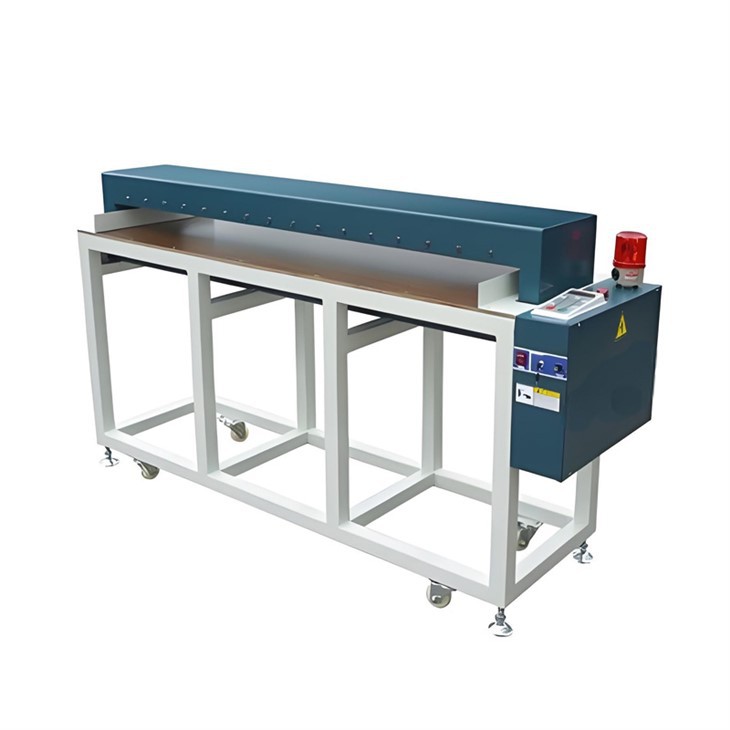
As a metal alarm supplier, we offer a range of high - quality metal alarms that meet the strict standards of pharmaceutical factories. Our Non Driving Non - woven Needle Detector is designed for detecting metal needles in non - woven materials, which is particularly useful in the production of pharmaceutical packaging materials. It has high sensitivity and low false alarm rates, ensuring reliable performance.
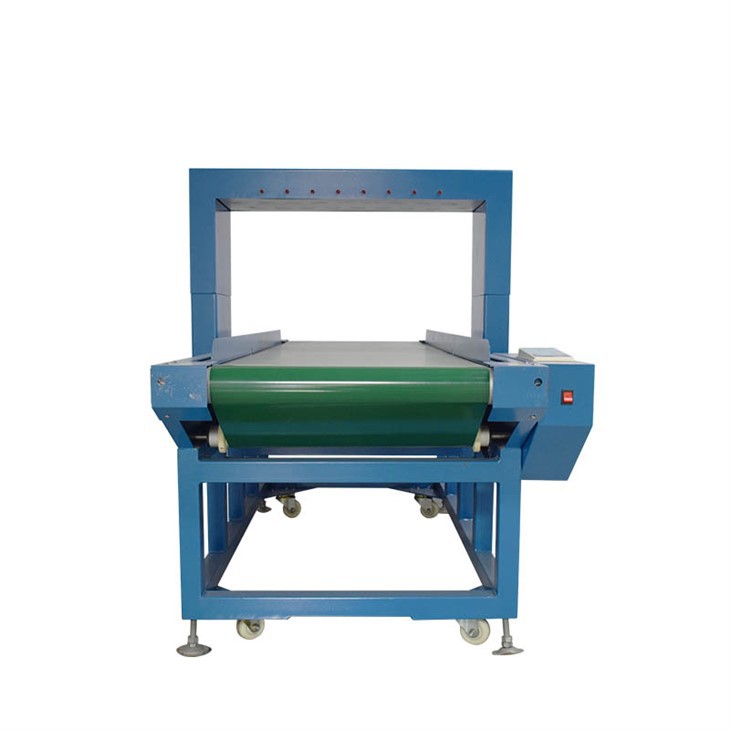
Our High Gantry Needle Detector is suitable for large - scale pharmaceutical production lines. It can detect metal contaminants in a wide range of products, including bulk powders and large - sized containers. With its advanced technology, it provides accurate and efficient detection.
The Long Strip Needle Inspection Machine is ideal for inspecting long - strip products, such as pharmaceutical blister packs. It can detect even the smallest metal particles along the length of the strip, ensuring the safety of the products.
Conclusion
In conclusion, the strict standards for metal alarms in pharmaceutical factories are essential for ensuring product safety and quality. These standards cover aspects such as sensitivity, false alarm rates, hygiene, compatibility with pharmaceutical processes, and testing and validation. As a metal alarm supplier, we are committed to providing high - quality products that meet these standards.
If you are a pharmaceutical factory looking for reliable metal alarm solutions, we invite you to contact us for more information and to discuss your specific requirements. Our team of experts will be happy to assist you in finding the best metal alarm for your production line.
References
- United States Food and Drug Administration. Current Good Manufacturing Practice (cGMP) regulations.
- European Medicines Agency. Guidelines for pharmaceutical safety.
- Industry standards for metal detection in pharmaceutical manufacturing.