

Hey there! As a supplier of Medical X-ray Machine, I often get asked about the storage requirements for these essential pieces of medical equipment. So, I thought I'd put together this blog post to share some insights on what you need to consider when storing a medical X-ray machine.
Why Proper Storage Matters
First off, let's talk about why proper storage is so important. Medical X-ray machines are high-tech, delicate devices. They're made up of sensitive components that can be easily damaged by improper storage conditions. If not stored correctly, these machines may experience malfunctions, which can lead to inaccurate results and, in the worst-case scenario, pose risks to patients. Moreover, proper storage can extend the lifespan of the machine, saving you money in the long run.
Temperature and Humidity
One of the most critical factors in storing a medical X-ray machine is controlling the temperature and humidity of the storage area. Extreme temperatures can cause the machine's components to expand or contract, which may lead to misalignments or even damage. High humidity can promote the growth of mold and mildew, which can corrode the machine's parts and electronics.
For most medical X-ray machines, the ideal storage temperature ranges from 10°C to 30°C (50°F to 86°F). The relative humidity should be kept between 30% and 70%. To maintain these conditions, you might need to use a climate-controlled storage facility or install a temperature and humidity control system in your storage area. For example, a dehumidifier can help reduce humidity levels during the rainy season, while an air conditioner can keep the temperature in check during hot summers.
Ventilation
Good ventilation is also crucial for storing a medical X-ray machine. Ventilation helps to prevent the buildup of heat and moisture, which can damage the machine. It also helps to remove any potentially harmful gases or fumes that may be emitted by the machine or other equipment in the storage area.
Make sure the storage area has adequate ventilation. You can achieve this by installing vents or fans. If possible, the storage area should have a fresh air intake and an exhaust system to ensure proper air circulation. Avoid storing the X-ray machine in a closed, stuffy room, as this can lead to overheating and moisture buildup.
Protection from Physical Damage
Medical X-ray machines are heavy and bulky, but they're also quite fragile. They need to be protected from physical damage during storage. This means keeping them away from areas where they might be bumped, knocked over, or dropped.
When storing the machine, make sure it's placed on a stable, level surface. If the machine is stored on a cart or stand, ensure that the wheels are locked to prevent it from rolling. You may also want to use padding or protective covers to prevent scratches and dents. Additionally, keep the storage area clean and free of clutter to reduce the risk of accidental damage.
Power Supply and Electrical Considerations
Even when not in use, medical X-ray machines need to be stored in a way that protects their electrical components. Make sure the machine is unplugged from the power source during storage to prevent electrical surges or short circuits. If the machine has a battery, follow the manufacturer's instructions on how to store the battery properly.
It's also a good idea to store the machine in an area where it won't be exposed to water or other liquids. Water can cause electrical shorts and damage the machine's internal components. If the storage area is prone to flooding or leaks, consider using a raised platform or storage cabinet to keep the machine dry.
Security
Security is another important aspect of storing a medical X-ray machine. These machines are valuable pieces of equipment, and they need to be protected from theft and unauthorized access.
Store the machine in a locked room or storage facility. If possible, install a security system, such as an alarm or surveillance cameras, to monitor the storage area. Keep a record of who has access to the storage area and when they enter. This can help you track the movement of the machine and ensure its security.
Different Types of X-ray Machines and Their Storage Needs
It's worth noting that different types of X-ray machines may have slightly different storage requirements. For example, Portable X-ray Machine are designed to be more mobile, but they still need to be stored properly. These machines are often smaller and more lightweight, but they may be more prone to damage if not handled carefully.
On the other hand, Microfocal X-ray Machine are highly specialized and may require even more precise storage conditions. These machines are used for high-resolution imaging and have very sensitive components that need to be protected from vibration and temperature fluctuations.
Maintenance During Storage
Even when the X-ray machine is in storage, it's important to perform regular maintenance checks. This can help you identify any potential problems before they become serious.
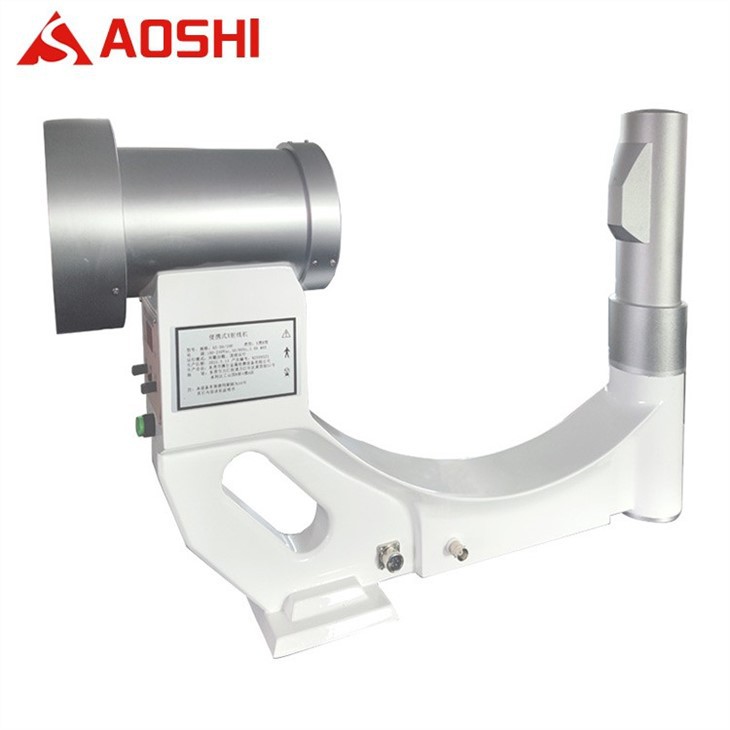

Check the machine for any signs of damage, such as cracks, dents, or loose parts. Inspect the electrical cords and connections for any signs of wear or damage. If you notice any issues, contact the manufacturer or a qualified technician for repairs.
It's also a good idea to run a diagnostic test on the machine periodically. This can help you ensure that the machine is still functioning properly and that all its components are in good working order.
Conclusion
In conclusion, storing a medical X-ray machine properly is essential for its performance, longevity, and safety. By controlling the temperature and humidity, providing adequate ventilation, protecting it from physical damage, considering electrical safety, ensuring security, and performing regular maintenance, you can keep your X-ray machine in top condition.
If you're in the market for a medical X-ray machine or need more information on storage requirements, feel free to reach out to us. We're here to help you make the right choice and ensure that your machine is stored and maintained properly. Let's have a chat about your specific needs and see how we can assist you in your procurement process.
References
- Manufacturer's manuals for medical X-ray machines
- Industry standards and guidelines for medical equipment storage