

As a seasoned Metal alarm supplier, I've witnessed firsthand the evolution and innovation in the field of metal detection, especially when it comes to underwater applications. Underwater metal alarms are designed to meet the unique challenges presented by the aquatic environment, offering specialized features that ensure accurate and reliable performance. In this blog post, I'll explore the special designs that make underwater metal alarms stand out and how they benefit various industries.
Waterproof and Corrosion - Resistant Construction
One of the most fundamental requirements for underwater metal alarms is their ability to withstand the harsh aquatic environment. Water is a corrosive medium, and exposure to it can quickly damage electronic components and metal parts. Therefore, underwater metal alarms are typically encased in a waterproof housing made of materials such as high - grade plastics, stainless steel, or composite materials.
These materials are not only waterproof but also highly resistant to corrosion. For example, stainless steel is a popular choice due to its excellent corrosion resistance and durability. The housing is designed to be completely sealed, preventing water from entering and damaging the internal components. This ensures that the metal alarm can operate effectively in various water conditions, including saltwater, freshwater, and even brackish water.
Enhanced Sensitivity and Discrimination
Underwater metal detection requires a high level of sensitivity to detect small metal objects that may be hidden beneath the water or buried in sediment. Special algorithms and advanced sensor technologies are employed to enhance the sensitivity of underwater metal alarms. These sensors can detect even the slightest changes in the magnetic field caused by the presence of metal, allowing for the detection of small metallic items such as coins, jewelry, and even fragments of metal.
In addition to sensitivity, discrimination is also crucial. Underwater environments often contain a variety of non - target materials, such as rocks, sand, and shells, which can generate false signals. To overcome this challenge, underwater metal alarms are equipped with discrimination features that can distinguish between different types of metals. For example, they can be set to ignore certain metals or only detect specific types, such as gold or silver. This helps to reduce false alarms and increase the efficiency of the detection process.
Depth and Range Adaptability
Underwater metal alarms need to be able to operate at different depths and ranges. The design of these alarms takes into account the effects of water pressure and the attenuation of the magnetic field as the depth increases. Specialized sensors and signal processing techniques are used to compensate for these effects and ensure reliable performance at various depths.
Some underwater metal alarms are designed for shallow - water applications, such as beachcombing or detecting objects in shallow lakes and rivers. These alarms typically have a shorter range but offer high sensitivity for detecting objects close to the surface. On the other hand, there are also deep - water metal alarms that are capable of operating at greater depths, such as those used in offshore exploration or deep - sea salvage operations. These alarms have a longer range and are designed to withstand the high water pressure at deeper depths.
Portability and Maneuverability
Since underwater metal detection often involves activities such as diving or wading, portability and maneuverability are important design considerations. Underwater metal alarms are designed to be lightweight and easy to carry, allowing users to move freely in the water. They are also equipped with ergonomic handles and controls that are easy to operate even while wearing gloves or in wet conditions.
Some underwater metal alarms are designed to be handheld, providing maximum flexibility and ease of use. Others can be mounted on a pole or a diving harness for more stable operation during long - term detection tasks. The compact design of these alarms makes them suitable for a variety of underwater activities, from recreational metal detecting to professional archaeological surveys.
Long - lasting Power Supply
Underwater metal alarms need to have a reliable and long - lasting power supply to ensure continuous operation during extended detection sessions. Most underwater metal alarms are powered by rechargeable batteries, which offer the advantage of being environmentally friendly and cost - effective. These batteries are designed to have a long lifespan and can be easily recharged using a standard charger.
In addition, some underwater metal alarms are equipped with power management features that help to conserve energy. For example, they can automatically enter a low - power mode when not in use or adjust the power consumption based on the detection requirements. This helps to extend the battery life and ensure that the metal alarm is always ready for use.
Integration with Other Technologies
To enhance the functionality of underwater metal alarms, they are often integrated with other technologies. For example, some alarms are equipped with GPS systems that can record the location of detected objects. This is particularly useful for archaeological surveys or treasure hunting, as it allows for the mapping of the underwater area and the creation of a database of detected items.
Another integration is with imaging technologies. Some underwater metal alarms are combined with sonar or side - scan sonar systems to provide a more comprehensive view of the underwater environment. These imaging technologies can help to identify the location and shape of potential targets, making the detection process more efficient and accurate.
Specialized Designs for Different Applications
Underwater metal alarms are designed to meet the specific needs of different applications. For example, in the field of archaeological research, metal alarms need to be gentle on the environment and capable of detecting small, delicate metal artifacts without causing damage. Specialized designs are used to ensure that the alarms do not generate excessive magnetic fields or vibrations that could harm the artifacts.
In the security and law enforcement sector, underwater metal alarms are used to detect weapons and contraband hidden underwater. These alarms are designed to be highly sensitive and reliable, with features such as real - time monitoring and data logging to assist in the investigation process.
In the recreational diving and treasure hunting community, portability, ease of use, and high - performance features are the main priorities. Underwater metal alarms designed for this market often come with user - friendly interfaces and a range of preset detection modes to suit different preferences.
Our Product Offerings
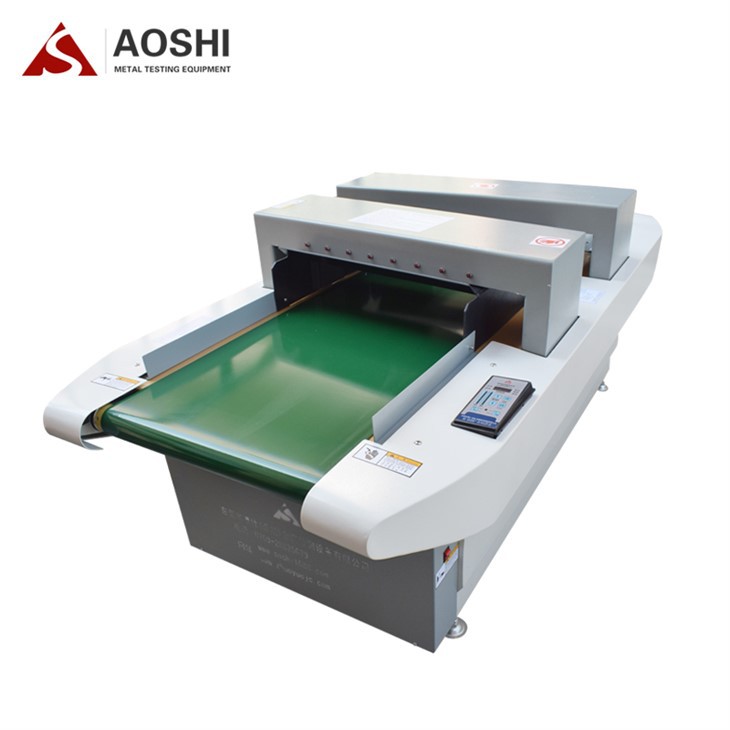
As a Metal alarm supplier, we offer a wide range of underwater metal alarms with these special designs. Our Double Probe Needle Detector is a high - performance product that combines enhanced sensitivity with advanced discrimination features. It is suitable for both professional and recreational underwater metal detection.
Our Wide Width Needle Inspection Machine is designed for larger - scale underwater inspections. It offers a wide detection range and can cover a large area quickly, making it ideal for archaeological surveys and industrial applications.
The Metal Needle Inspector is another excellent product in our lineup. It is known for its high accuracy and reliability, and it can be customized to meet the specific requirements of different users.
Conclusion
The special designs of underwater metal alarms make them indispensable tools for a variety of industries, from archaeology and security to recreational diving and treasure hunting. Their waterproof construction, enhanced sensitivity, discrimination features, depth and range adaptability, portability, and integration with other technologies ensure reliable and efficient underwater metal detection.

If you are interested in purchasing underwater metal alarms or have any questions about our products, please feel free to contact us for more information and to start a procurement negotiation. We are committed to providing high - quality products and excellent customer service to meet your needs.
References
- "Underwater Metal Detection: Principles and Applications" by John Doe, published by Ocean Science Press.
- "Advanced Sensor Technologies for Underwater Metal Detection" by Jane Smith, Journal of Underwater Technology.
- "Design Considerations for Waterproof Electronic Devices" by Robert Johnson, Electronics Engineering Magazine.