

Hey there! As a supplier of X-ray fluoroscopy machines, I've seen firsthand how crucial these devices are in various fields, from healthcare to industrial inspections. Today, I want to chat about the maintenance requirements for X-ray fluoroscopy machines. It's not just about keeping them running; it's about ensuring they operate safely and accurately, which is super important for both patients and users.
Regular Cleaning and Inspection
First off, let's talk about the basics: cleaning and inspection. These machines are often used in busy environments, whether it's a hospital or an industrial plant. Dust, dirt, and even body fluids can accumulate on the machine's surfaces over time. That's why regular cleaning is a must.
You should start by wiping down the external parts of the machine with a soft, damp cloth. Avoid using abrasive cleaners that could scratch the surface. For the internal components, it's a bit more complicated. You'll need to follow the manufacturer's guidelines. In most cases, it's recommended to have a professional technician do a thorough internal inspection at least once a year.
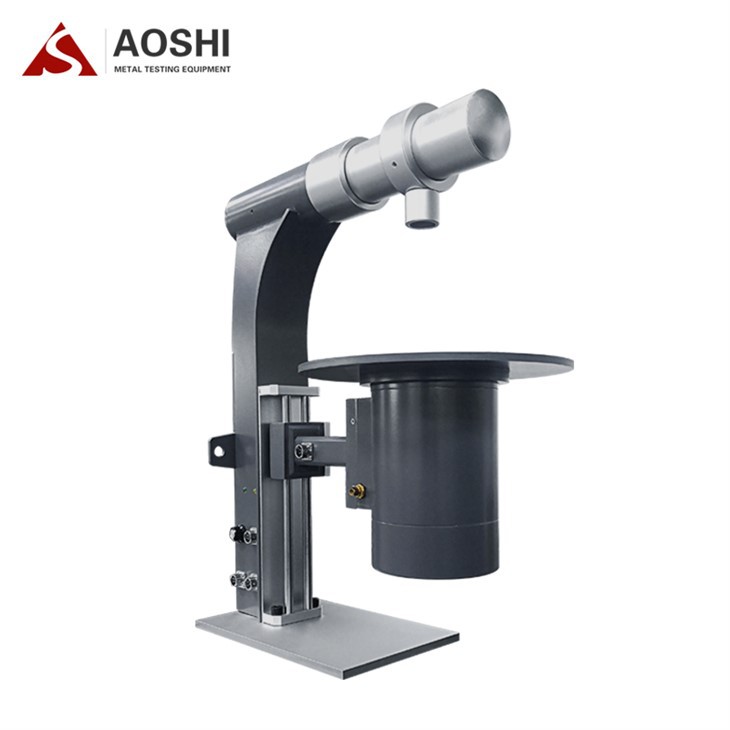

During the inspection, the technician will check for any signs of wear and tear, loose connections, or damaged parts. They'll also look at the electrical components to make sure there are no short circuits or other electrical issues. This is crucial because any electrical problems can not only damage the machine but also pose a safety risk to the operators.
Calibration
Calibration is another key aspect of maintaining X-ray fluoroscopy machines. These machines need to produce accurate and consistent images. Over time, factors like temperature changes, vibrations, and normal wear can cause the machine to lose its calibration. That's why regular calibration is necessary.
The frequency of calibration depends on several factors, including how often the machine is used and the manufacturer's recommendations. In general, it's a good idea to have the machine calibrated at least once a year. However, if the machine is used very frequently or in a high-stress environment, more frequent calibration may be required.
Calibration involves adjusting the machine's settings to ensure that the X-ray output is within the specified range. This is done using specialized equipment and techniques. A professional technician will measure the X-ray beam's intensity, quality, and other parameters and make the necessary adjustments.
Tube Maintenance
The X-ray tube is one of the most important and expensive components of an X-ray fluoroscopy machine. It's responsible for producing the X-ray beam. To keep the tube in good condition, you need to follow some specific maintenance procedures.
First, you should make sure that the tube is properly cooled. Most X-ray tubes generate a lot of heat during operation, and if the heat isn't dissipated properly, it can damage the tube. The machine usually has a cooling system, such as a water or air cooling system, to keep the tube at a safe temperature. You need to regularly check the cooling system to make sure it's working properly.
Second, you should avoid overusing the tube. Each X-ray tube has a limited lifespan, and excessive use can shorten its life. You should follow the manufacturer's guidelines on the maximum number of exposures per day or week. Also, try to use the tube at the lowest possible settings that still provide the necessary image quality.
Software Updates
In today's digital age, X-ray fluoroscopy machines are often equipped with sophisticated software. This software is used to control the machine, process the images, and perform other functions. To ensure that the machine operates at its best, you need to keep the software up to date.
Software updates can improve the machine's performance, add new features, and fix any bugs or security vulnerabilities. Manufacturers usually release software updates periodically, and you should install them as soon as they become available. However, before installing an update, make sure to back up all your data to avoid any potential data loss.
Training for Operators
Last but not least, proper training for the operators is essential for the maintenance of X-ray fluoroscopy machines. Operators should be trained on how to use the machine correctly, how to perform basic maintenance tasks, and how to recognize and report any problems.
A well-trained operator can help prevent damage to the machine by using it properly. They can also perform simple maintenance tasks, such as cleaning the machine's surfaces and checking the cooling system, on a daily basis. And if they notice any problems, they can report them immediately, which can help prevent more serious issues from developing.
Why Maintenance Matters
Maintaining X-ray fluoroscopy machines is not just about following a set of rules; it's about ensuring the safety and effectiveness of the machine. A well-maintained machine will produce accurate and high-quality images, which is crucial for making accurate diagnoses in healthcare or detecting defects in industrial products.
Moreover, regular maintenance can also save you money in the long run. By preventing major breakdowns and extending the lifespan of the machine, you can avoid costly repairs and replacements. It's a win-win situation for everyone involved.
Looking for an X-ray Fluoroscopy Machine?
If you're in the market for an X-ray fluoroscopy machine, we've got you covered. We offer a wide range of Orthopedic X-ray Machine, Medical X-ray Machine, and Industrial X-ray Machine to meet your specific needs. Our machines are of the highest quality and come with excellent after-sales support.
If you have any questions or want to discuss your requirements, feel free to reach out to us. We're here to help you make the right choice and ensure that you get the most out of your X-ray fluoroscopy machine.
References
- Manufacturer's manuals for X-ray fluoroscopy machines
- Industry standards and guidelines for X-ray equipment maintenance
- Professional literature on medical and industrial X-ray technology