

Hey there! As a supplier of weighing detectors, I've seen firsthand how crucial these machines are in various industries. Whether it's in food processing, pharmaceuticals, or manufacturing, weighing detectors play a vital role in ensuring product quality and compliance. But like any piece of equipment, they need proper maintenance to keep them running smoothly. So, let's dive into the maintenance requirements for a weighing detector.
Regular Cleaning
One of the most basic yet important maintenance tasks is regular cleaning. Dust, debris, and product residue can accumulate on the weighing platform, sensors, and other components over time. This can affect the accuracy of the weighing results and even cause damage to the equipment.
To clean the weighing detector, start by turning it off and unplugging it from the power source. Use a soft, dry cloth to wipe down the exterior of the machine, including the display and control panel. For the weighing platform, you can use a mild detergent and water solution to remove stubborn stains. Just make sure to dry it thoroughly afterward to prevent rusting.
When cleaning the sensors, be extra careful. These are the most sensitive parts of the weighing detector, and any damage can lead to inaccurate readings. Use a clean, dry brush to gently remove any dust or debris from the sensors. Avoid using harsh chemicals or abrasive materials, as these can scratch or damage the sensors.
Calibration
Calibration is another essential maintenance requirement for a weighing detector. Over time, the accuracy of the weighing results can drift due to factors such as temperature changes, mechanical stress, and normal wear and tear. Calibration ensures that the weighing detector is providing accurate and reliable results.
The frequency of calibration depends on several factors, including the type of weighing detector, the environment in which it's used, and the level of accuracy required. In general, it's recommended to calibrate the weighing detector at least once a year. However, if the weighing detector is used in a harsh environment or for critical applications, more frequent calibration may be necessary.
To calibrate the weighing detector, you'll need a set of calibrated weights. These weights should be traceable to a national or international standard. Follow the manufacturer's instructions for calibrating the weighing detector, which typically involve placing the calibrated weights on the weighing platform and adjusting the settings until the displayed weight matches the known weight of the calibration weights.
Inspection
Regular inspection is also important to identify any potential problems with the weighing detector before they become serious. Inspect the weighing detector for any signs of damage, such as cracks, dents, or loose connections. Check the cables and wires for any signs of wear or fraying, and make sure they're properly connected.
Inspect the sensors for any signs of damage or contamination. Look for any signs of corrosion or rust on the weighing platform and other metal components. Check the display and control panel for any error messages or abnormal readings.
If you notice any problems during the inspection, it's important to address them immediately. Minor issues can often be fixed with simple repairs or adjustments, but more serious problems may require the assistance of a professional technician.
Lubrication
Some weighing detectors may require lubrication to ensure smooth operation. Check the manufacturer's instructions to see if your weighing detector needs lubrication and what type of lubricant to use.
When lubricating the weighing detector, be careful not to over-lubricate. Too much lubricant can attract dust and debris, which can cause problems with the operation of the weighing detector. Apply the lubricant sparingly to the recommended areas, such as the moving parts and bearings.
Software Updates
Many modern weighing detectors are equipped with software that can be updated to improve performance and add new features. Check the manufacturer's website regularly for software updates for your weighing detector.
Before installing a software update, make sure to back up any important data on the weighing detector. Follow the manufacturer's instructions carefully when installing the software update to ensure a successful installation.
Training
Proper training is essential for anyone who operates or maintains a weighing detector. Make sure that all operators and maintenance personnel are trained on the proper use and maintenance of the weighing detector.

The training should cover topics such as how to operate the weighing detector, how to clean and calibrate it, how to perform inspections, and how to troubleshoot common problems. Provide the operators and maintenance personnel with a copy of the user manual and any other relevant documentation.
Storage
If the weighing detector is not going to be used for an extended period of time, it's important to store it properly. Clean the weighing detector thoroughly and dry it completely before storing it.
Store the weighing detector in a cool, dry place away from direct sunlight and moisture. If possible, store the weighing detector in its original packaging to protect it from damage.
Conclusion
Proper maintenance is essential to keep a weighing detector running smoothly and providing accurate and reliable results. By following these maintenance requirements, you can extend the lifespan of your weighing detector and avoid costly repairs and downtime.
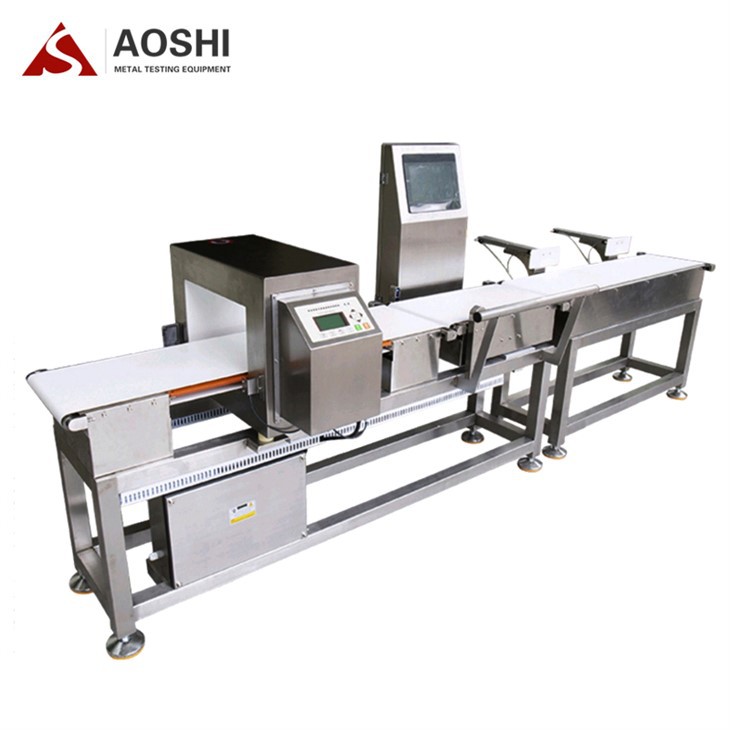
If you're in the market for a weighing detector, we offer a wide range of high-quality Dynamic Weighing Machine, Metal Detector Online Weighing Machine Combined Machine, and Pneumatic Multi-stage Weighing And Sorting Machine. Our weighing detectors are designed to meet the needs of various industries and applications, and we provide excellent customer service and support.
If you have any questions or would like to discuss your weighing detector needs, please don't hesitate to contact us. We're here to help you find the right weighing detector for your business and ensure that it's properly maintained.
References
- Manufacturer's user manuals for weighing detectors
- Industry standards and guidelines for weighing detector maintenance