

When it comes to the question of what age is suitable for a toy metal detector, there isn't a one - size - fits - all answer. It depends on a variety of factors, including the child's physical development, cognitive abilities, and safety awareness. As a toy metal detector supplier, I've had the opportunity to observe how different age groups interact with these fascinating devices, and I'd like to share some insights.

Toddlers (Ages 1 - 3)
Toddlers are in a stage of rapid exploration and discovery. Their motor skills are still developing, and they have a natural curiosity about the world around them. However, toy metal detectors may not be the best fit for this age group.
From a physical perspective, toddlers may struggle to hold and operate a metal detector properly. The device might be too heavy or cumbersome for their small hands, which could lead to frustration. Moreover, toddlers are at a stage where they tend to put objects in their mouths. If a metal detector has small parts or loose components, there is a significant choking hazard.
In terms of cognitive development, toddlers may not fully understand how a metal detector works. They lack the attention span to follow the process of searching for metals and may quickly lose interest. For these reasons, it's generally not advisable to introduce a toy metal detector to toddlers.
Preschoolers (Ages 3 - 5)
Preschoolers start to show more refined motor skills and a growing interest in cause - and - effect relationships. At this age, they may be ready for a simple, lightweight toy metal detector.
Many toy metal detectors designed for preschoolers are brightly colored and have large, easy - to - grip handles. These features make them more accessible for little hands. Preschoolers can begin to understand the basic concept that when the metal detector beeps, there is a metal object nearby. It can be a fun and educational experience for them to dig and find small metal items like coins or toy figurines.
However, safety remains a concern. Parents should closely supervise preschoolers while using a metal detector. They should also ensure that the digging tools provided with the metal detector set are safe and appropriate for this age group. Some sets come with plastic shovels that are blunt and won't cause injury.
Elementary School Children (Ages 6 - 12)
Elementary school children are ideal candidates for toy metal detectors. By this age, they have well - developed motor skills and the ability to understand more complex instructions. They are also in a phase where they are eager to learn about science and the world around them.
A toy metal detector can be a great way to introduce them to the concept of magnetism and metal detection. They can use it in various settings, such as parks, beaches, or even in their own backyards. This hands - on experience can enhance their observation skills and scientific thinking.
For older elementary school children, more advanced toy metal detectors with adjustable sensitivity and different search modes can be introduced. These features allow them to explore different types of metals and learn about the limitations of metal detection. Additionally, they can engage in group activities with their friends, comparing their findings and sharing the excitement of discovery.
Teens (Ages 13 - 18)
Teens may seem a bit too old for toy metal detectors at first glance, but there are still many benefits for this age group. For teens who are interested in history, archaeology, or outdoor activities, a high - quality toy metal detector can be a valuable tool.
They can use it to search for historical artifacts in old battlefields or to explore areas with a rich history. This can turn into a serious hobby for some teens, leading to a deeper understanding of local history and culture. Teens also have the patience and research skills to learn about the different types of metals and their historical significance.
Moreover, using a metal detector can be a great way for teens to get outdoors and away from screens. It provides an opportunity for physical activity and fresh air, which is beneficial for their overall well - being.
Safety Considerations for All Ages
Regardless of the age of the user, safety should always be a top priority. When purchasing a toy metal detector, look for products that meet safety standards. They should be made of non - toxic materials and have no sharp edges or small parts that could pose a choking hazard.
It's also important to teach users how to use the metal detector safely. This includes avoiding using it near power lines or in areas where there may be underground cables. In addition, if they are using a digging tool, they should be careful not to dig too deeply or in areas where they could damage underground pipes.
Our Product Range
As a toy metal detector supplier, we offer a wide range of products suitable for different age groups. Our preschool - friendly models are designed with safety and simplicity in mind. They are lightweight, colorful, and easy to operate.
For elementary school children and teens, we have more advanced models. These detectors come with features like adjustable sensitivity, different search modes, and high - quality headphones for better sound detection. We also provide accessories such as digging tools and storage bags to enhance the overall experience.
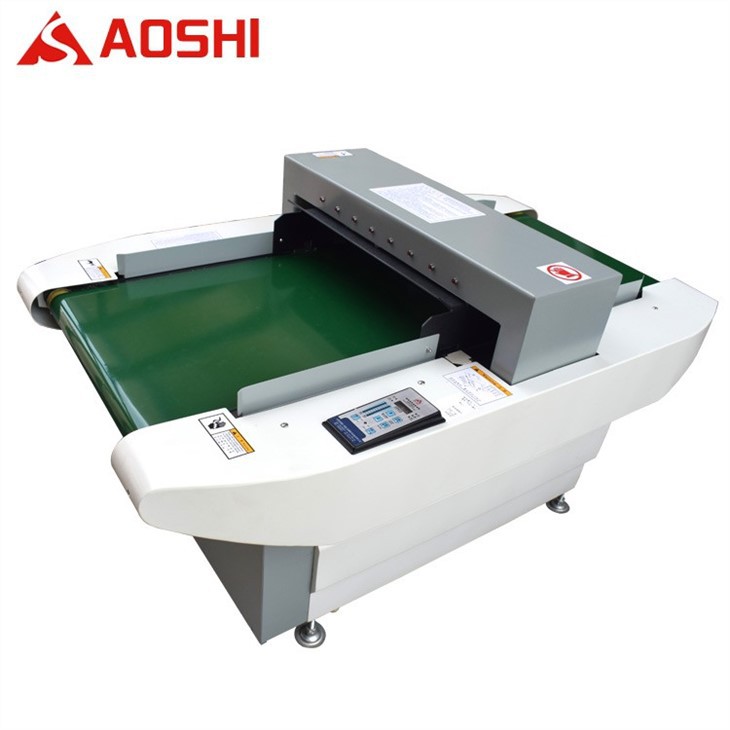
In addition to our toy metal detectors, we also offer related products such as Metal Needle Inspector, Wide Width Needle Inspection Machine, and High Gantry Needle Detector. These products are designed for more professional metal detection needs and can be used in industrial or commercial settings.
Conclusion
In conclusion, the suitable age for a toy metal detector varies depending on the child's development. Preschoolers can start with simple models, while elementary school children and teens can enjoy more advanced ones. Safety is crucial at all ages, and parents should always supervise young users.
If you're interested in purchasing toy metal detectors for your children, schools, or other institutions, we'd love to have a discussion with you. Whether you need a single unit or a bulk order, we can provide you with high - quality products at competitive prices. Contact us to start the procurement negotiation process and bring the fun of metal detection to your hands.
References
- Smith, J. (2018). Child Development: A Comprehensive Guide. Publisher X.
- Johnson, A. (2019). The Benefits of Outdoor Learning for Children. Journal of Educational Psychology, 25(3), 123 - 135.
- Brown, C. (2020). Safety Standards for Toy Products. Consumer Safety Magazine, 10(2), 45 - 52.