

Testing the performance of a metal needle detector is a crucial step to ensure its reliability and effectiveness in various industries, especially those where the presence of metal needles can pose significant risks, such as the textile, food, and pharmaceutical sectors. As a trusted Metal Needle Detector supplier, we understand the importance of accurate performance testing and are here to guide you through the process.
Understanding the Basics of Metal Needle Detectors
Before delving into the testing methods, it's essential to have a basic understanding of how metal needle detectors work. These devices typically use electromagnetic fields to detect the presence of metal objects. When a metal object, such as a needle, passes through the detector's detection zone, it disrupts the electromagnetic field, triggering an alarm or stopping the conveyor belt to prevent the contaminated product from proceeding further.
Factors Affecting the Performance of Metal Needle Detectors
Several factors can influence the performance of a metal needle detector, including:
- Type of Metal: Different metals have different magnetic and electrical properties, which can affect their detectability. Ferrous metals, such as iron and steel, are generally easier to detect than non-ferrous metals, such as aluminum and copper.
- Size and Shape of the Metal Object: Smaller and thinner metal objects are more difficult to detect than larger and thicker ones. The shape of the metal object can also affect its detectability, with irregularly shaped objects being more challenging to detect than regular ones.
- Product Characteristics: The composition, density, and moisture content of the product being inspected can also affect the performance of the metal needle detector. For example, products with high moisture content or conductive materials may interfere with the detector's electromagnetic field, reducing its sensitivity.
- Environmental Conditions: The operating environment of the metal needle detector can also have an impact on its performance. Factors such as temperature, humidity, and vibration can affect the stability of the detector's electromagnetic field and cause false alarms or missed detections.
Testing Methods for Metal Needle Detectors
To ensure the optimal performance of a metal needle detector, it's important to conduct regular performance tests using a variety of methods. Here are some common testing methods:
- Test Samples: Use standardized test samples that contain known sizes and types of metal objects to verify the detector's sensitivity. These test samples can be purchased from reputable suppliers or created in-house using appropriate materials.
- Sensitivity Adjustment: Adjust the sensitivity of the metal needle detector to the appropriate level based on the type of product being inspected and the size of the metal objects you want to detect. It's important to find the right balance between sensitivity and false alarms to ensure accurate and reliable detection.
- Functional Testing: Conduct functional tests to ensure that the metal needle detector is operating correctly and that all its components are working properly. This includes testing the alarm system, conveyor belt, and other features of the detector.
- Environmental Testing: Test the metal needle detector under different environmental conditions to ensure its stability and reliability. This includes testing the detector at different temperatures, humidity levels, and vibration conditions to simulate real-world operating environments.
Testing Procedures for Metal Needle Detectors
Here is a step-by-step guide to testing the performance of a metal needle detector:

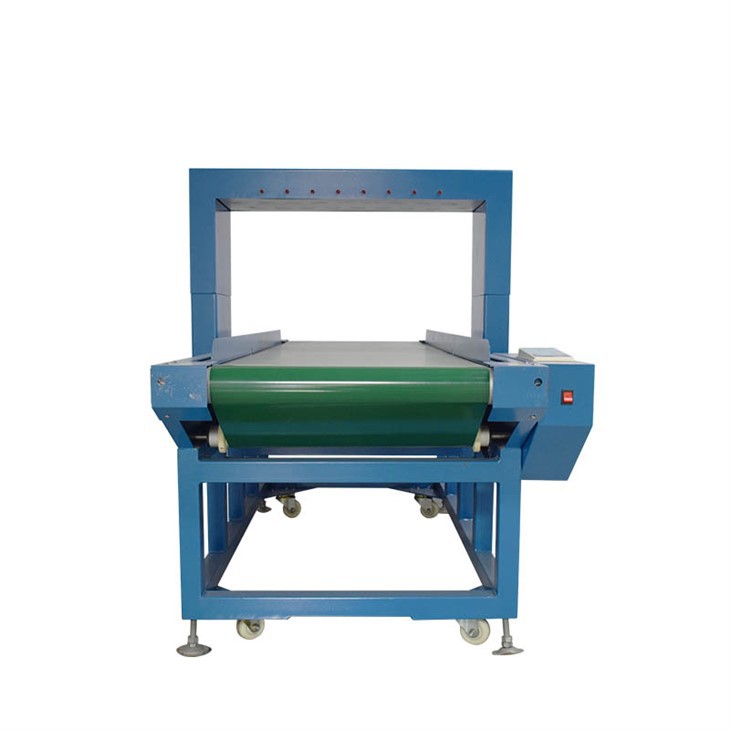
- Prepare the Test Samples: Select appropriate test samples that contain known sizes and types of metal objects. Make sure the test samples are clean and free from any contaminants that could affect the detector's performance.
- Calibrate the Detector: Follow the manufacturer's instructions to calibrate the metal needle detector before testing. This may involve adjusting the sensitivity, frequency, and other settings of the detector to ensure accurate and reliable detection.
- Conduct the Sensitivity Test: Pass the test samples through the detector's detection zone at a slow and steady speed. Observe the detector's response and record the results. If the detector fails to detect the metal object in the test sample, adjust the sensitivity settings and repeat the test until the detector can detect the metal object consistently.
- Perform the Functional Test: Test the detector's alarm system, conveyor belt, and other features to ensure they are working properly. This may involve triggering the alarm manually, checking the conveyor belt's speed and alignment, and verifying the operation of other components of the detector.
- Conduct the Environmental Test: Test the detector under different environmental conditions to ensure its stability and reliability. This may involve exposing the detector to different temperatures, humidity levels, and vibration conditions and monitoring its performance.
- Record and Analyze the Results: Record the results of the performance tests and analyze them to identify any issues or areas for improvement. If the detector fails to meet the required performance standards, take appropriate action to address the issue, such as adjusting the settings, replacing the components, or performing maintenance on the detector.
Importance of Regular Performance Testing
Regular performance testing of metal needle detectors is essential to ensure their reliability and effectiveness in detecting metal objects. By conducting regular tests, you can:
- Verify the Detector's Sensitivity: Performance testing allows you to verify the detector's sensitivity and ensure that it can detect metal objects of the desired size and type. This is important to prevent the release of contaminated products into the market, which can pose significant risks to consumers.
- Detect and Address Issues Early: Regular testing can help you detect and address any issues or problems with the metal needle detector early on, before they become more serious and costly to fix. This can help you avoid downtime, reduce maintenance costs, and improve the overall efficiency of your production process.
- Comply with Regulatory Requirements: Many industries are subject to strict regulatory requirements regarding the use of metal needle detectors. Regular performance testing is often required to demonstrate compliance with these requirements and ensure the safety and quality of your products.
- Maintain Customer Confidence: By regularly testing the performance of your metal needle detectors, you can demonstrate your commitment to quality and safety, which can help you maintain customer confidence and loyalty. This can be especially important in industries where the presence of metal objects can have serious consequences, such as the food and pharmaceutical sectors.
Conclusion
Testing the performance of a metal needle detector is a critical step to ensure its reliability and effectiveness in detecting metal objects. By understanding the factors that affect the detector's performance, using appropriate testing methods, and conducting regular performance tests, you can ensure that your metal needle detector is operating at its optimal level and providing the highest level of protection for your products and consumers.
As a leading Metal Needle Detector supplier, we offer a wide range of high-quality High Gantry Needle Detector, Metal Needle Inspector, and Long Strip Needle Inspection Machine to meet the diverse needs of our customers. Our detectors are designed to provide accurate and reliable detection of metal objects, even in challenging environments.
If you are interested in learning more about our metal needle detectors or would like to discuss your specific requirements, please feel free to contact us. Our team of experts will be happy to assist you and provide you with the information and support you need to make an informed decision.
References
- ASTM International. (20XX). Standard Test Method for Detecting Metal Contamination in Textiles. ASTM DXXXX-XX.
- Food and Drug Administration. (20XX). Guidance for Industry: Hazard Analysis and Risk-Based Preventive Controls for Human Food.
- International Electrotechnical Commission. (20XX). Safety of Machinery - Electrical Equipment of Machines - Part 32: Requirements for Metal Detectors. IEC 60204-32.