

Hey there! As a supplier of metal needle detectors, I often get asked about how to store these nifty devices properly. You see, a metal needle detector is a valuable piece of equipment, whether you're using it in a textile factory, a food processing plant, or any other industry where detecting metal needles is crucial. Storing it right can not only extend its lifespan but also ensure it works accurately when you need it. So, let's dive into some tips on how to store a metal needle detector the right way.
Clean It Thoroughly Before Storage
Before you even think about putting your metal needle detector away, you've got to give it a good clean. Over time, dust, dirt, and even small particles of the materials it's been detecting can build up on the detector. This can affect its performance and even cause damage in the long run.
Start by using a soft, dry cloth to wipe down the exterior of the detector. Make sure to get into all the nooks and crannies, especially around the sensors and any openings. If there are any stubborn stains or sticky residues, you can use a mild cleaning solution. Just make sure it's safe for the materials of the detector. Avoid using abrasive cleaners or rough sponges, as these can scratch the surface and damage the components.
For the interior, if possible, follow the manufacturer's instructions to access and clean the internal parts. Some detectors may have removable filters or other components that need to be cleaned regularly. Cleaning the interior helps prevent the buildup of debris that could interfere with the detector's operation.
Choose the Right Storage Location
The location where you store your metal needle detector is super important. You want to find a place that's dry, cool, and free from excessive dust and humidity. High humidity can cause corrosion on the metal parts of the detector, and dust can clog the sensors and other components.
A storage cabinet or a dedicated storage room is ideal. If you're using a cabinet, make sure it's well-ventilated to prevent the buildup of moisture. Avoid storing the detector in areas prone to flooding, like basements that may get water during heavy rains. Also, keep it away from direct sunlight, as prolonged exposure to sunlight can cause the plastic parts to fade and become brittle.
If you're storing the detector in a factory or a large facility, try to find a corner or an area that's not too busy. This will reduce the risk of the detector getting bumped or knocked over by workers or equipment.
Protect It from Physical Damage
Metal needle detectors are delicate pieces of equipment, and they can easily be damaged if they're not stored properly. To protect it from physical damage, you can use a protective cover. Many manufacturers offer custom-made covers for their detectors, which are designed to fit snugly and provide maximum protection.
If you don't have a cover, you can use a soft, padded cloth or a blanket to wrap the detector. Make sure to secure the wrapping tightly so that it doesn't come loose during storage. Also, avoid stacking other heavy objects on top of the detector, as this can cause it to bend or break.
When moving the detector to and from storage, handle it with care. Use two hands to lift it, and make sure to support it evenly. Avoid dropping or jolting the detector, as this can damage the internal components.
Check the Battery (if applicable)
If your metal needle detector is battery-powered, you need to pay special attention to the battery during storage. Leaving a battery in the detector for a long time can cause it to discharge completely, which can damage the battery and even the detector itself.
Before storing the detector, remove the battery if possible. Store the battery in a cool, dry place, and make sure it's fully charged. If the battery has been sitting for a long time, it's a good idea to recharge it periodically to keep it in good condition.
If you can't remove the battery, make sure to turn off the detector completely. Some detectors may have a small amount of power drain even when they're turned off, so it's still a good idea to check the battery periodically and recharge it if necessary.
Keep the Manual and Accessories Together
When you store your metal needle detector, it's a good idea to keep the user manual and any accessories together. The manual contains important information about the detector, including how to operate it, how to troubleshoot common problems, and how to perform maintenance. Having the manual handy can save you a lot of time and hassle if you need to refer to it later.
The accessories, such as extra sensors, cables, or calibration tools, are also important. Make sure to store them in a separate container or a pouch, and label it clearly. This will make it easier to find the accessories when you need them.
Regularly Inspect the Detector During Storage
Even if you've stored your metal needle detector properly, it's still a good idea to inspect it regularly. Check for any signs of damage, such as cracks, scratches, or loose parts. Look for any signs of corrosion or rust on the metal parts, and make sure the sensors are clean and functioning properly.
If you notice any problems during the inspection, don't try to fix them yourself unless you're qualified to do so. Contact the manufacturer or a professional technician for assistance. Regular inspections can help you catch any problems early and prevent them from getting worse.
Conclusion
Storing a metal needle detector properly is essential for its longevity and performance. By following these tips, you can ensure that your detector stays in good condition and is ready to use whenever you need it.
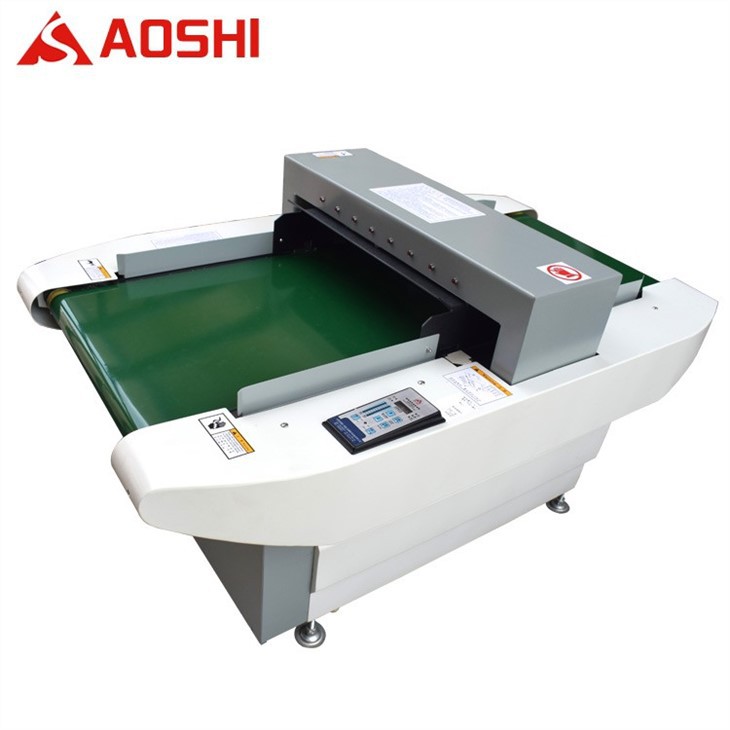

If you're in the market for a new metal needle detector, we've got a great range of products to choose from. Check out our Non Driving Non-woven Needle Detector, Metal Needle Inspector, and Wide Width Needle Inspection Machine. These detectors are high-quality, reliable, and designed to meet the needs of various industries.
If you have any questions or would like to discuss your specific requirements, feel free to reach out. We're here to help you find the perfect metal needle detector for your business.
References
- Manufacturer's instructions for metal needle detectors
- Industry best practices for equipment storage