

Hey there! As a supplier of garment needle detectors, I often get asked about how to install a conveyor belt on a garment needle detector. It's a crucial step that can affect the performance and efficiency of the detector, so I'm here to share some tips and guidelines on how to do it right.
Why a Conveyor Belt?
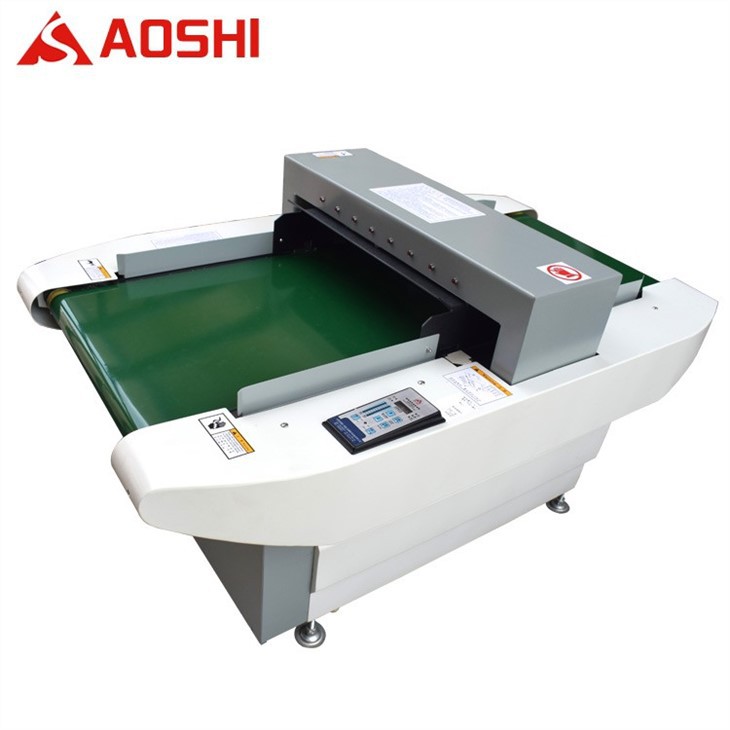
First off, let's talk about why a conveyor belt is so important for a garment needle detector. A conveyor belt allows for a continuous and automated inspection process. Instead of manually feeding each piece of clothing through the detector, the belt moves the garments smoothly and steadily, saving time and labor. It also ensures a consistent speed and position of the garments, which is essential for accurate needle detection.

Getting Prepared
Before you start the installation process, you need to make sure you have all the necessary tools and materials. Here's a quick checklist:
- Conveyor Belt: Make sure it's the right size and type for your garment needle detector. You can usually find this information in the detector's user manual.
- Screwdrivers and Wrenches: Different sizes may be needed to loosen and tighten bolts and screws.
- Measuring Tape: To ensure proper alignment and positioning of the conveyor belt.
- Safety Gear: Gloves and safety glasses are a must to protect yourself during the installation.
Step-by-Step Installation Guide
Step 1: Unpack and Inspect the Conveyor Belt
When you receive the conveyor belt, carefully unpack it and inspect it for any damage. Look for cuts, tears, or other defects that could affect its performance. If you find any issues, contact the supplier immediately for a replacement.
Step 2: Prepare the Garment Needle Detector
Before installing the conveyor belt, make sure the garment needle detector is clean and free of any debris. Check all the connections and ensure that the detector is properly powered off. You may also want to refer to the detector's user manual for any specific instructions on preparing it for conveyor belt installation.
Step 3: Position the Conveyor Belt
Place the conveyor belt near the garment needle detector and align it according to the manufacturer's instructions. Usually, there will be markings or guides on the detector to help you with the alignment. Use the measuring tape to ensure that the belt is centered and parallel to the detector.
Step 4: Attach the Conveyor Belt to the Detector
This is where the screwdrivers and wrenches come in handy. Follow the instructions provided with the conveyor belt to attach it to the detector. This may involve securing the belt to the rollers or frames using bolts and screws. Make sure all the connections are tight and secure to prevent the belt from slipping or coming loose during operation.
Step 5: Adjust the Tension of the Conveyor Belt
Proper tension is crucial for the smooth operation of the conveyor belt. If the belt is too loose, it may slip or sag, causing the garments to move unevenly. If it's too tight, it can put excessive strain on the motor and other components, leading to premature wear and tear. Use the tension adjustment mechanism on the conveyor belt to achieve the right tension. You can usually tell if the tension is correct if the belt moves smoothly without any excessive noise or vibration.
Step 6: Test the Conveyor Belt
Once the conveyor belt is installed and the tension is adjusted, it's time to test it. Power on the garment needle detector and start the conveyor belt. Place a few sample garments on the belt and observe how they move through the detector. Make sure the belt is running smoothly and that the garments are being inspected accurately. If you notice any issues, such as the belt slipping or the detector not detecting needles properly, stop the machine immediately and make the necessary adjustments.
Types of Garment Needle Detectors
There are different types of garment needle detectors available in the market, each with its own features and benefits. Here are a few popular ones:
- Metal Needle Inspector: This type of detector is designed to detect metal needles and other ferrous objects in garments. It's highly sensitive and can detect even the smallest needles.
- Non Driving Non-woven Needle Detector: Ideal for inspecting non-woven fabrics, this detector doesn't require a driving mechanism, making it more energy-efficient and easier to maintain.
- Double Probe Needle Detector: With two probes, this detector offers enhanced detection accuracy and can detect needles from different angles.
Maintenance Tips
To ensure the long-term performance of your conveyor belt and garment needle detector, regular maintenance is essential. Here are some tips:
- Clean the Conveyor Belt: Regularly clean the belt to remove any dirt, dust, or lint that may accumulate on it. This can help prevent the belt from slipping and ensure accurate needle detection.
- Lubricate Moving Parts: Check the conveyor belt's moving parts, such as the rollers and bearings, and lubricate them as recommended by the manufacturer. This can reduce friction and extend the lifespan of the components.
- Inspect the Belt Regularly: Look for signs of wear and tear, such as fraying or cracking, and replace the belt if necessary. It's also a good idea to check the tension of the belt periodically and adjust it as needed.
Conclusion
Installing a conveyor belt on a garment needle detector may seem like a daunting task, but with the right tools, materials, and instructions, it can be done easily and safely. By following the steps outlined in this blog post and performing regular maintenance, you can ensure that your conveyor belt and garment needle detector operate smoothly and efficiently, helping you to produce high-quality garments free of needles.
If you're interested in purchasing a garment needle detector or have any questions about the installation process, feel free to contact us. We're here to help you find the right solution for your needs and ensure a successful installation.
References
- User manuals of garment needle detectors and conveyor belts
- Industry best practices for conveyor belt installation and maintenance