

As a reputable metal alarm supplier, I understand the critical importance of ensuring that the metal alarms we provide meet the highest standards of quality and safety. One of the most effective ways to gauge the reliability of a metal alarm is by checking its certifications. In this blog post, I'll share some insights on how to check the certifications of a metal alarm, which will help you make an informed decision when purchasing such equipment.
Understanding the Significance of Certifications
Certifications serve as a testament to a metal alarm's compliance with specific industry standards and regulations. They indicate that the product has undergone rigorous testing and evaluation by independent third - party organizations. By obtaining these certifications, manufacturers demonstrate their commitment to producing high - quality, safe, and reliable products.
Types of Certifications for Metal Alarms
CE Certification
The CE (Conformité Européene) mark is a mandatory certification for products sold in the European Economic Area (EEA). It indicates that the metal alarm meets the essential health and safety requirements set out in the relevant EU directives. When checking for CE certification, you should look for the CE mark on the product or its packaging. You can also verify the authenticity of the CE mark by checking the manufacturer's documentation, which should include a Declaration of Conformity. This document provides details about the product, the applicable directives, and the testing procedures carried out.
UL Certification
Underwriters Laboratories (UL) is a well - known independent safety science company. UL certification means that the metal alarm has been tested and meets UL's safety standards. UL conducts comprehensive tests on various aspects of the product, such as electrical safety, fire resistance, and mechanical integrity. To verify UL certification, you can visit the UL website and search for the product using its model number. The UL database will provide information about the certification status and the specific standards the product complies with.
ISO Certification
The International Organization for Standardization (ISO) develops and publishes international standards for various industries. ISO 9001, for example, is a quality management system standard. A metal alarm manufacturer with ISO 9001 certification demonstrates that it has a well - defined quality management system in place, which helps ensure consistent product quality. ISO 14001 is related to environmental management, indicating that the manufacturer is committed to minimizing its environmental impact. You can verify ISO certifications by checking the official ISO website or contacting the certification body that issued the certificate.

Step - by - Step Guide to Checking Certifications
1. Request Documentation from the Supplier
As a first step, you should request all relevant certification documents from the metal alarm supplier. This may include copies of the CE Declaration of Conformity, UL certification reports, and ISO certificates. A reliable supplier will be happy to provide these documents and answer any questions you may have about them.
2. Examine the Certificates
Once you have the certificates, carefully examine them for authenticity. Check for the logo of the certification body, the certificate number, and the date of issue. Make sure that the product model and specifications on the certificate match the metal alarm you are considering purchasing. Look for any signs of tampering or forgery.
3. Verify with the Certification Body
If you have any doubts about the authenticity of the certifications, you can contact the certification body directly. Most certification bodies have online verification tools or customer service departments that can help you confirm the validity of a certificate. Provide them with the certificate number and other relevant information, and they will be able to tell you whether the certificate is genuine and if the product is still in compliance.

4. Check for Recalls or Non - Compliance Notices
It's also important to check if there have been any recalls or non - compliance notices related to the metal alarm. You can do this by visiting the websites of relevant regulatory authorities, such as the Consumer Product Safety Commission (CPSC) in the United States or the European Union's Rapid Alert System for Non - Food Products (RAPEX). These websites provide information about products that have been found to pose a risk to consumers.
Our Product Range and Certifications
At our company, we take pride in offering a wide range of metal alarms that are certified to meet the highest industry standards. Our Wide Width Needle Inspection Machine is designed for large - scale production lines. It has obtained CE and UL certifications, ensuring its safety and reliability in various working environments.

Our Metal Needle Inspector is a highly sensitive device that can detect even the smallest metal needles. It has been rigorously tested and complies with ISO 9001 quality management standards, guaranteeing consistent performance.
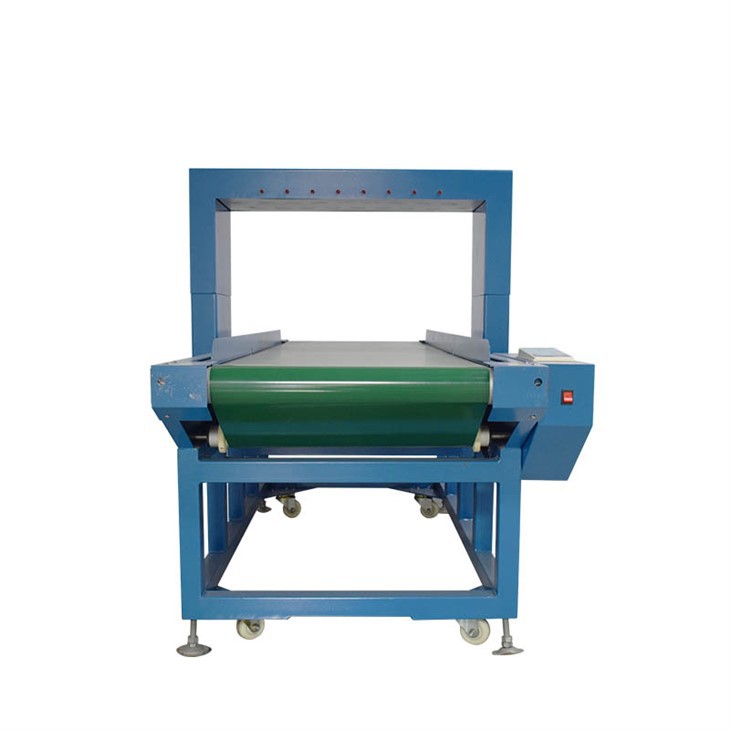
The High Gantry Needle Detector is another product in our portfolio. It is suitable for applications where high - clearance inspection is required. This product also holds multiple certifications, including CE and UL, which reflect our commitment to quality and safety.
Conclusion
Checking the certifications of a metal alarm is a crucial step in the purchasing process. It helps you ensure that the product you are buying is safe, reliable, and compliant with industry standards. By following the steps outlined in this blog post, you can make an informed decision and choose a metal alarm that meets your specific needs.
If you are interested in learning more about our certified metal alarms or would like to discuss your procurement requirements, we encourage you to reach out to us. Our team of experts is ready to assist you and provide you with the best solutions for your business.
References
- "Understanding CE Marking," European Commission.
- "UL Certification Overview," Underwriters Laboratories.
- "ISO Standards and Their Significance," International Organization for Standardization.