

Yo, what's up! I'm a supplier of handheld metal detectors, and today I wanna talk about how saltwater affects the performance of these nifty gadgets. As someone who's been in the handheld metal detector game for a while, I've seen firsthand how different environments can mess with these detectors' ability to do their job. And saltwater? It's one of the trickiest environments out there.
First things first, let's talk about how handheld metal detectors work. Most of these detectors use either a very low - frequency (VLF) or a pulse induction (PI) technology. VLF detectors are great for detecting small, shallow - buried metals. They send out a continuous stream of electromagnetic waves and measure the changes in the reflected waves when they hit a metal object. PI detectors, on the other hand, send out short bursts of electromagnetic energy. They're usually better at detecting metals deeper underground and in highly mineralized soils.
Now, saltwater is full of dissolved salts, mainly sodium chloride. These salts dissociate into ions (positively charged sodium ions and negatively charged chloride ions) in the water. When these ions are present, they can create their own electromagnetic fields. And that's where the problems start for our handheld metal detectors.
False Signals Galore
One of the biggest issues with using a handheld metal detector in saltwater is the increase in false signals. The electromagnetic fields created by the ions in the saltwater can mimic the signals that the detector gets from actual metal objects. So, instead of just getting a beep when there's a coin or a piece of jewelry, you might get a whole bunch of beeps from the saltwater itself. This can be super frustrating, especially if you're trying to find something specific.
For example, let's say you're at the beach looking for lost rings. With all the false signals from the saltwater, it can be really hard to tell if the beep you're hearing is from a valuable ring or just the salt in the water. It's like trying to find a needle in a haystack, but the haystack is constantly moving and making noise!
Reduced Sensitivity
Another problem is that saltwater can reduce the sensitivity of the handheld metal detector. The electromagnetic interference from the salt ions can make it harder for the detector to pick up on weak signals from small or deeply buried metal objects. So, even if there's a small piece of metal down there, the detector might not be able to detect it because the saltwater is drowning out the signal.
This reduced sensitivity can be a real bummer for treasure hunters. You might think you've searched an area thoroughly, but there could still be some hidden treasures that the detector just couldn't pick up because of the saltwater.
Corrosion and Damage
It's not just the performance of the detector that's affected. Saltwater is also extremely corrosive. If your handheld metal detector gets wet with saltwater and isn't properly cleaned and dried, the salt can eat away at the metal parts of the detector. This can lead to rust, which can damage the internal components and eventually make the detector stop working altogether.
The control box, the search coil, and the shaft of the detector are all at risk. Even if the detector is advertised as waterproof, the salt can still cause problems over time. So, it's really important to take good care of your detector if you're using it in saltwater.
What Can You Do?
So, if saltwater is such a pain for handheld metal detectors, what can you do about it? Well, there are a few things.
First, you can look for a detector that's specifically designed for use in saltwater. Some detectors have special features that help them deal with the electromagnetic interference from salt ions. For instance, they might have advanced filtering systems that can distinguish between the signals from metal objects and the signals from the saltwater.
Second, make sure you clean your detector thoroughly after each use in saltwater. Rinse it with fresh water and dry it completely. You can also use a corrosion - inhibiting spray to protect the metal parts.
Our Handheld Metal Detectors and Saltwater
As a supplier of handheld metal detectors, we understand the challenges that saltwater poses. That's why we offer a range of detectors that are built to handle these tough conditions. Our detectors are equipped with state - of - the - art technology that helps reduce false signals and maintain good sensitivity even in saltwater.
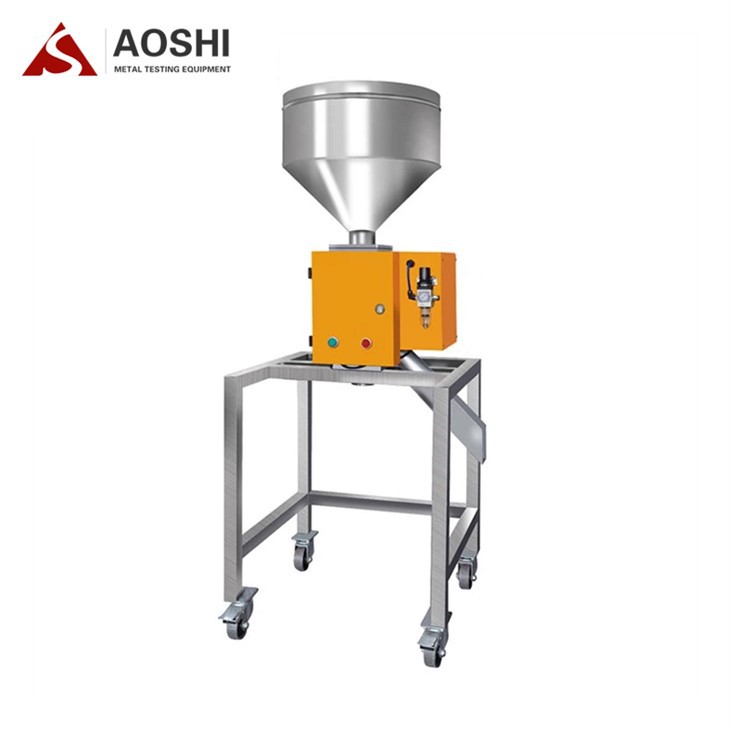
If you're in the market for a handheld metal detector for use in saltwater, we've got you covered. And we also offer other types of metal separators, like the Plastic Raw Material Metal Separator, Particle Metal Separator, and Particulate Metal Separator. These are great for industrial applications where you need to separate metal from other materials.

Wrapping It Up
In conclusion, saltwater can have a significant impact on the performance of a handheld metal detector. It can cause false signals, reduce sensitivity, and even damage the detector over time. But with the right detector and proper care, you can still have a great time using your handheld metal detector in saltwater environments.
If you're interested in learning more about our handheld metal detectors or have any questions about using them in saltwater, don't hesitate to reach out. We're here to help you find the perfect detector for your needs and give you all the tips and tricks for getting the most out of it. Whether you're a hobbyist treasure hunter or an industrial user, we've got the products and knowledge to support you. So, let's start this journey together and find those hidden treasures!
References
- "Metal Detecting Handbook" - A great resource for understanding how metal detectors work and the challenges they face in different environments.
- "The Science of Electromagnetic Fields in Water" - This academic paper delves into the effects of ions in water on electromagnetic fields.