

Do toy metal detectors make noise when they detect metal? Well, that's a question I get asked a lot as a supplier of toy metal detectors. In this blog, I'll dive into the science behind these nifty little gadgets and share some insights on how they work, whether they make noise, and why it matters.
Let's start with the basics. How do toy metal detectors actually work? At their core, these devices operate on the principle of electromagnetic induction. Inside the detector, there's a coil of wire that generates a magnetic field when an electric current flows through it. When this magnetic field comes into contact with a metal object, the metal creates its own magnetic field in response. This interaction disrupts the original magnetic field of the detector, and the device's circuitry detects this change.
Now, back to the question at hand: do they make noise? The short answer is yes, most toy metal detectors do make noise when they detect metal. But it's not just random noise; it's a carefully calibrated signal that alerts the user to the presence of metal. When the detector senses a change in the magnetic field caused by a metal object, it sends a signal to a speaker or buzzer, which then produces a sound. The type of sound can vary depending on the model of the detector. Some emit a continuous beep, while others produce a series of rapid beeps or a changing tone that gets louder or higher-pitched as the detector gets closer to the metal.
The reason for this audible feedback is simple: it makes the detecting process more interactive and fun, especially for kids. Imagine a child walking around with a toy metal detector, listening intently for that telltale beep. It adds an element of excitement and discovery, turning a simple walk in the park or a day at the beach into an adventure. And let's not forget the educational aspect. By using a toy metal detector, kids can learn about magnetism, conductivity, and how different metals respond to magnetic fields.
But not all toy metal detectors are created equal. Some are more sensitive than others, which means they can detect smaller or deeper buried metal objects. The sensitivity of a detector depends on several factors, including the strength of the magnetic field it generates, the quality of its circuitry, and the type of coil it uses. Higher-end models often have adjustable sensitivity settings, allowing users to fine-tune the detector based on the type of metal they're looking for and the environment they're in.

Another factor to consider is the type of metal the detector can detect. Most toy metal detectors are designed to detect ferrous metals, such as iron and steel, as well as non-ferrous metals like aluminum, copper, and brass. However, some detectors may be more effective at detecting certain types of metals than others. For example, a detector with a high-frequency coil may be better at detecting small, non-ferrous objects, while a low-frequency coil may be more suitable for detecting larger, ferrous metals.
As a supplier of toy metal detectors, I've seen firsthand the impact these devices can have on kids. They spark curiosity, encourage outdoor exploration, and provide a hands-on learning experience. And let's not forget the practical applications. Toy metal detectors can be used for a variety of activities, from treasure hunting in the backyard to finding lost keys or coins. They're also a great way to teach kids about safety, as they can be used to detect metal objects that may pose a hazard, such as nails or needles.
If you're in the market for a toy metal detector, there are a few things to keep in mind. First, consider the age and skill level of the user. Younger kids may prefer a simpler, more intuitive detector with basic features, while older kids or more experienced users may appreciate a more advanced model with additional functionality. Second, look for a detector that is durable and easy to use. It should be lightweight, comfortable to hold, and have a long battery life. Finally, consider the price. Toy metal detectors can range in price from a few dollars to several hundred dollars, depending on the features and quality.
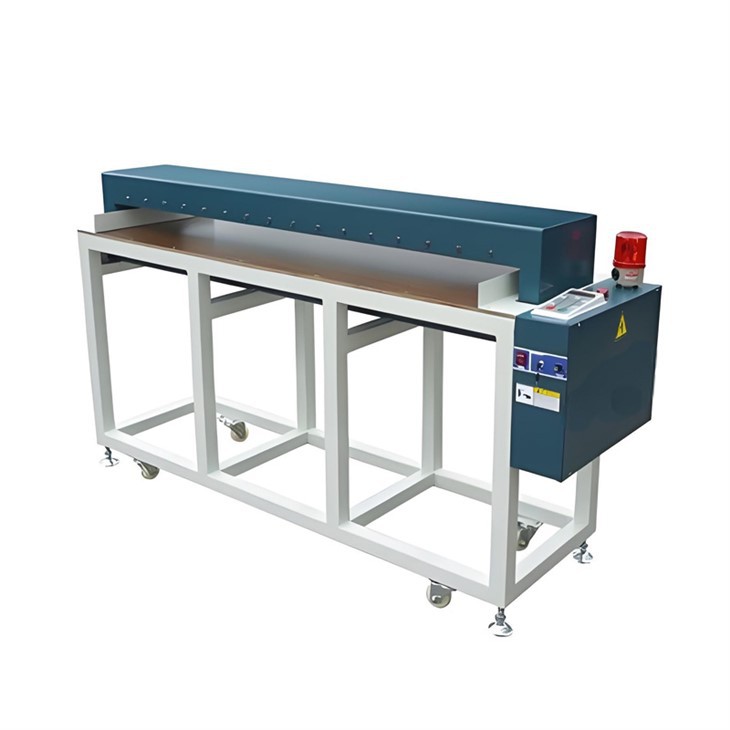
In addition to toy metal detectors, we also offer a range of other metal detection products, such as the Long Strip Needle Inspection Machine, the Non Driving Non-woven Needle Detector, and the Metal Needle Inspector. These industrial-grade machines are designed to detect metal needles and other small metal objects in a variety of materials, including textiles, plastics, and food products. They're essential tools for ensuring product safety and quality control in many industries.
If you're interested in learning more about our toy metal detectors or any of our other metal detection products, please don't hesitate to contact us. We're always happy to answer your questions and help you find the right product for your needs. Whether you're a parent looking for a fun and educational toy for your child or a business owner in need of a reliable metal detection solution, we've got you covered.
References
- "How Metal Detectors Work" - Science Buddies
- "The Physics of Metal Detection" - American Institute of Physics