

Can X-ray Fluoroscopy Detect Cysts?
As a provider of X-ray fluoroscopy equipment, I am frequently asked about the capabilities of our technology, especially when it comes to detecting cysts. Cysts are fluid - filled sacs that can form in various parts of the body, and their detection is crucial for proper diagnosis and treatment. In this blog post, I will explore the question of whether X - ray fluoroscopy can detect cysts and provide insights into the advantages and limitations of this imaging technique.
Understanding X - ray Fluoroscopy
X - ray fluoroscopy is a real - time imaging technique that uses X - rays to produce moving images of the internal structures of the body. It is similar to traditional X - rays, but instead of taking a single static image, fluoroscopy provides continuous images, allowing healthcare providers to observe the movement and function of organs and tissues. This makes it particularly useful for procedures such as guiding catheters, monitoring the flow of contrast agents, and assessing the movement of joints.
How Cysts Appear on X - rays
Cysts are generally composed of fluid, which has a relatively low density compared to surrounding tissues such as bone or muscle. On a standard X - ray, cysts may not be clearly visible because the difference in density between the cyst and the surrounding soft tissues is often minimal. However, in some cases, cysts can cause certain indirect signs that may be detectable on X - rays.
For example, if a cyst is located near a bone, it may cause pressure erosion on the bone surface. This can appear as a well - defined area of bone thinning or a small defect on the X - ray. In the case of larger cysts, they may displace surrounding structures, which can be visualized as a distortion of the normal anatomical relationships.
Detecting Cysts in Different Body Regions
1. Musculoskeletal System
In the musculoskeletal system, X - ray fluoroscopy can be used to detect cysts in bones and joints. For example, bone cysts, such as unicameral bone cysts or aneurysmal bone cysts, can sometimes be identified on X - rays. Unicameral bone cysts typically appear as a well - defined, radiolucent (dark) area within the bone, often located in the metaphysis of long bones. However, X - ray fluoroscopy may not provide a detailed view of the cyst's internal structure. To learn more about X - rays of the extremities, you can visit X - ray of Extremities.
When it comes to joint cysts, such as ganglion cysts, X - ray fluoroscopy may not be the most effective method for direct visualization. Ganglion cysts are usually soft - tissue masses, and their low - density fluid content makes them difficult to distinguish from the surrounding soft tissues on X - rays. However, X - ray fluoroscopy can be used to assess the joint's overall structure and look for any associated joint abnormalities that may be related to the cyst.
2. Abdominal and Pelvic Regions
In the abdominal and pelvic regions, detecting cysts using X - ray fluoroscopy alone is challenging. Cysts in organs such as the liver, kidneys, or ovaries are often difficult to visualize because they blend in with the surrounding soft tissues. However, if a contrast agent is used, it can sometimes highlight the presence of a cyst. For example, during a gastrointestinal fluoroscopy, the contrast agent can outline the shape of the digestive organs and may show a cyst if it is located in the path of the contrast flow.
Advantages of X - ray Fluoroscopy in Cyst Detection
One of the main advantages of X - ray fluoroscopy is its real - time imaging capability. This allows healthcare providers to observe the dynamic behavior of the cyst and the surrounding tissues. For example, during a fluoroscopic examination of a joint, the movement of the joint can be monitored to see if the cyst causes any mechanical interference or if it changes in size or shape with movement.
Another advantage is its relatively low cost and wide availability compared to other imaging modalities such as MRI or CT scans. This makes X - ray fluoroscopy a practical option for initial screening in many healthcare settings.
Limitations of X - ray Fluoroscopy in Cyst Detection
As mentioned earlier, the main limitation of X - ray fluoroscopy in cyst detection is its poor ability to distinguish between soft tissues. Cysts, being fluid - filled structures, often have a similar density to the surrounding soft tissues, making them difficult to visualize directly. In addition, X - ray fluoroscopy provides only a two - dimensional view of the body, which may not be sufficient to accurately determine the size, location, and relationship of the cyst to other structures.
Furthermore, X - ray fluoroscopy involves exposure to ionizing radiation. While the radiation dose is relatively low, repeated or prolonged exposure can pose a risk to the patient, especially in sensitive populations such as children and pregnant women.
Complementary Imaging Modalities
To overcome the limitations of X - ray fluoroscopy, other imaging modalities are often used in conjunction with it. For example, ultrasound is a non - invasive imaging technique that uses sound waves to create images of the internal organs. It is particularly useful for detecting cysts in the abdominal and pelvic regions, as it can clearly visualize the cyst's size, shape, and internal characteristics.
CT scans provide detailed cross - sectional images of the body, allowing for better visualization of cysts and their relationship to surrounding structures. MRI, on the other hand, uses magnetic fields and radio waves to produce high - resolution images, which are especially useful for soft - tissue imaging. It can provide detailed information about the cyst's composition and its impact on the surrounding tissues.
Our X - ray Fluoroscopy Equipment
As an X - ray fluoroscopy equipment provider, we offer a range of high - quality products designed to meet the diverse needs of healthcare facilities. Our Portable X - ray Machine is ideal for point - of - care imaging, allowing for flexible use in different clinical settings. It provides real - time imaging with excellent image quality, which can be valuable in the initial assessment of potential cysts.
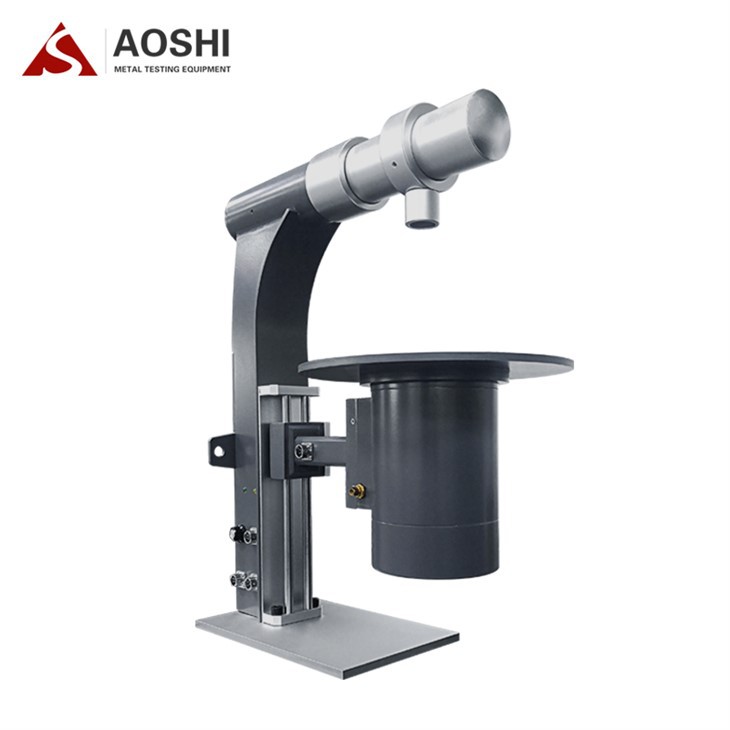

We also have Industrial X - ray Machine for non - medical applications, such as in the inspection of industrial products. These machines are built with advanced technology to ensure accurate and reliable imaging results.
Contact Us for Procurement
If you are interested in our X - ray fluoroscopy equipment for your healthcare facility or industrial needs, we encourage you to contact us for a detailed discussion. Our team of experts is ready to assist you in selecting the most suitable equipment based on your specific requirements. Whether you are looking for a portable solution for on - the - go imaging or a high - performance industrial machine, we have the products and knowledge to meet your needs.
References
- Bushong, S. C. (2012). Radiologic Science for Technologists: Physics, Biology, and Protection. Elsevier Health Sciences.
- Grainger, R. G., Allison, D. J., Adam, A., & Dixon, A. K. (2008). Grainger & Allison's Diagnostic Radiology: A Textbook of Medical Imaging. Churchill Livingstone.
- Swischuk, L. E. (2012). Emergency Imaging of the Acutely Ill or Injured Child. Lippincott Williams & Wilkins.