

As a dedicated supplier of toy needle detectors, I often encounter various inquiries from toy manufacturers and safety inspectors. One of the most frequently asked questions is: Can a toy needle detector detect needles in toys with different colors? This question not only reflects the concerns of the industry about product safety but also challenges our understanding of the working principles of needle detectors. In this blog post, I will delve into the technical aspects of needle detectors and explore their effectiveness in detecting needles in toys of various colors.
How Toy Needle Detectors Work
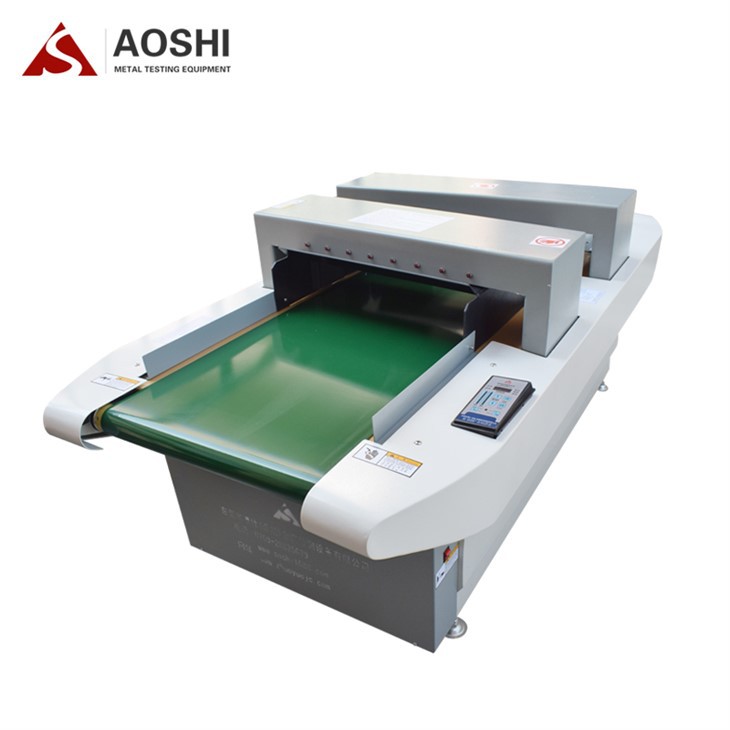
Before discussing the relationship between toy colors and needle detection, it is essential to understand how toy needle detectors function. Most toy needle detectors operate based on the principle of electromagnetic induction. When a metallic object, such as a needle, passes through the detection area of the needle detector, it disrupts the electromagnetic field generated by the detector. This disruption is then detected and converted into an alarm signal, indicating the presence of a metallic foreign object.
The key factors that affect the detection performance of a needle detector include the size, shape, and material of the metallic object, as well as the sensitivity and stability of the detector itself. The color of the toy, however, does not directly interfere with the electromagnetic field or the detection process. Therefore, in theory, a well - calibrated toy needle detector should be able to detect needles regardless of the color of the toy.
The Impact of Toy Materials and Structures
While the color of a toy does not directly affect needle detection, the materials and structures used in toy manufacturing can have a significant impact. Different toy materials, such as plastic, fabric, and wood, have different electrical and magnetic properties. For example, some plastic materials may contain conductive additives that can cause false alarms or reduce the detector's sensitivity. Fabrics with metallic threads or coatings can also interfere with the detection process.
In addition, the structure of the toy can affect the detection efficiency. Toys with complex shapes or multiple layers may make it more difficult for the needle detector to accurately detect needles. For instance, a needle hidden deep inside a stuffed toy or within a small cavity may be harder to detect than one on the surface.
Case Studies: Detecting Needles in Colored Toys
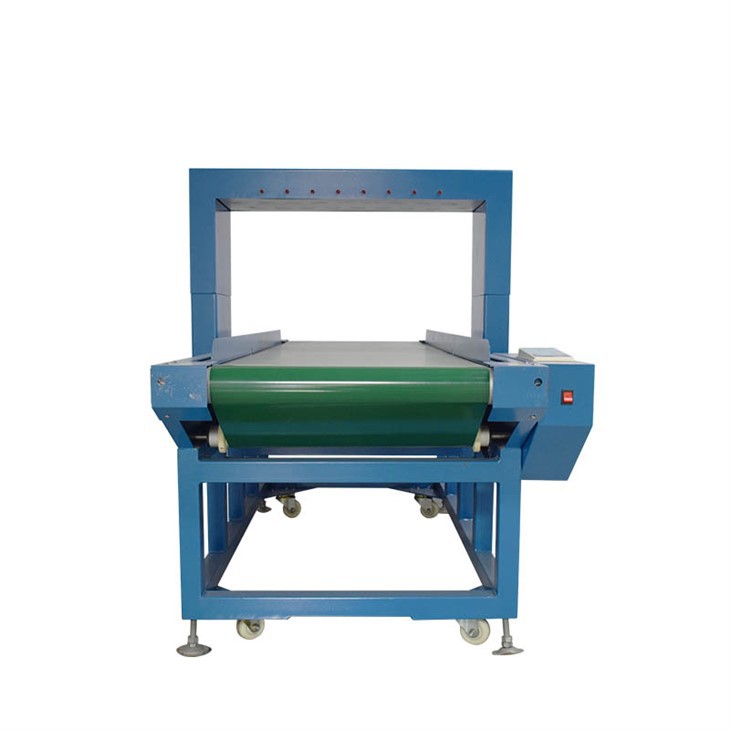
To illustrate the effectiveness of toy needle detectors in detecting needles in colored toys, let's look at some real - world case studies. A toy manufacturer that produces a wide range of colored plastic toys conducted a series of tests using our High Gantry Needle Detector. The tests involved inserting small needles into toys of different colors, including bright red, blue, and yellow. The results showed that the needle detector was able to detect the needles with a high degree of accuracy, regardless of the toy color.
Another case involved a company that manufactures plush toys. They used our Double Probe Needle Detector to inspect their products. Even though the plush toys came in various colors and patterns, the detector was able to identify needles hidden inside the toys. However, the company did note that the detection accuracy was slightly affected when the needles were located deep within the stuffing.
Improving Detection Performance
To ensure the highest level of detection performance, it is crucial to choose the right needle detector for your specific needs. Our company offers a variety of needle detectors, including the Wide Width Needle Inspection Machine, which is suitable for inspecting large - sized toys or products with wide widths.
In addition to selecting the appropriate detector, proper calibration and maintenance are also essential. Regular calibration can ensure that the detector maintains its sensitivity and accuracy over time. It is also important to keep the detector clean and free from dust and debris, as these can affect its performance.
Conclusion
In conclusion, the color of a toy does not significantly affect the ability of a toy needle detector to detect needles. The detection process is primarily based on electromagnetic induction, which is not influenced by the color of the toy. However, the materials and structures of the toy can have an impact on detection performance.
As a leading supplier of toy needle detectors, we are committed to providing high - quality products and solutions to ensure the safety of toys. Our needle detectors are designed to meet the strictest industry standards and can effectively detect needles in toys of various colors, materials, and structures.
If you are a toy manufacturer or safety inspector looking for reliable needle detection solutions, we invite you to contact us for a detailed discussion. Our team of experts will be happy to assist you in selecting the most suitable detector for your needs and provide you with professional technical support.
References
- "Electromagnetic Induction and Its Applications in Metal Detection", Journal of Applied Physics
- "Toy Safety Standards and the Role of Needle Detectors", International Journal of Toy Research
- "Case Studies in Toy Needle Detection", Toy Manufacturing Magazine