

Can a Metal Needle Inspector be used in medical device inspection?
Medical device inspection is a critical process that ensures the safety and efficacy of products used in healthcare settings. The presence of foreign objects, especially metal needles, in medical devices can pose significant risks to patients, including puncture wounds, infections, and other complications. As a supplier of Metal Needle Inspectors, I often receive inquiries about the suitability of our products for medical device inspection. In this blog post, I will explore the potential applications of Metal Needle Inspectors in medical device inspection and discuss the factors to consider when using these devices.
The Role of Metal Needle Inspectors in Medical Device Inspection
Metal Needle Inspectors are designed to detect the presence of metal needles or other ferrous and non - ferrous metal objects in various products. These devices use advanced electromagnetic or magnetic field technology to identify metal contaminants with high precision. In the context of medical device inspection, Metal Needle Inspectors can play a crucial role in ensuring product quality and patient safety.
Medical devices can be made from a wide range of materials, including plastics, rubber, and metals. During the manufacturing process, there is a risk of metal needles or fragments being introduced into the product. For example, in the production of syringes, catheters, or surgical instruments, metal needles may accidentally break or become detached and end up in the final product. A Metal Needle Inspector can quickly and accurately detect these metal contaminants, allowing manufacturers to take corrective actions before the products are released into the market.
Advantages of Using Metal Needle Inspectors in Medical Device Inspection
High Sensitivity
Metal Needle Inspectors are highly sensitive to the presence of metal objects, even those that are very small in size. This sensitivity is crucial in medical device inspection, as even a tiny metal fragment can cause serious harm to patients. Our Metal Needle Inspector can detect metal needles as small as a few millimeters in length, ensuring that no metal contaminants go undetected.
Non - Destructive Testing
One of the significant advantages of using Metal Needle Inspectors is that they provide non - destructive testing. Unlike some other inspection methods that may damage the medical device during the inspection process, Metal Needle Inspectors can detect metal contaminants without altering the integrity of the product. This means that manufacturers can inspect their products without having to worry about wasting valuable resources or producing defective items.
Real - Time Detection
Metal Needle Inspectors offer real - time detection capabilities, which means that they can immediately identify the presence of metal contaminants as the medical device passes through the inspection system. This allows manufacturers to quickly isolate and remove the contaminated products from the production line, reducing the risk of defective products reaching the market.
Versatility
Our Metal Needle Inspectors are versatile and can be used to inspect a wide variety of medical devices, regardless of their shape, size, or material. Whether it is a small syringe or a large surgical instrument, our Non Driving Non - woven Needle Detector and High Gantry Needle Detector can be customized to meet the specific inspection requirements of different medical devices.
Factors to Consider When Using Metal Needle Inspectors in Medical Device Inspection
Product Characteristics
The characteristics of the medical device being inspected, such as its size, shape, and material, can affect the performance of the Metal Needle Inspector. For example, some medical devices may have a high metal content in their normal composition, which can interfere with the detection of metal contaminants. In such cases, it is important to calibrate the Metal Needle Inspector properly to ensure accurate detection.
Regulatory Requirements
Medical device manufacturers are subject to strict regulatory requirements regarding product quality and safety. When using Metal Needle Inspectors for medical device inspection, it is essential to ensure that the inspection process complies with all relevant regulations. This may include obtaining appropriate certifications for the inspection equipment and following specific inspection procedures.
Environmental Conditions
The environmental conditions in which the Metal Needle Inspector is used can also impact its performance. Factors such as temperature, humidity, and electromagnetic interference can affect the accuracy of the detection. Therefore, it is important to place the Metal Needle Inspector in a stable environment and take appropriate measures to minimize the influence of environmental factors.
Case Studies: Successful Applications of Metal Needle Inspectors in Medical Device Inspection
Many medical device manufacturers have successfully implemented Metal Needle Inspectors in their production processes. For example, a leading syringe manufacturer was experiencing quality issues due to the presence of metal fragments in their products. After installing our Metal Needle Inspector, they were able to detect and remove the contaminated syringes before they were packaged and shipped. This not only improved the quality of their products but also enhanced their reputation in the market.
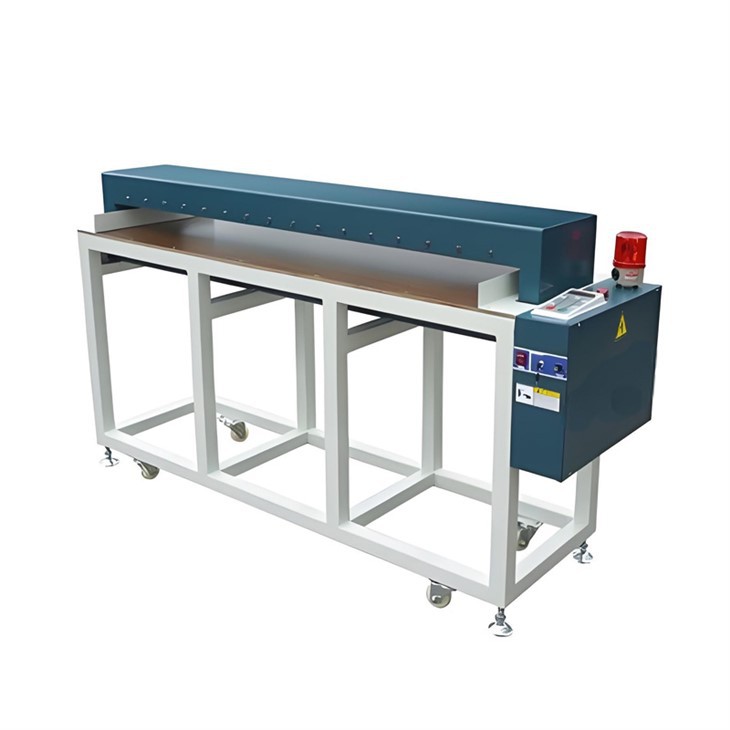

Another case involves a surgical instrument manufacturer. They were using our High Gantry Needle Detector to inspect their large - scale surgical instruments. The detector was able to accurately detect any metal contaminants, ensuring that their products met the high - quality standards required for surgical use.
Conclusion
In conclusion, Metal Needle Inspectors can be effectively used in medical device inspection to ensure product quality and patient safety. Their high sensitivity, non - destructive testing capabilities, real - time detection, and versatility make them an ideal choice for detecting metal contaminants in medical devices. However, it is important to consider the product characteristics, regulatory requirements, and environmental conditions when using these devices.
If you are a medical device manufacturer looking for a reliable solution for metal contaminant detection, our Metal Needle Inspectors can provide you with the high - quality inspection you need. We are committed to helping you meet the strict quality and safety standards in the medical device industry. Contact us today to discuss your specific inspection requirements and explore how our Metal Needle Inspectors can benefit your production process.
References
- ASTM International. (Year). Standard test methods for non - destructive testing of medical devices.
- Food and Drug Administration (FDA). (Year). Guidelines for medical device manufacturing and quality control.
- ISO standards related to medical device quality management systems.